
As the core control component in hydraulic system, servo valve is widely used in industrial automation, aerospace, construction machinery and other fields. Its main function is to convert tiny electrical signals into high-precision hydraulic output, so as to realize accurate control of the speed, position and force of the actuator. Therefore, improving the efficiency of the servo valve not only helps to improve the response speed and control accuracy of the system, but also reduces energy consumption and prolongs the service life of the equipment.
To improve the efficiency of the servo valve, we can start from the following aspects:
First, optimize the structural design
The internal structure of servo valve is complex, including key components such as pilot stage, main spool, spring, electromagnetic coil and so on. By adopting advanced fluid mechanics simulation technology (such as CFD), the internal flow passage of the valve can be optimized, which can effectively reduce the hydraulic loss and improve the flow gain and response speed. In addition, the selection of lightweight and high-strength materials to manufacture the valve core can reduce the inertia of the moving parts, thus speeding up the dynamic response.
Second, improve the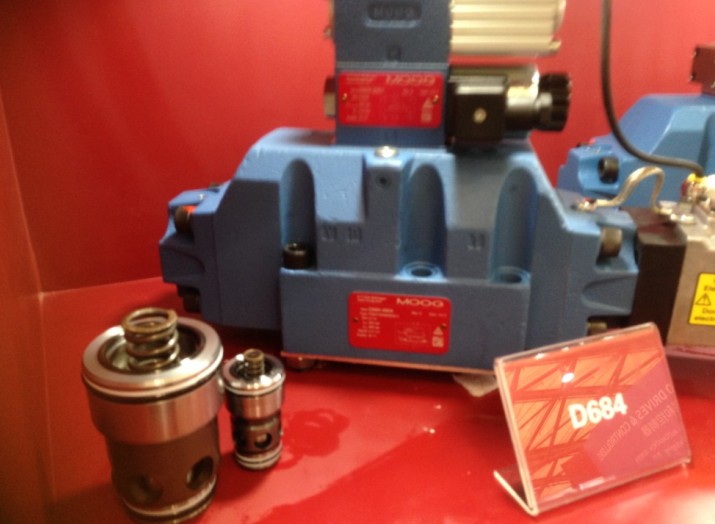 control
 accuracy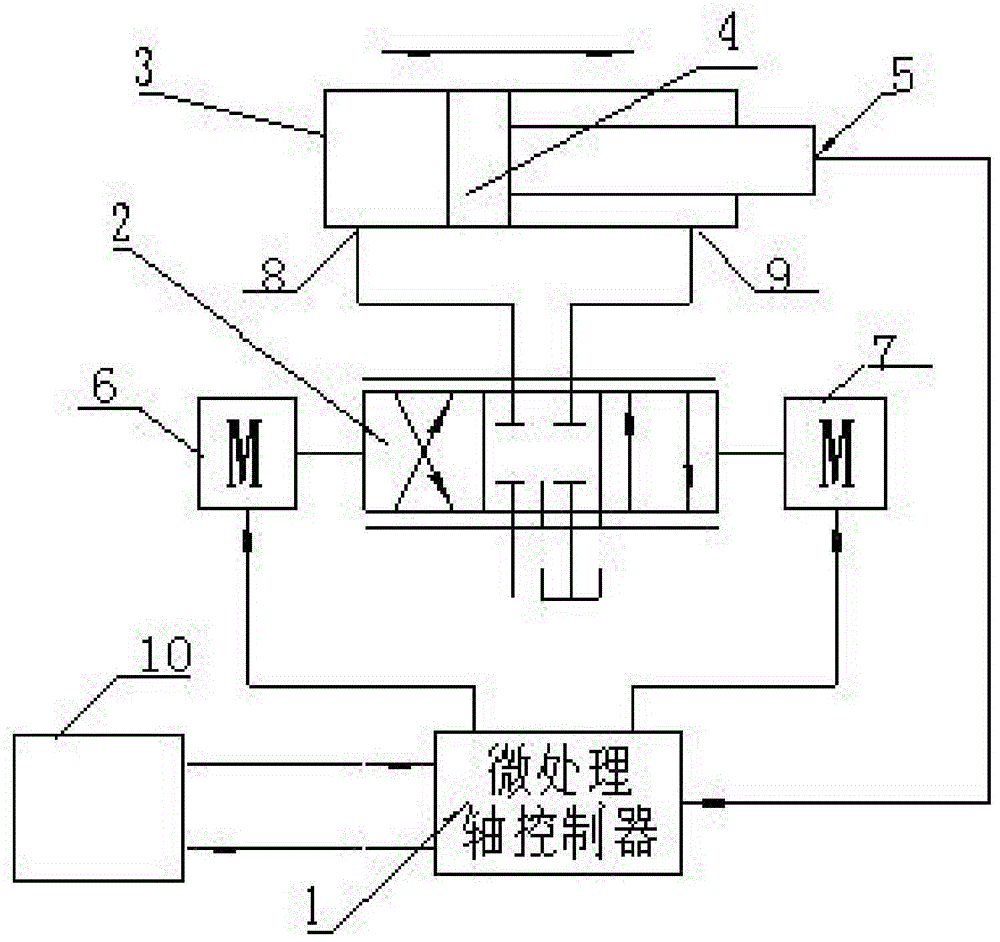
The control precision of servo valve directly affects its efficiency. The closed-loop control technology is widely used in modern servo valves, and the output signal is monitored in real time by feedback device, and compared with the set value, so as to adjust the input signal. The introduction of advanced PID control algorithm or intelligent control methods such as fuzzy control and neural network can significantly improve the adaptive ability and control accuracy of the system, thus improving the overall efficiency.
Third, improve the quality of hydraulic oil
The cleanliness, viscosity and temperature of hydraulic oil have an important influence on the working efficiency of servo valve. The use of high-quality hydraulic oil with excellent wear resistance and regular replacement and filtration can reduce the wear and leakage in the valve and maintain the sensitivity and stability of the valve core action. In addition, maintaining an appropriate oil temperature range (usually 30~60℃) is also helpful to ensure the normal and efficient operation of the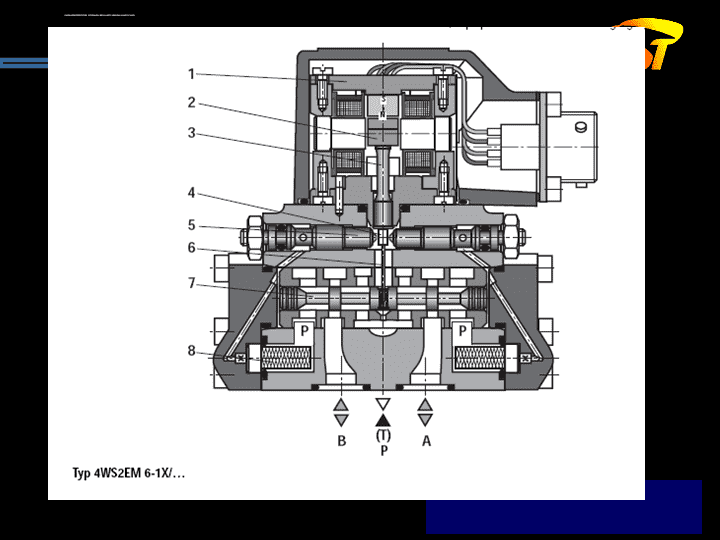 servo valve.
Fourth, strengthen system matching and maintenance management
In the design stage of hydraulic system, the model and parameters of servo valve should be reasonably selected according to the actual working conditions to ensure its good matching with pumps, actuators and other components. During operation, check the working state of the servo valve regularly, clear the blockage and replace the aging seal in time to prevent the efficiency from decreasing due to component failure.
To sum up, improving the efficiency of servo valve is a systematic project, which needs comprehensive measures from structural optimization, control strategy improvement, hydraulic oil management and system maintenance. Only by constantly optimizing the design and use environment can we give full play to the efficient performance of servo valve in modern hydraulic control system and provide strong support for the improvement of industrial automation level.