
Hydraulic system is a system that transfers energy through liquid to realize mechanical work, which is widely used in construction machinery, aerospace, automobile manufacturing, marine equipment and other fields. Its core principle is to use the incompressible characteristics of liquid to convert pressure energy into mechanical energy, thus driving various actuators to complete specific actions. A complete hydraulic system usually consists of five basic components: power component, executive component, control component, auxiliary component and working medium (hydraulic oil).
I. Power components
Power element is the “heart” of the whole hydraulic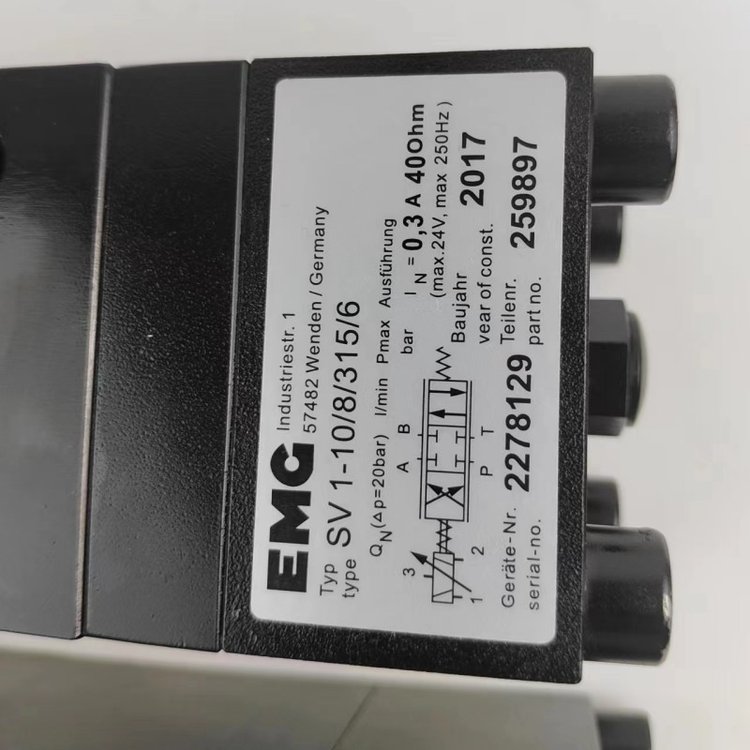 system, and its main function is to convert mechanical energy into pressure energy of liquid. The most common power component is the hydraulic pump, which sucks the hydraulic oil in the oil tank and outputs it under pressure through the drive of the motor or internal combustion engine, providing a continuous high-pressure oil source for the system. The types of hydraulic pumps include gear pumps, vane pumps, piston pumps, etc. Different types of pumps are suitable for different working occasions and pressure requirements.
Second, the executive component
The executive component is a component that directly completes the task. It converts the pressure energy of liquid into mechanical energy again to drive the equipment to move. Common actuators are hydraulic cylinders and hydraulic motors. Hydraulic cylinders are used to realize linear reciprocating motion and are widely used in excavators, cranes and other equipment. Hydraulic motor is used to generate rotary motion, which is widely used in the walking and slewing system of construction machinery.
Third, the control element
The control element is the “brain” of the hydraulic system, which is used to adjust and control the pressure, flow and direction of the liquid, so as to realize the accurate control of the action of the actuator. Common control components include overflow valve, throttle valve, reversing valve, etc. For example, the overflow valve can limit the maximum pressure of the system and prevent the equipment from being damaged due to overload; The reversing valve can control the direction of liquid flow, and then control the movement direction of hydraulic cylinder or hydraulic motor.
Fourth, auxiliary components
Although the auxiliary components are not directly involved in the energy conversion process, they play an important supporting role in the normal operation of the system. It mainly includes oil tank, oil filter, pipeline, joint, accumulator and cooler, etc. Among them, the oil tank is used to store and radiate hydraulic oil, and the oil filter can remove impurities in the oil to ensure the system is clean; The accumulator can store energy when the system pressure is high and release it when necessary.
V. Working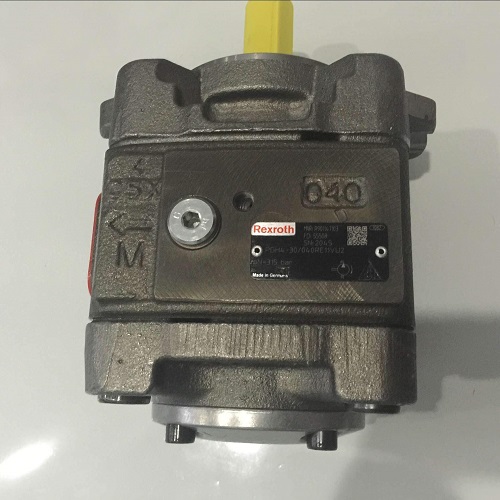 medium-hydraulic oil
As the “blood” of the hydraulic system, hydraulic oil not only plays the role of transmitting energy, but also has many functions such as lubrication, cooling, rust prevention and sealing. Choosing the right hydraulic oil is very important to ensure the system efficiency and prolong the service life. Hydraulic oil should have good viscosity-temperature characteristics, oxidation resistance and wear resistance.
To sum up, the hydraulic system is coordinated by multiple functional components to jointly complete energy conversion and transmission. In practical application, according to different working conditions, the structure and component configuration of hydraulic system can be flexibly adjusted to meet diverse engineering requirements. With the development of science and technology, the modern hydraulic system is progressing in the direction of high efficiency, energy saving and intelligence, which provides strong support for the performance improvement of various mechanical equipment.