
Basic composition of one-stage and two-stage servo valves
A two-stage servo valve usually consists of a pilot stage and a main stage. The pilot stage is responsible for receiving control signals and converting them into hydraulic signals to drive the main stage valve core to act; The main stage is responsible for controlling the large flow of hydraulic oil and driving the actuator. The linkage between them is realized by hydraulic pressure or mechanical connection, so as to realize closed-loop control of the whole hydraulic system.
Second, the working principle of two-stage servo valve
1. Electrical signal input: The control system sends the control signal (usually voltage or current) to the servo amplifier, and drives the pilot valve core after amplification.
2. Response of the pilot stage: The pilot stage changes the opening of its internal throttle according to the input signal, thus changing the pressure of the pilot chamber.
3. Hydraulic linkage: As the pressure at both ends of the main spool changes, the main spool is pushed to change the opening of the main stage valve port.
4. Flow control output: the change of the opening of the main valve port directly controls the flow of hydraulic oil through the valve body, thus controlling the movement direction, speed and torque of the actuator.
5. Feedback mechanism: Most two-stage servo valves are equipped with position or pressure feedback devices, which feed back the actual output to the controller to form closed-loop control and improve the stability and accuracy of the system.
Advantages of three-stage and two-stage servo valve linkage
-Fast response: The two-stage structure enables the pilot stage to quickly respond to small signals, while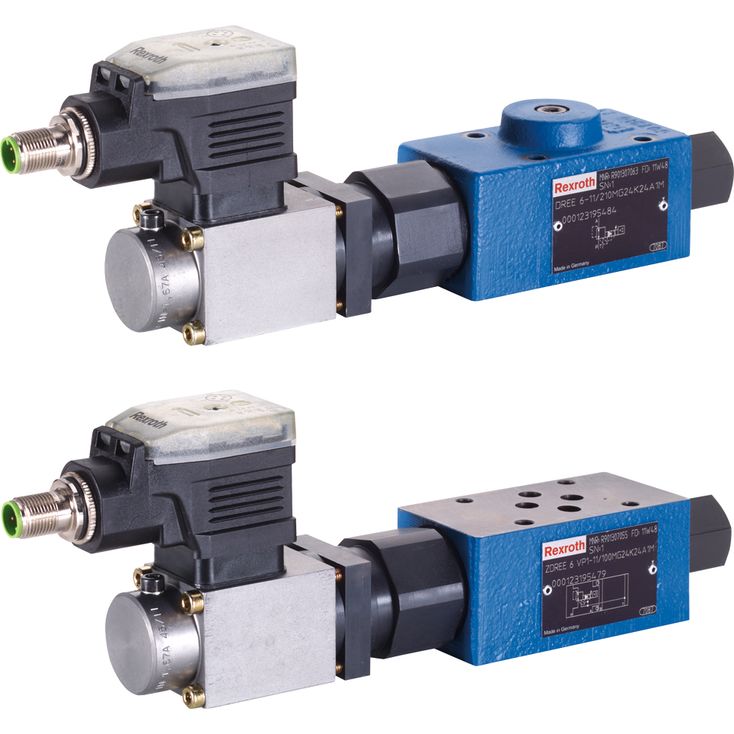 the main stage can handle large flow, giving consideration to speed and power.
-High control precision: the closed-loop feedback mechanism can realize high-precision control of the actuator.
-Strong anti-interference ability: due to pressure or position feedback, it can keep stable output under load change or external interference.
-Wide application range: widely used in high-precision occasions such as flight control systems, CNC machine tools, robots and test beds.
IV. Typical application cases
In the flight control system of aircraft, the two-stage servo valve is used to drive the rudder surface (such as rudder and elevator), and its linkage characteristics determine the attitude adjustment accuracy and response speed of the aircraft. In industrial automation, such as the hydraulic system of injection molding machine or rolling mill, the two-stage servo valve realizes accurate control of pressure and position through linkage, which improves product quality and production efficiency.
V. Summary
Through the linkage between the pilot stage and the main stage, the two-stage servo valve realizes the efficient conversion and accurate control from electric signal to hydraulic output. This linkage mechanism not only improves the response speed and stability of the system, but also meets the urgent demand of modern hydraulic system for high precision and high dynamic performance. With the continuous progress of control technology and hydraulic components, two-stage servo valve will play an important role in more high-precision fields.