
Hydraulic system is widely used in modern industrial equipment, whether it is construction machinery, agricultural machinery, aerospace, shipbuilding and other fields, it is inseparable from the support of hydraulic system. As the core working medium in the hydraulic system, the performance of hydraulic oil directly affects the operating efficiency, stability and service life of the system. Therefore, the correct selection of hydraulic oil is of great significance for ensuring the normal operation of equipment and prolonging its service life.
First, understand the working conditions of hydraulic system
The first step in selecting hydraulic oil is to know the operating environment and working conditions of the equipment. Including the working temperature range, pressure grade, running speed, load and whether there is the possibility of water or pollutants contact. For example, hydraulic oil with good oxidation resistance and high viscosity should be selected in high temperature environment; In low temperature environment, oil products with good low temperature fluidity should be selected to ensure the lubrication effect at start-up.
Second, according to the type of hydraulic pump selection
Hydraulic pump is the heart of hydraulic system, and different types of hydraulic pumps have different requirements for hydraulic oil. Common hydraulic pumps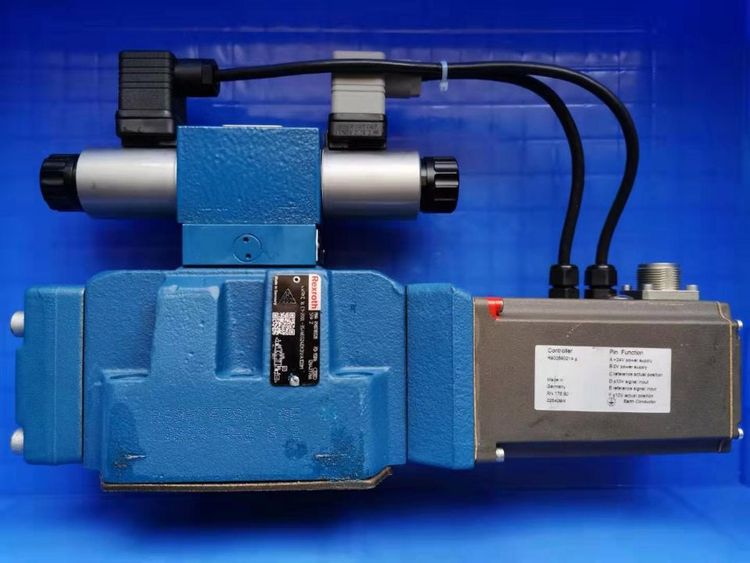 are gear pump, vane pump and plunger pump:
-Gear pump: The requirements for the wear resistance of oil products are relatively low, and HL or HM hydraulic oil is generally selected.
-Vane pump: It requires high anti-wear performance of oil products, and HM anti-wear hydraulic oil should be selected.
-Piston pump: The cleanliness and wear resistance of oil products are the highest, and HV or HS hydraulic oil with HM or higher level is recommended.
Third, pay attention to the basic performance indicators of hydraulic oil
When selecting hydraulic oil, we should also pay attention to its basic performance indicators, mainly including:
-Viscosity: Proper viscosity can ensure good lubrication and sealing performance of the system. Usually,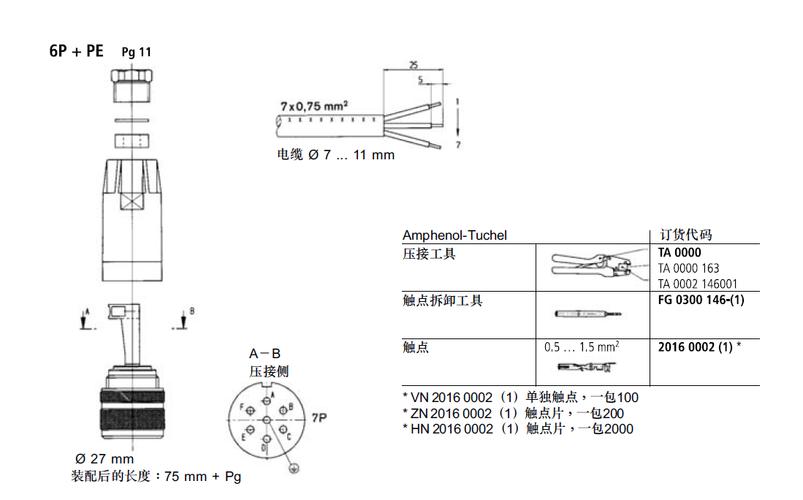 it is selected according to the ISO viscosity grade recommended by the equipment manufacturer (such as ISO 32, ISO 46 and ISO 68).
-Viscosity index: reflects the stability of oil viscosity with temperature change. The higher the index, the better.
-Oxidation stability: under long-term high-temperature operation, the oil is not easy to be oxidized and deteriorated.
-Rust prevention and corrosion resistance: prevent metal parts from being corroded by moisture or oxygen in the air.
-Anti-emulsification and hydrolytic stability: prevent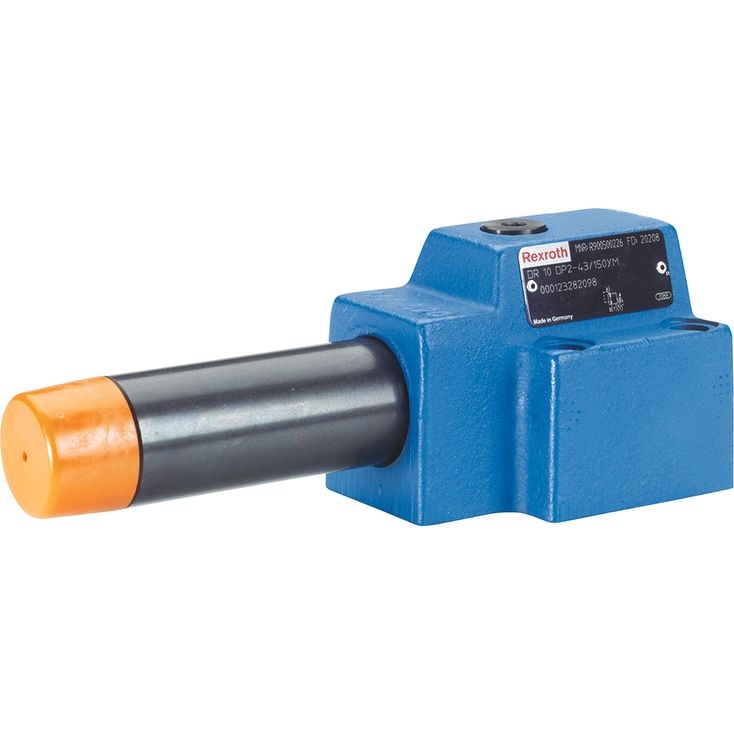 oil from forming emulsion after mixing with water, which will affect the lubrication effect.
Fourth, consider the requirements of environmental protection and energy saving
With the increasingly strict environmental protection laws and regulations, more and more equipment began to use biodegradable hydraulic oil, especially in ecologically sensitive areas such as forests and waters. In addition, energy-saving hydraulic oil can also effectively reduce energy consumption and improve system efficiency.
V. Refer to the recommendation of the equipment manufacturer.
The most direct and effective method is to consult the instruction manual of the equipment and select hydraulic oil according to the model and specification recommended by the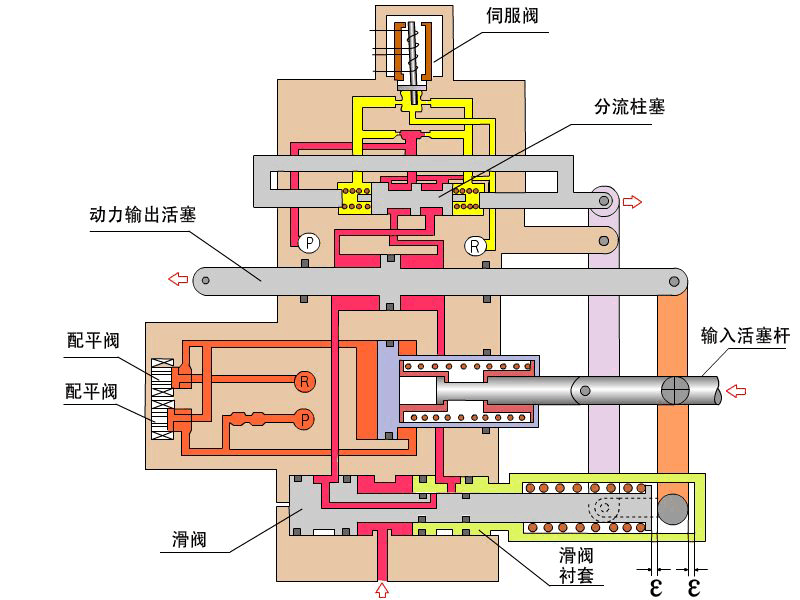 manufacturer. This can guarantee the equipment performance and warranty rights to the greatest extent.
tag
To sum up, selecting the appropriate hydraulic oil is a highly technical job, which needs to comprehensively consider many factors such as system working conditions, component types, environmental conditions and environmental protection requirements. Only scientific and reasonable selection of hydraulic oil can ensure the efficient, stable and safe operation of the hydraulic system, thus improving the overall performance and service life of the equipment.