
In hydraulic system, servo valve is the key element to control the motion accuracy of actuator, and its performance directly affects the response speed and control accuracy of the system. In the low-pressure servo system, the pressure drop control of servo valve is particularly important because of the low working pressure. Excessive pressure drop will not only affect the dynamic response of the system, but also lead to unstable control, increased energy consumption and hysteresis of the actuator. Therefore, how to effectively control the pressure drop of low-pressure servo valve has become an important topic in the design and maintenance of hydraulic system.
1. Influencing factors of pressure drop of low-pressure servo valve
First of all, understanding the causes of pressure drop is helpful to formulate corresponding control strategies. The pressure drop of servo valve is mainly affected by the following factors:
1. Valve port opening and flow matching: the servo valve adjusts the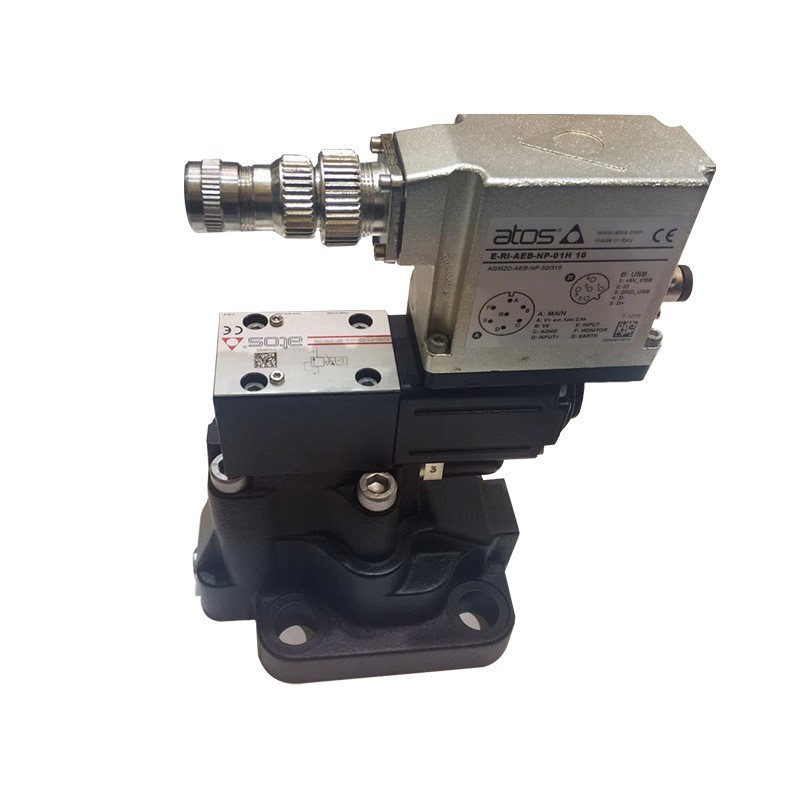 fluid flow through the valve port opening. If the valve port is too small or does not match the system flow demand, it will lead to a large pressure drop.
2. Oil viscosity and temperature: high oil viscosity will increase the flow resistance, which will lead to an increase in pressure drop; And the temperature change will directly affect the oil viscosity.
3. Pipeline design and connection: Too small pipe diameter, too many elbows or unreasonable connection will cause local pressure loss.
4. Load change: When the load of the actuator changes frequently, the servo valve needs to be constantly adjusted, resulting in pressure drop fluctuation.
Second, the main measures to reduce the pressure drop
In order to effectively control the pressure drop of the low-pressure servo valve, we can start from the following aspects:
1. Optimize servo valve selection and parameter setting.
Select the servo valve suitable for the working pressure range of the system, and set the opening characteristics of the valve core reasonably according to the actual load and flow demand. Servo valves with low starting force and high responsiveness should be preferred in low-pressure systems.
2. Improve the structural design of hydraulic system.
The short and straight pipeline connection is adopted to reduce unnecessary elbows and joints and avoid local pressure loss. At the same time, increasing the diameter of the pipeline properly will help to reduce the flow velocity, thus reducing the pressure drop.
3. Use low viscosity hydraulic oil or temperature control system.
On the premise of ensuring lubrication performance, low viscosity hydraulic oil is selected, and a cooling system is equipped to keep the oil temperature stable, so as to control the pressure drop caused by viscosity change.
4. Introduce pressure compensation technology.
Adding a pressure compensator or adopting a servo valve with pressure drop compensation function in the system can automatically adjust the pressure when the load changes and maintain the stability of the system.
5. Implement closed-loop control and intelligent adjustment.
Using modern control technology, such as PID control or fuzzy control, the servo valve is controlled by closed-loop feedback to realize real-time monitoring and dynamic adjustment of pressure drop.
Iii. Matters needing attention in practical application
In actual operation, it is also necessary to check the working state of the servo valve regularly, clean up the blocked or worn parts in time, and prevent abnormal pressure drop caused by stuck or leaked valve core. At the same time, the operation monitoring mechanism of the system is established to record and analyze the pressure drop data, which provides a basis for subsequent optimization.
IV. Conclusion
In a word, the pressure drop control of low-pressure servo valve is an important link to improve the efficiency and stability of hydraulic system. Through the optimization of system design, scientific selection of equipment selection and meticulous management during operation, the pressure drop can be effectively controlled, and then the performance of the whole hydraulic system can be improved. In the future, with the development of intelligence and automation technology, the control of servo valve pressure drop will be more accurate and efficient.