
Specific Basis for the Classification of Pressure Class of Mechanical Valves
Mechanical valves play a crucial role in industrial production, and their working performance and safety directly relate to the safety and stability of the production process. In industry, the selection of valves usually depends on factors such as working pressure, temperature, medium characteristics, and so on. The classification of pressure class for mechanical valves is determined based on their ability to withstand pressure in the working environment. It not only reflects the level of design and manufacturing of the valve but also shows its safety and reliability. This article will discuss the definition of pressure class, the basis for classification, and its impact on valve selection.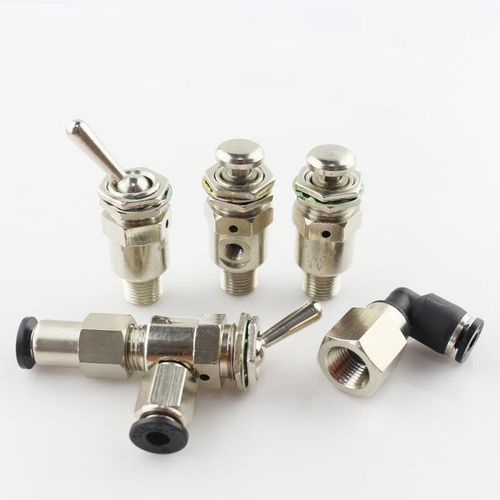
Definition of Pressure Class
The pressure class refers to the maximum pressure that the valve can withstand under specific working conditions. Generally, the pressure class of valves is divided into PN1.6, PN2.5, PN4.0, PN6.4, PN10, PN16, PN25, PN40, PN63, and so on. The classification of pressure class is determined based on the pressure that the valve can withstand during the design, manufacturing, and use process. The higher the pressure class, the greater the pressure that the valve can withstand, and the corresponding improvement in its sealing performance, fatigue resistance, and corrosion resistance.
II. The Basis for the Division of Pressure Classes
Material and Design
The performance of the valve material directly affects the division of pressure classes. The material of the valve is generally carbon steel, alloy steel, stainless steel, etc. The strength and toughness of the material determine the pressure that the valve can withstand. At the same time, the design of the valve also determines its pressure class. During the design, engineers will allocate the stress of the valve reasonably according to the structure, sealing method, and working medium of the valve, thereby determining the pressure class of the valve.
Sealing Performance
The sealing performance of the valve is an important basis for the division of pressure classes. The sealing performance of the valve is usually realized through static sealing and dynamic sealing. Static sealing is realized through fillers, gaskets, sealing rings, etc., while dynamic sealing is realized through the contact between the valve disc and the valve seat. The sealing performance of the valve directly affects its pressure class, with better sealing performance leading to a higher pressure class. In addition, the sealing performance of the valve is also related to factors such as the material, structure, and processing accuracy of the valve.
Working Medium
The working medium of the valve also has an impact on the pressure class. The working medium of the valve is diverse, such as water, oil, gas, corrosive media, etc. Different media have different performance requirements for the corrosion resistance, high-temperature resistance, and low-temperature resistance of the valve, so the pressure class of the valve is also different. For corrosive media, the valve needs to have high corrosion resistance to ensure its stable operation under harsh working conditions. At the same time, the working temperature of the valve will also affect its pressure class. High or low temperature media have higher requirements for the temperature resistance of the valve, so the pressure class of the valve needs to be determined according to the working temperature of the medium.
Working Environment
The working environment of the valve also has an impact on the pressure class. The valve may be affected by vibration, impact, corrosion, wear, and other factors in the working environment, so the pressure class of the valve needs to consider the particularity of its working environment. For example, when the valve operates in harsh environments such as high temperature, high pressure, and corrosive media, its pressure class needs to be higher to ensure the safe operation of the valve under harsh conditions.
III. The Influence of Pressure Class on Valve Selection
Pressure class is an important basis for valve selection. When selecting valves, it is necessary to determine the pressure class of the valve according to its working conditions (such as working pressure, working temperature, medium type, etc.). If the pressure class is too low, the valve may not meet the working conditions, leading to leakage, damage, and other problems during operation, affecting production safety. If the pressure class is too high, although it can meet the working conditions, it will increase the cost of the valve, causing waste of resources. Therefore, when selecting valves, it is necessary to comprehensively consider factors such as the pressure class, material, and sealing performance of the valve to ensure the safe and stable operation of the valve under working conditions.
In summary, the pressure class division of mechanical valves is determined based on factors such as the working pressure, design, material, sealing performance, working medium, and working environment. The division of pressure classes not only reflects the design and manufacturing level of the valve but also reflects its safety and reliability. When selecting valves, it is necessary to determine the pressure class of the valve according to its working conditions to ensure the safe and stable operation of the valve under working conditions.