
In modern industrial automation and precision control system, hydraulic servo technology plays a vital role. As a key actuator in hydraulic servo system, the performance of servo valve directly affects the control accuracy, response speed and stability of the whole system. In recent years, with the development of electro-hydraulic control technology, “Rotary Direct Drive Servo Valve” (RDDSV) has gradually become the focus of research and application because of its compact structure, fast response and strong anti-pollution ability.
First, the basic structure and working principle of rotary direct drive servo valve.
Rotary direct drive servo valve is a new type of electro-hydraulic servo control element, and its core feature is the direct drive structure without hydraulic front stage. Different from the traditional nozzle flapper servo valve or jet tube servo valve, RDDSV directly drives the rotating parts of the valve by using high-response permanent magnet synchronous motor or torque motor, and realizes accurate adjustment of hydraulic oil flow and direction through angle control.
Its working principle is: the controller calculates the required valve angle according to the input signal, and drives the motor to drive the valve core to rotate to the specified position, thus changing the on-off and flow distribution of the hydraulic circuit and realizing the accurate control of the actuator (such as hydraulic cylinder or hydraulic motor).
Second, the technical advantages of rotary direct drive servo valve
1. Fast response and high control accuracy.
Because of the direct drive mode, the multi-stage amplification structure in the traditional servo valve is omitted, the system response time is significantly shortened and the dynamic performance is better; At the same time, closed-loop feedback control makes the control accuracy higher.
2. Simple structure and high reliability.
RDDSV cancels the nozzle baffle structure which is easy to block, which greatly reduces the requirement for the cleanliness of hydraulic oil and improves the reliability and service life of the system.
3. It is easy to integrate digitalization and intelligence.
This kind of servo valve is usually equipped with digital interface and supports industrial bus protocols such as CAN and EtherCAT, which is convenient for integration with upper computer or other intelligent control devices and meets the development requirements of Industry 4.0.
4. Good anti-pollution ability
The traditional servo valve is very sensitive to oil pollution, while the rotary direct-drive servo valve has a simple structure and higher tolerance to pollutants, and can still work stably under harsh working conditions.
Third, the application field
Rotary direct-drive servo valves are widely used in aerospace, robots, intelligent manufacturing equipment, precision machine tools, engineering vehicles and other fields that need high-precision motion control.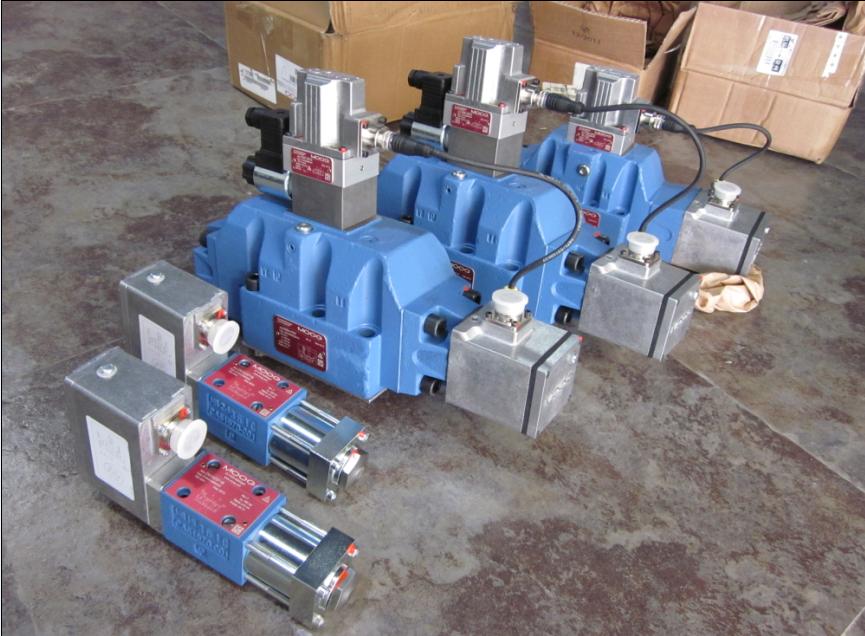 For example, in a flight simulator, it can be used to achieve high-precision attitude control; In CNC machine tools, the machining accuracy and efficiency can be improved.
Fourth, the development trend
With the development of new materials, new motor technology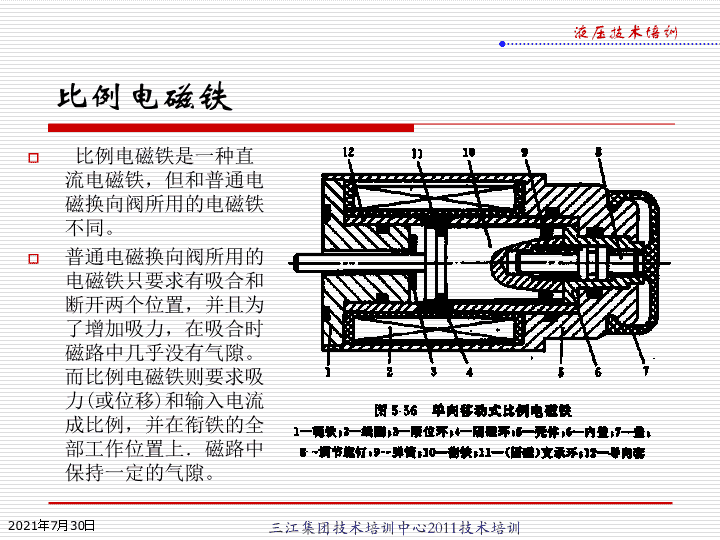 and advanced control algorithm, rotary direct drive
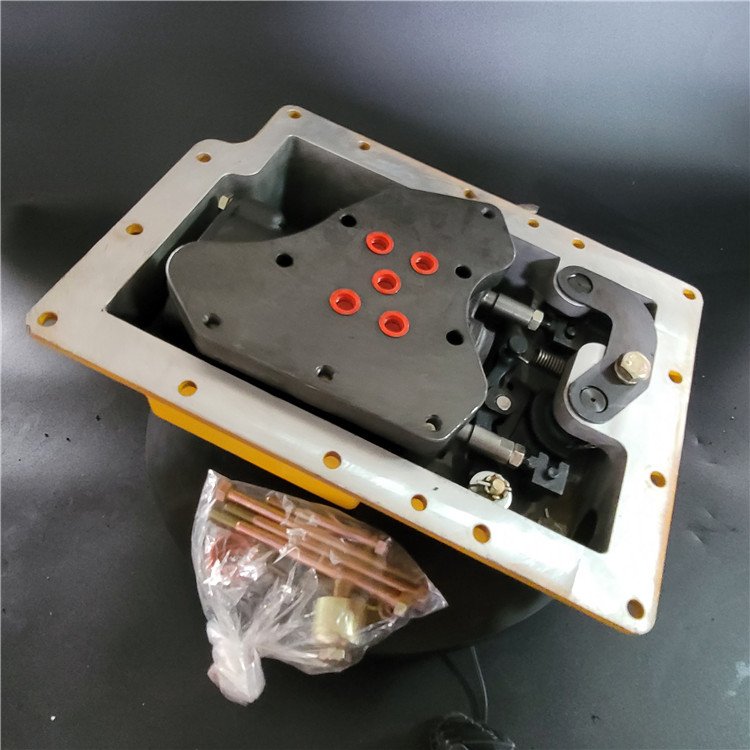 servo valve is developing towards high integration, intelligence and networking. In the future, sensor technology, embedded processing and adaptive control strategy will be further integrated to realize more efficient and intelligent hydraulic servo control.
tag
As an innovative hydraulic control element, rotary direct-drive servo valve is pushing the hydraulic servo system to a higher performance, stronger adaptability and higher intelligent level. It not only solves many technical bottlenecks of traditional servo valves, but also provides a more reliable and efficient solution for modern industrial automation. With the continuous progress of technology, its application prospect will be broader.