
As the core control element in the hydraulic system, the servo valve’s performance directly affects the dynamic response, control accuracy and stability of the whole system. Among them, the stiffness of servo valve is an important index to measure its resistance to load disturbance and maintain stable output. The higher the stiffness, the stronger the resistance of the servo valve to external interference, and the higher the control accuracy and response speed of the system. Therefore, in the design and application of hydraulic servo system, how to improve the stiffness of servo valve has become a key technical problem.
Stiffness of servo valve usually refers to the ratio between its output flow and load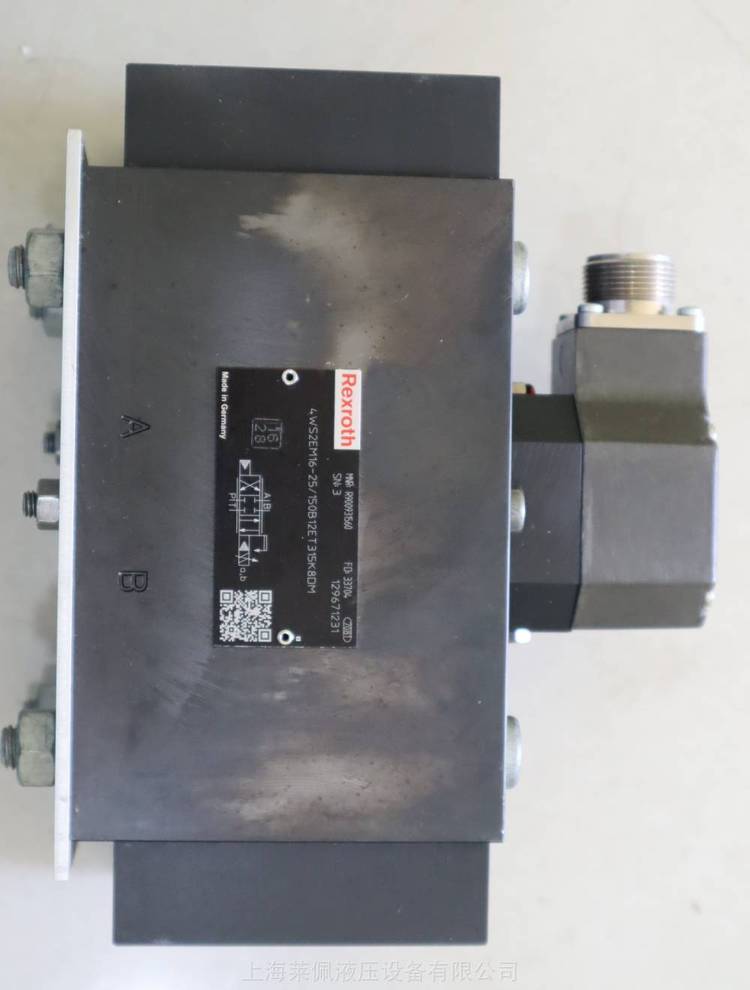 pressure change. Insufficient stiffness will lead to large flow fluctuation when the load changes, which will affect the control accuracy and response speed. Therefore, improving the stiffness of servo valve can start from structural design, material selection, control system optimization and manufacturing technology.
First of all, in terms of structural design, optimizing the internal flow channel structure of servo valve can effectively improve its stiffness. For example, adopting multi-stage pressure feedback structure and increasing the coupling strength between the pilot stage and the main stage can enhance the self-adjustment ability of the system, thus improving the overall stiffness. In addition, properly increasing the matching accuracy and sealing between the valve core and the valve sleeve will also help to reduce internal leakage and improve rigidity.
Secondly, the selection of materials also has an important influence on the stiffness of servo valve. High-performance servo valves often use high-strength, wear-resistant and corrosion-resistant materials, such as stainless steel and ceramics, to improve their structural rigidity and service life. These materials not only have good mechanical properties, but also can maintain stable performance in harsh environments such as high temperature and high pressure, thus indirectly improving the rigidity of the servo valve.
Thirdly, the optimization of control system is also an effective way to improve the stiffness of servo valve. Modern servo valves mostly adopt electro-hydraulic servo control technology combined with closed-loop feedbac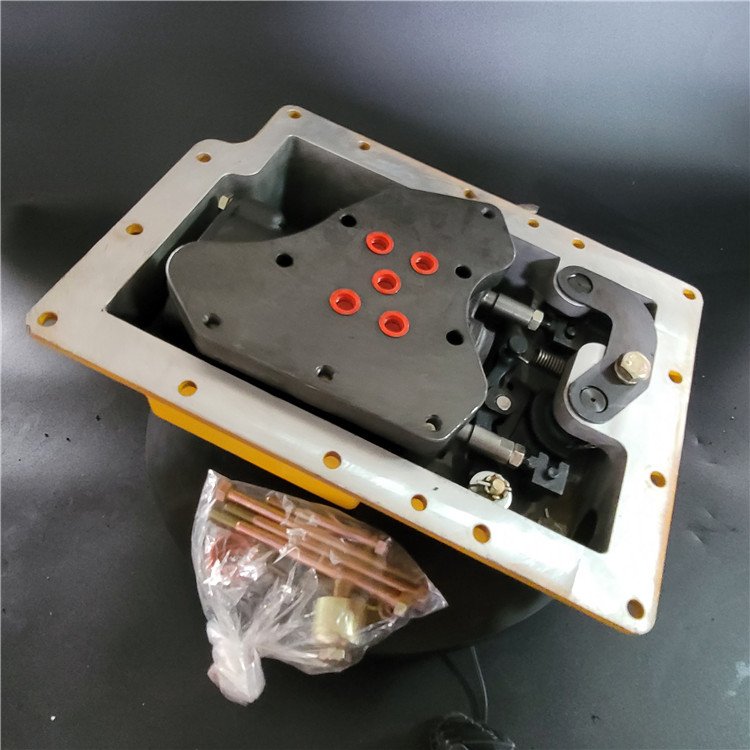 control strategy. By introducing high-performance controller and sensor, the working state of servo valve can be monitored and adjusted in real time, which can respond quickly when the load changes,
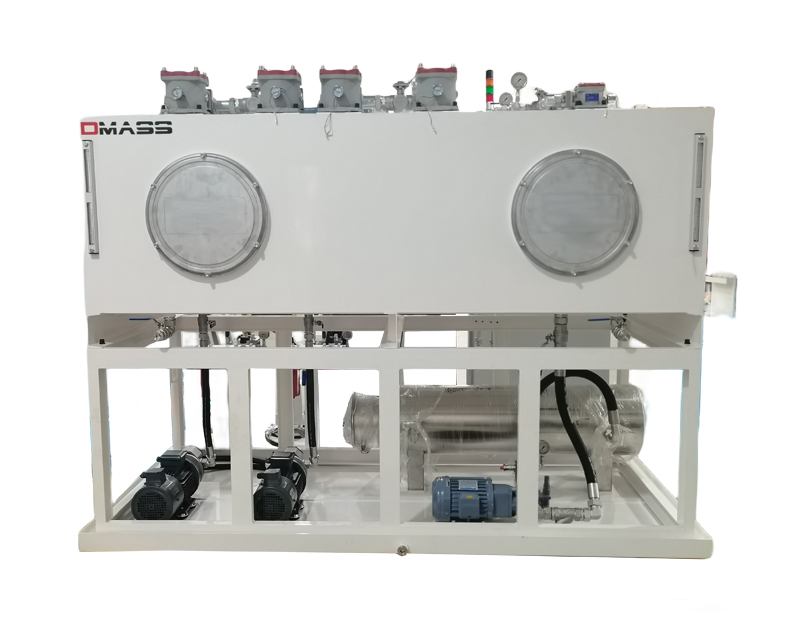 thus maintaining the rigidity and stability of the system.
In addition, the improvement of manufacturing process can not be ignored. Precision machining technology can improve the geometric accuracy and surface smoothness of parts, thus reducing friction and leakage and improving the overall stiffness of servo valve. For example, using high-precision CNC machine tools to process the mating surface between the valve core and the valve sleeve, or using laser welding technology to improve the integrity of the structure, are all effective ways to improve.
To sum up, improving the stiffness of servo valve is a systematic project, which needs comprehensive consideration from structural design, material selection, control system and manufacturing technology. With the continuous development of hydraulic technology, the stiffness problem of servo valve will be further studied and optimized, thus promoting the performance improvement of the whole hydraulic servo system and meeting the increasingly complex industrial control requirements.