
Unpacking inspection items and standards for mechanical valve castings
During the production process of mechanical valve castings, unpacking inspection is a crucial step. It is not only to ensure that the product is not damaged during transportation, but also to ensure that the product quality meets the design and usage requirements. The establishment of unpacking inspection items and standards for mechanical valve castings is an important means to ensure product quality and protect user interests.
The items for unpacking inspection of mechanical valve castings mainly include the following aspects:
Packaging check: Check whether the packaging is intact and meets relevant standards to prevent damage during transportation. At the same time, check for signs of transportation damage inside the packaging box, such as scratches, dents, etc.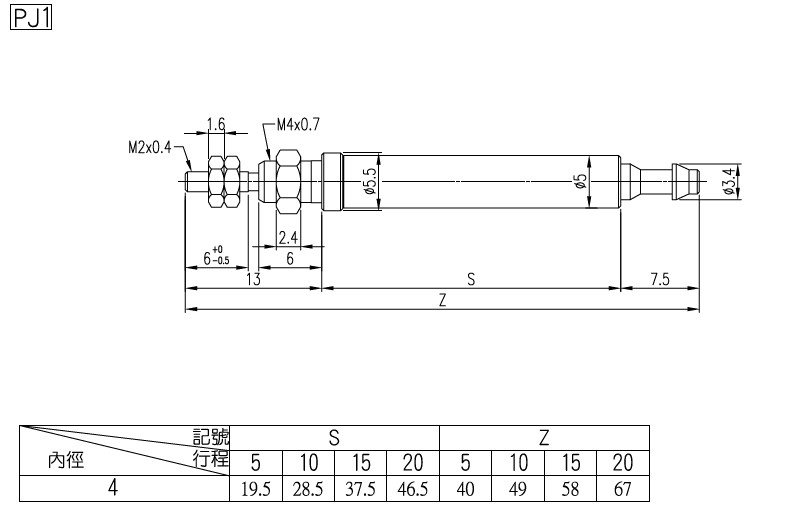
Appearance check: Check whether the surface of the casting is smooth, without obvious scratches, bubbles, sand holes, and other defects. Check whether the dimensions of the casting meet the design requirements, and whether the surface treatment of the casting meets the requirements, such as electroplating, spraying, etc.
Dimensional measurement: Measure the main dimensions of the casting to ensure that they meet the design requirements. At the same time, measure the tolerance of the casting to ensure that the tolerance range meets the design requirements.
Weight check: Measure the weight of the casting to ensure that it meets the design requirements. If the weight of the casting exceeds the range required by the design, it may mean that there is a problem with the internal structure of the casting, and further inspection is required.
Material check: Check whether the material of the casting meets the design requirements, including the chemical composition and mechanical properties of the material. If the material does not meet the design requirements, it may mean that there is a quality problem with the casting, and further inspection is required.
Surface treatment check: Check whether the surface treatment of the casting meets the design requirements, including electroplating, spraying, etc. If the surface treatment does not meet the design requirements, it may mean that there is a quality problem with the casting, and further inspection is required.
Document check: Check whether the manufacturing inspection reports, quality certificates, and other documents of the casting are complete, and whether the content of the documents meets the design requirements. If the documents do not meet the design requirements, it may mean that there is a quality problem with the casting, and further inspection is required.
Identification check: Check whether the identification of the casting meets the design requirements, including product name, specifications, production date, inspection date, etc. If the identification does not meet the design requirements, it may mean that there is a quality problem with the casting, and further inspection is required.
The standards for unpacking inspection of mechanical valve castings mainly include the following aspects:
National standards: Inspections of castings are conducted according to relevant national standards such as ‘Mechanical Valve Castings’, including dimensions, weight, material, surface treatment, etc.
Industry standards: Inspections of castings are conducted according to relevant industry standards such as ‘Production Specifications for Mechanical Valve Castings’, including dimensions, weight, material, surface treatment, etc.
Enterprise standards: Inspections of castings are conducted according to the quality management system and quality control standards of the enterprise, including dimensions, weight, material, surface treatment, etc.
Customer requirements: Inspections of castings are conducted according to the special requirements of customers, including dimensions, weight, material, surface treatment, etc.
Legal and regulatory requirements: Inspections of castings are conducted according to relevant laws and regulations, including dimensions, weight, material, surface treatment, etc.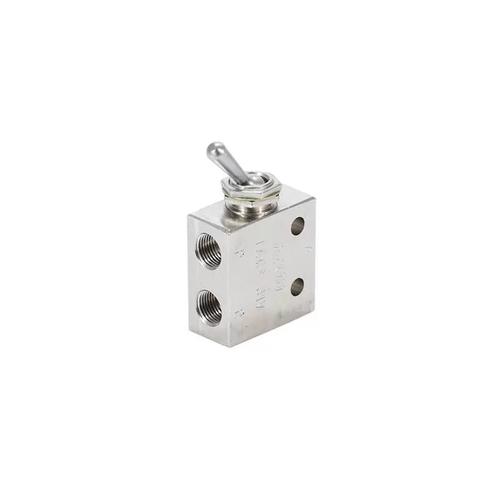
The unpacking inspection of mechanical valve castings is a meticulous and complex task that requires inspectors to have solid professional knowledge and rich practical experience. Only through strict unpacking inspection can the quality of mechanical valve castings meet the design requirements and safeguard the interests of users.