
The assembly sequence and specific steps of the mechanical valve
Mechanical valves play an important role in industrial equipment and mechanical systems, controlling fluid flow to achieve automated operation of the equipment. The assembly process is crucial for ensuring the normal operation of the mechanical valve. This article will introduce the assembly sequence and specific steps of the mechanical valve to help readers better understand and master the assembly method of the mechanical valve.
The assembly of a mechanical valve usually includes the following steps: disassembly, cleaning, inspection, assembly, adjustment, and testing.
Disassembly: First, the mechanical valve needs to be disassembled from its installation position. During the disassembly process, special attention should be paid to protecting the valve body and valve core, etc., to avoid damage. The disassembly should be carried out in the correct order to avoid damage to the equipment due to improper operation.
Cleaning: After disassembly, the valve body, valve core, and other components should be thoroughly cleaned to remove any possible impurities, dirt, and oil stains. The cleaning process should follow the manufacturer’s cleaning guidelines to ensure that the choice of cleaning agent and the method of use meet the requirements.
Inspection: After cleaning, all components should be carefully inspected to ensure they are undamaged. During the inspection, attention should be given to checking for any damage, cracks, or corrosion. For any issues found during the inspection, timely repairs or replacements should be made.
Assembly: After confirming that all components are in good condition, the assembly can begin. When assembling, the assembly guide provided by the manufacturer should be followed to ensure that all components are installed in the correct order and manner. During the installation process, attention should be paid to keeping the components clean and dry to avoid dust, impurities, and other substances from entering the valve body.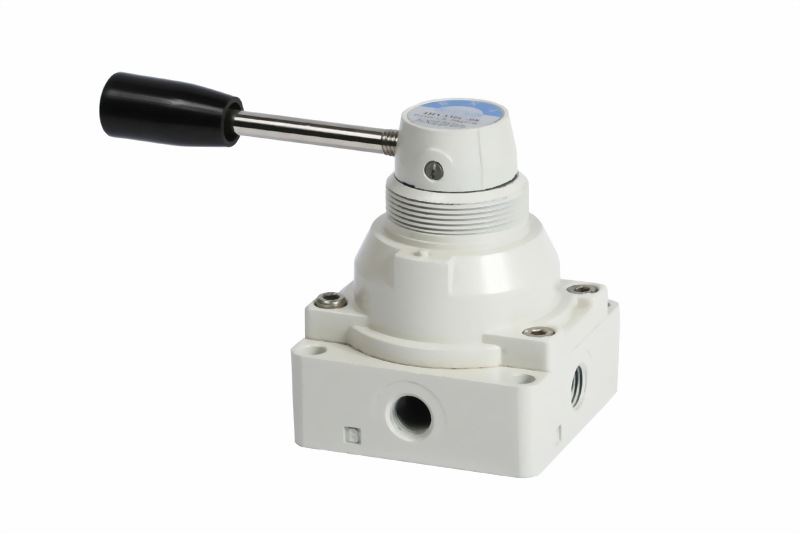
Adjustment: After the assembly is completed, the mechanical valve should be adjusted. During the adjustment process, the sealing performance of the valve body and valve core should be checked to ensure normal operation. At the same time, the opening and closing speed of the valve body, flow control range, and pressure control performance indicators should also be tested.
Testing: After debugging is completed, a comprehensive test of the mechanical valve should be carried out. During the testing process, the actual working environment should be simulated to check its performance under different working conditions. After the test is completed, a comprehensive inspection of the mechanical valve should be conducted to ensure that it meets the design requirements.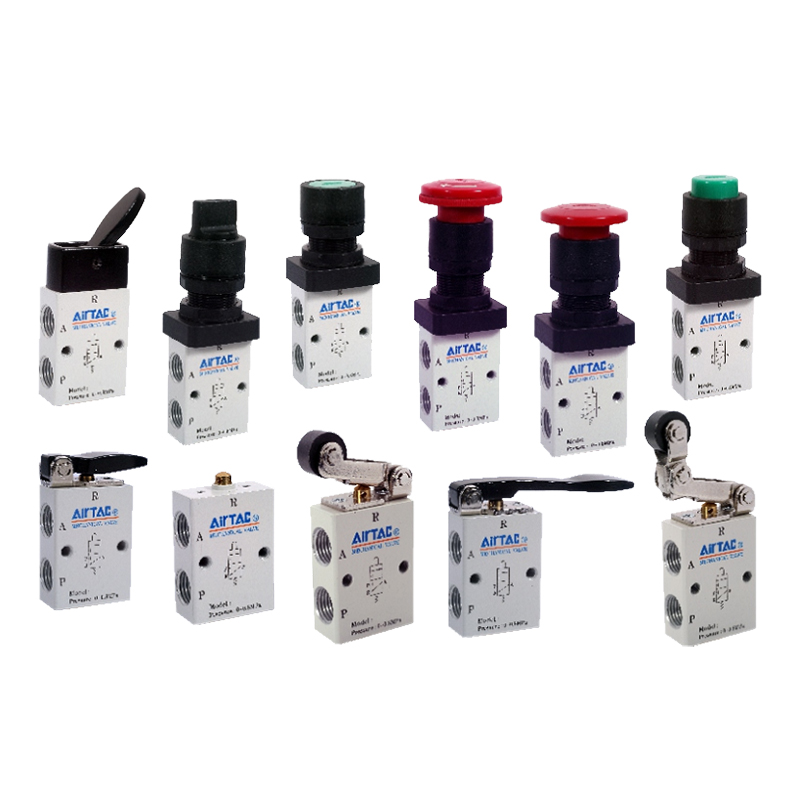
The assembly of a mechanical valve is a complex and meticulous task, which must be carried out strictly according to the manufacturer’s instructions. Only by ensuring that each step is executed correctly can the normal operation of the mechanical valve be guaranteed. At the same time, regular maintenance and inspections can extend the service life of the mechanical valve and ensure the efficient operation of the equipment.