
Servo valve is a key control component in hydraulic system, and its performance directly affects the response speed, control accuracy and operation stability of the system. Under some special working conditions, such as chemical industry, marine industry, metallurgy industry, etc., servo valves often face severe corrosive environment, which puts forward higher requirements for the selection of valve body materials. Therefore, how to scientifically and reasonably select materials with corrosion resistance has become a problem that must be paid attention to when designing and selecting servo valves.
First, clear the type of corrosive environment
Before selecting materials, the working environment of the servo valve should be defined first. Different media have different corrosion modes and strengths on materials. Common corrosion types include acid corrosion (such as sulfuric acid and hydrochloric acid), alkaline corrosion (such as sodium hydroxide), salt spray corrosion (such as chloride in marine environment) and high-temperature oxidation corrosion. In addition, the influence of temperature, pressure, medium flow rate and other factors on the corrosion resistance of materials should be considered.
For example, in an environment containing chloride ions, austenitic stainless steel may fail due to stress corrosion cracking. At this time, duplex stainless steel or nickel-based alloy materials should be given priority.
Second, common corrosion-resistant materials and their properties
1. Stainless steel material
Stainless steel is widely used in the manufacture of servo valves because of its good corrosion resistance and processability. Among them, 304 and 316 austenitic stainless steels perform well in general corrosive environment; However, because of its low carbon content, 316L is more resistant to intergranular corrosion, which is suitable for more severe corrosion environment.
2. Nickel-based alloys
Nickel-based alloys (such as Inconel 625 and Hastelloy C-276) have excellent acid and alkali corrosion resistance, especially suitable for use in high temperature and high concentration of acid or halogen ions. Although the cost of this kind of material is high, it shows excellent stability and long life under extreme corrosive conditions.
3. Titanium and its alloys
Titanium alloys are widely used in aerospace and ocean engineering because of their light weight, high strength and good corrosion resistance. It is particularly prominent in seawater and chloride environment, but it is difficult to process and has high cost, so it is usually used in high-end applications.
4. Ceramic materials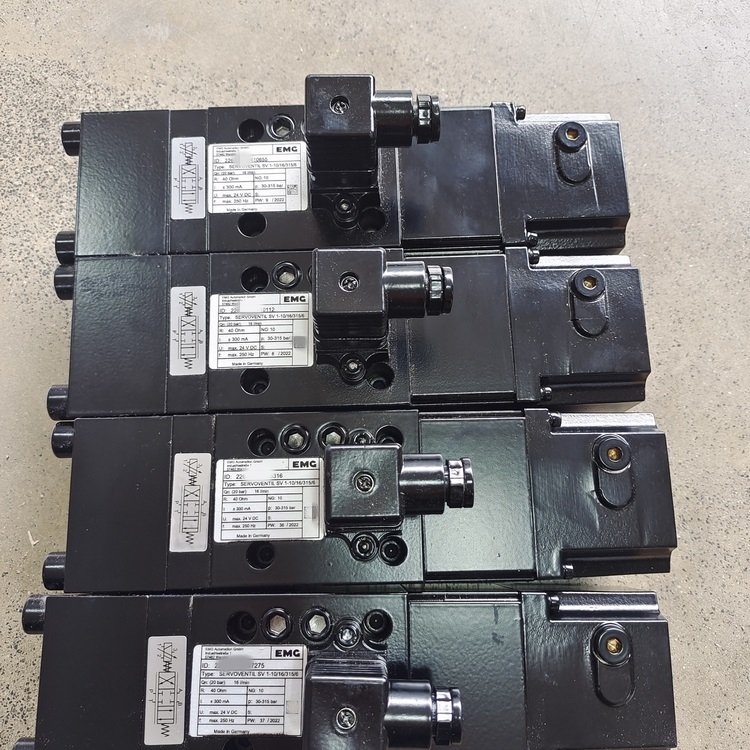
Ceramic materials (such as silicon nitride and zirconia) have extremely high wear resistance and chemical corrosion resistance, and are suitable for key components such as slide valve pairs of high-precision servo valves. Although it is brittle, it has irreplaceable advantages in sealing and corrosion resistance.
Third, comprehensive performance and cost considerations
In the process of material selection, not only the corrosion resistance of the material, but also its mechanical strength, thermal expansion coefficient, machinability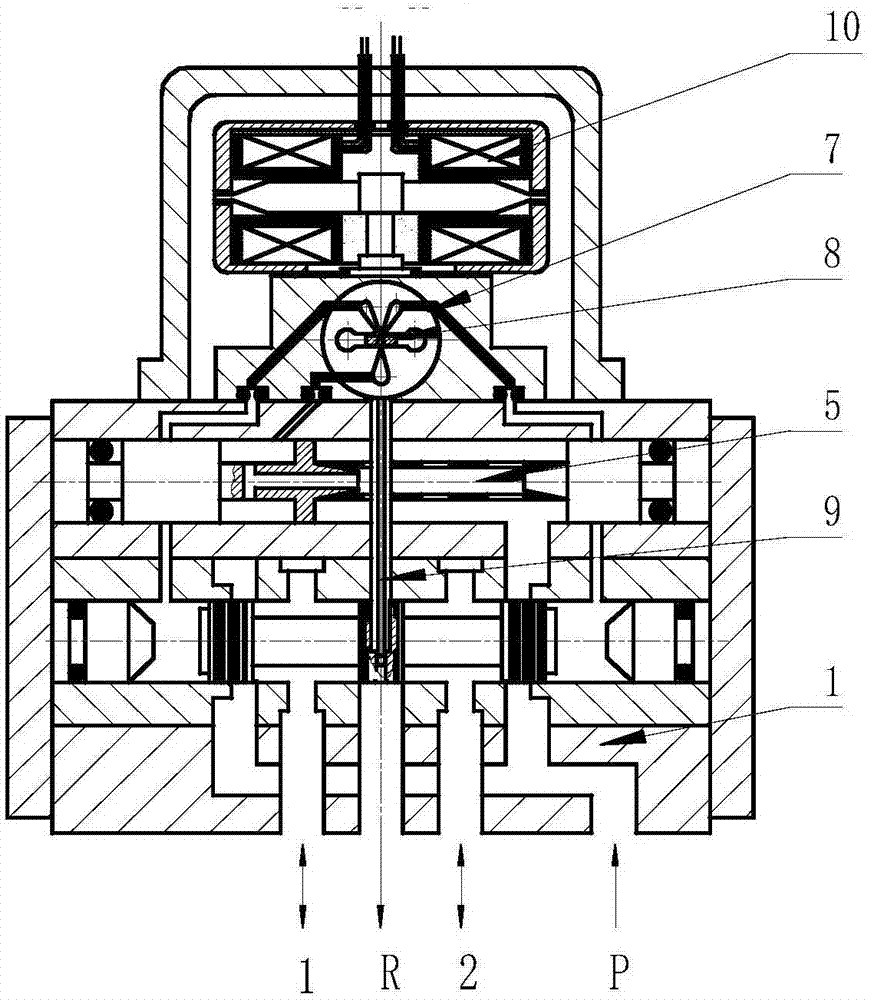 and cost should be considered. For example, stainless steel can be used in occasions where corrosion is not strong but high precision is required; In extreme corrosive environment, high performance materials such as nickel-based alloy or titanium alloy should be given priority.
At the same time, surface treatment technologies (such as electroplating, nitriding and spraying anti-corrosion coatings) can also be used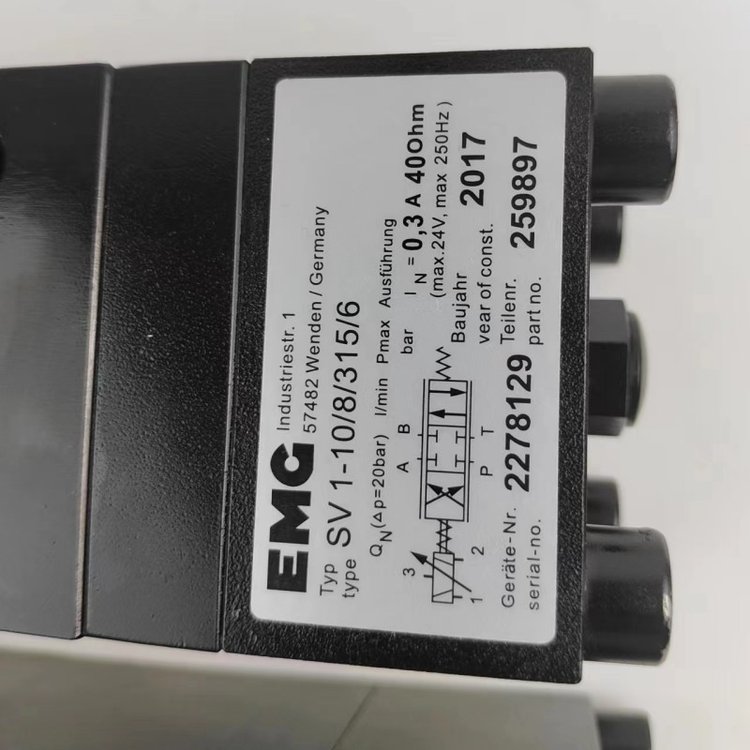 as supplementary means to improve the corrosion resistance of materials, especially for cost-sensitive application scenarios.
IV. Conclusion
The material selection of corrosion-resistant servo valve is a systematic project, which needs a comprehensive analysis according to the actual working conditions. With the development of materials science, more and more high-performance materials are used in the manufacture of servo valves, which provides a strong guarantee for the reliable operation of hydraulic systems. In the future, with the progress of new composite materials and surface treatment technology, the corrosion resistance of servo valves will be further improved, providing a more solid foundation for the development of industrial automation and high-end equipment.