
Specific methods for detecting the thickness of the mechanical valve body
In modern industrial production, mechanical valves as fluid control equipment directly affect the safety and efficiency of the production process due to their performance and reliability. The wall thickness of the valve body is a key factor determining its strength and durability, therefore, precise detection and monitoring of the wall thickness of the valve body is an important link to ensure product quality and safe operation.
1. Significance of detecting the thickness of the mechanical valve body
The thickness of the valve body is an important indicator for measuring the strength and durability of the valve body, playing a crucial role in the performance and safety of the valve. If the wall thickness of the valve body is too thin, it cannot withstand the working pressure and temperature, causing valve leakage, damage, or even safety accidents; if the wall thickness is too thick, it will increase material waste and raise production costs. Therefore, detecting and monitoring the thickness of the valve body to ensure it is within a reasonable range is a key factor in ensuring the normal operation of the valve and improving production efficiency.
2. Specific methods for detecting the thickness of the mechanical valve body
Visual inspection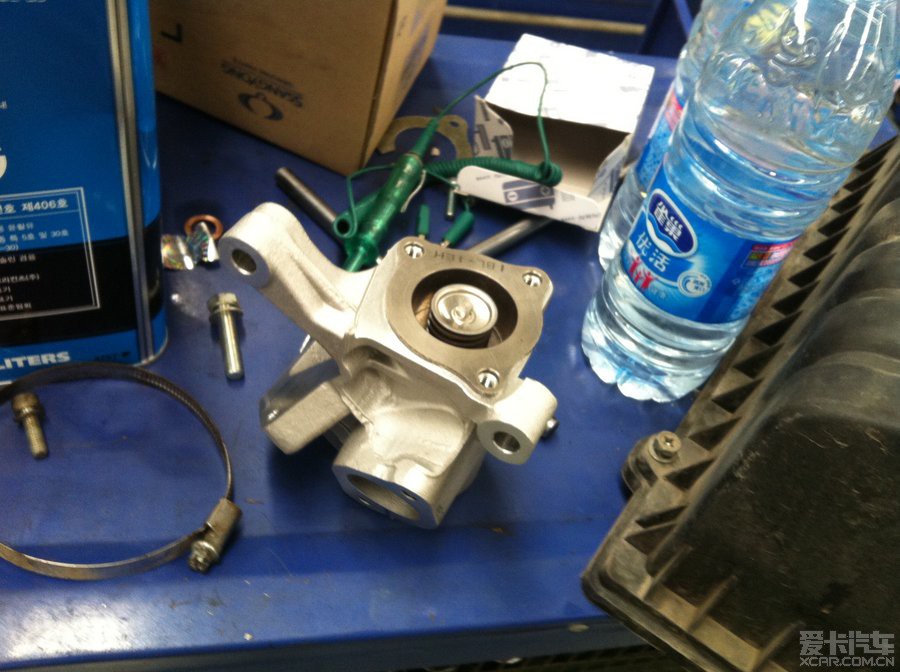
Visual inspection is a simple and direct method suitable for small valves. The operator observes the surface of the valve body with the naked eye to check for obvious deformation, cracks, and other defects. However, the accuracy of this method depends on the operator’s experience and attention, and it has significant limitations for complex valve bodies.
X-ray detection
X-ray detection is a non-destructive testing method that detects internal defects of the material by penetrating the valve body with X-rays or gamma rays and utilizing the principle of intensity change of the rays after passing through the material. This method can detect internal cracks, voids, and other defects, but it is expensive and has high radiation protection requirements for the operator.
Ultrasonic detection
Ultrasonic detection is a non-destructive testing method that detects internal defects of the valve body by emitting ultrasonic waves. This method can detect internal cracks, voids, and other defects, but it has high technical requirements for the operator and certain requirements for the operating environment.
Magnetic particle detection
Magnetic particle detection is a non-destructive testing method that detects surface cracks and defects of the material by applying magnetic particles to the surface of the valve body. This method can discover surface cracks and defects, but it has high technical requirements for the operator and certain requirements for the operating environment.
Eddy current detection
Eddy current detection is a non-destructive testing method that detects internal defects of the material by applying an alternating magnetic field to the surface of the valve body. This method can detect internal cracks, voids, and other defects, but it has high technical requirements for the operator and certain requirements for the operating environment.
3. Conclusion
The thickness detection of the mechanical valve body is an important link to ensure the normal operation of the valve and improve production efficiency. By adopting methods such as X-ray detection, ultrasonic detection, magnetic particle detection, and eddy current detection, the thickness of the valve body can be accurately detected and monitored to ensure it is within a reasonable range. At the same time, according to the specific conditions of the valve body and the detection requirements, appropriate detection methods are selected to improve detection efficiency and accuracy.