
Key points for the selection of mechanical valves and actuators matching
Mechanical valves and actuators are an important part of industrial automation systems, and their performance directly affects the reliability and safety of the system. The correct selection of mechanical valves and actuators is a key link in system design, which not only relates to the operating efficiency of the equipment but also concerns the safety of production and the control of costs. This article will start from the key points of selecting mechanical valves and actuators and discuss in depth how to choose the appropriate matched products.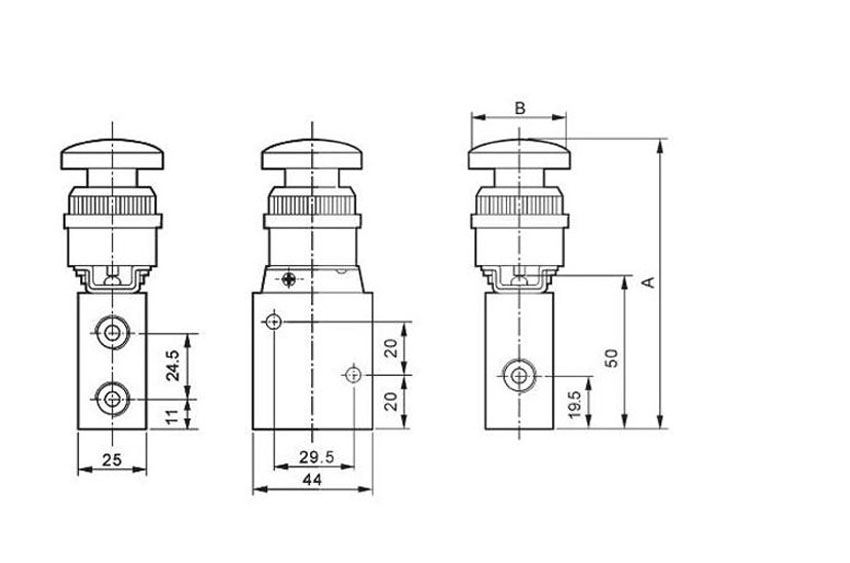
First principle in the selection of mechanical valves and actuators
Working pressure: The working pressure of mechanical valves and actuators is one of the key factors in selection. It not only determines the material and structure of the valve but also directly affects the service life of the valve. When selecting, appropriate mechanical valves and actuators should be chosen according to the actual working pressure range.
Working temperature: Working temperature is another important consideration. When selecting, appropriate valves and actuators should be chosen according to the actual working temperature range. For example, for high-temperature environments, high-temperature-resistant valves and actuators should be selected; for low-temperature environments, low-temperature-resistant valves and actuators should be selected.
Working medium: The properties of the medium (such as corrosiveness, viscosity, particle content, etc.) also affect the selection of mechanical valves and actuators. For example, for media containing particles, wear-resistant and shock-resistant valves and actuators should be selected; for corrosive media, corrosion-resistant valves and actuators should be selected.
Matching of valves and actuators: When selecting, the matching between the valve and actuator should be considered. For example, for valves that need to be frequently opened and closed, actuators with fast response speed and reliable action should be chosen; for valves that need precise control, actuators with high precision and fast response should be chosen.
Safety: When selecting, the safety of the valve and actuator should be considered. For example, for valves that need to prevent medium leakage, valves and actuators with reliable sealing performance should be chosen; for valves that need to prevent overload, actuators with overload protection functions should be chosen.
Noticeable points when choosing mechanical valves and actuators
Choose products that meet standards: When selecting mechanical valves and actuators, it should be ensured that they meet relevant standards and specifications, such as ISO, ANSI, EN, etc. This not only helps to ensure the quality and reliability of the products but also ensures the interchangeability and compatibility of the products between different countries and regions.
Consider brand and after-sales service: When selecting mechanical valves and actuators, the reputation of the brand and after-sales service should be considered. Choosing mechanical valves and actuators from well-known brands can reduce the cost of maintenance in the later stage and improve the reliability and stability of the equipment.
Consider cost: When selecting mechanical valves and actuators, comprehensive consideration should be given to cost factors. Choosing products with high cost-performance can reduce the total ownership cost of the equipment and improve the return on investment.
Consider environmental factors: When selecting mechanical valves and actuators, environmental factors such as humidity, temperature, and vibration should be considered. Choosing mechanical valves and actuators with corresponding protection functions can improve the reliability and lifespan of the equipment.
Case study of matching selection of mechanical valves and actuators
Taking the pneumatic ball valves and pneumatic actuators in industrial automation control systems as an example, the matching selection of pneumatic ball valves and pneumatic actuators requires the following key points to be considered:
Working pressure: The working pressure of the pneumatic ball valve should match the working pressure of the pneumatic actuator to ensure that the valve operates normally within the working pressure range.
Working temperature: The working temperature of the pneumatic ball valve should match the working temperature of the pneumatic actuator to ensure that the valve operates normally within the working temperature range.
Working medium: Pneumatic ball valves and pneumatic actuators should be selected with products that match the working medium to ensure that the valve operates normally under the working medium conditions.
Matching of valves and actuators: Pneumatic ball valves and pneumatic actuators should be selected with matching products to ensure that the valve operates normally under the drive of the actuator.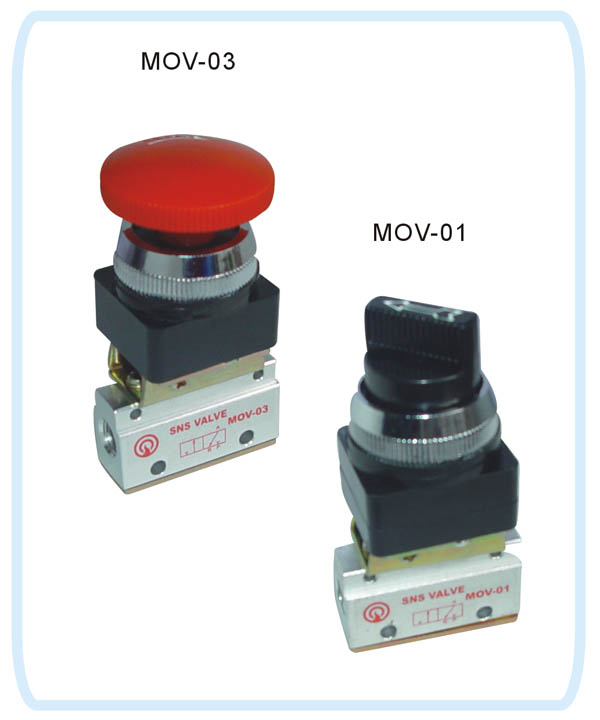
Safety: Pneumatic ball valves and pneumatic actuators should be selected with reliable sealing performance and overload protection functions to ensure that there will be no leakage or overload during the operation of the valve.
In summary, the matching selection of mechanical valves and actuators requires comprehensive consideration of working pressure, working temperature, working medium, the match between valves and actuators, and safety factors. Only by choosing the appropriate mechanical valves and actuators can the reliability and safety of industrial automation systems be ensured, thereby improving production efficiency and reducing maintenance costs.