
With the continuous improvement of industrial automation level, digital servo valve plays an increasingly important role in hydraulic control system. Compared with the traditional analog servo valve, digital servo valve has the advantages of fast response, high control accuracy and strong anti-interference ability, and is widely used in aerospace, robotics, CNC machine tools, metallurgical equipment and other fields. How to program the digital servo valve is the key to realize its efficient and accurate control.
First, the basic working principle of digital servo valve
Digital servo valve is an actuator that controls hydraulic flow and pressure through digital signals. It is usually composed of controller, feedback sensor and actuator, and the precise adjustment of hydraulic system is realized through closed-loop control. Its core lies in the comparison and processing of input instructions and feedback signals by microprocessor, so as to drive the valve core to act and realize accurate control of flow or pressure.
Second, the basic process of digital servo valve programming
1. Clear control objectives
Before programming, we must first determine the control objectives of the system, such as: controlling the position, speed or force of the hydraulic cylinder; The required accuracy, response time, etc. These parameters will directly affect the structure of the follow-up program and the choice of control algorithm.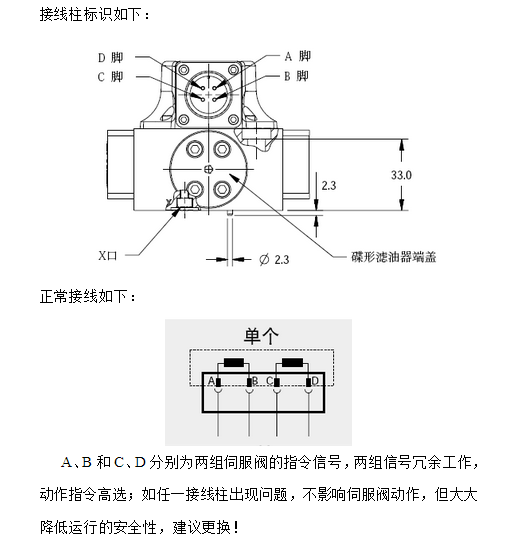
2. Choose the appropriate control strategy
Common control methods include PID (Proportional-Integral-Differential) control, fuzzy control and adaptive control.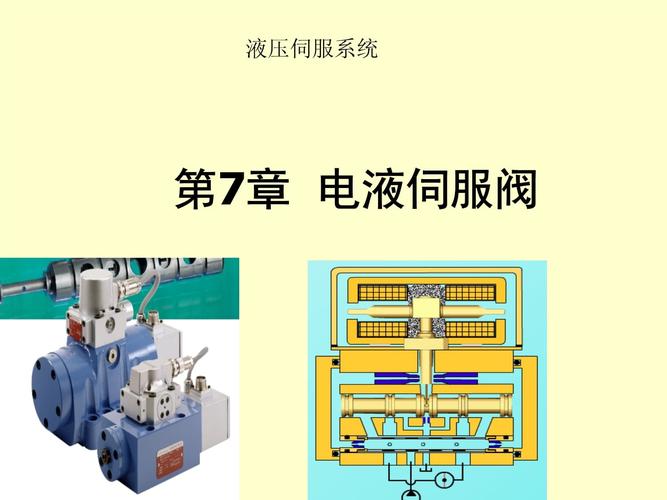 Among them, PID control is widely used because of its simple structure and good stability. In the application of digital servo valve, PID control is usually used to adjust the output signal to achieve the desired displacement or pressure.
3. Write the control program
Programming languages usually include C language, C++, PLC programming language (such as ladder diagram, structured text) and so on. The program should realize the following functions:
-Read external instructions (such as setting values from the upper computer or operation panel);
-Collecting sensor data (such as position sensor and pressure sensor);
-executing control algorithms (e.g. PID calculation);
-outputting a control signal to drive the servo valve;
-Real-time monitoring system status and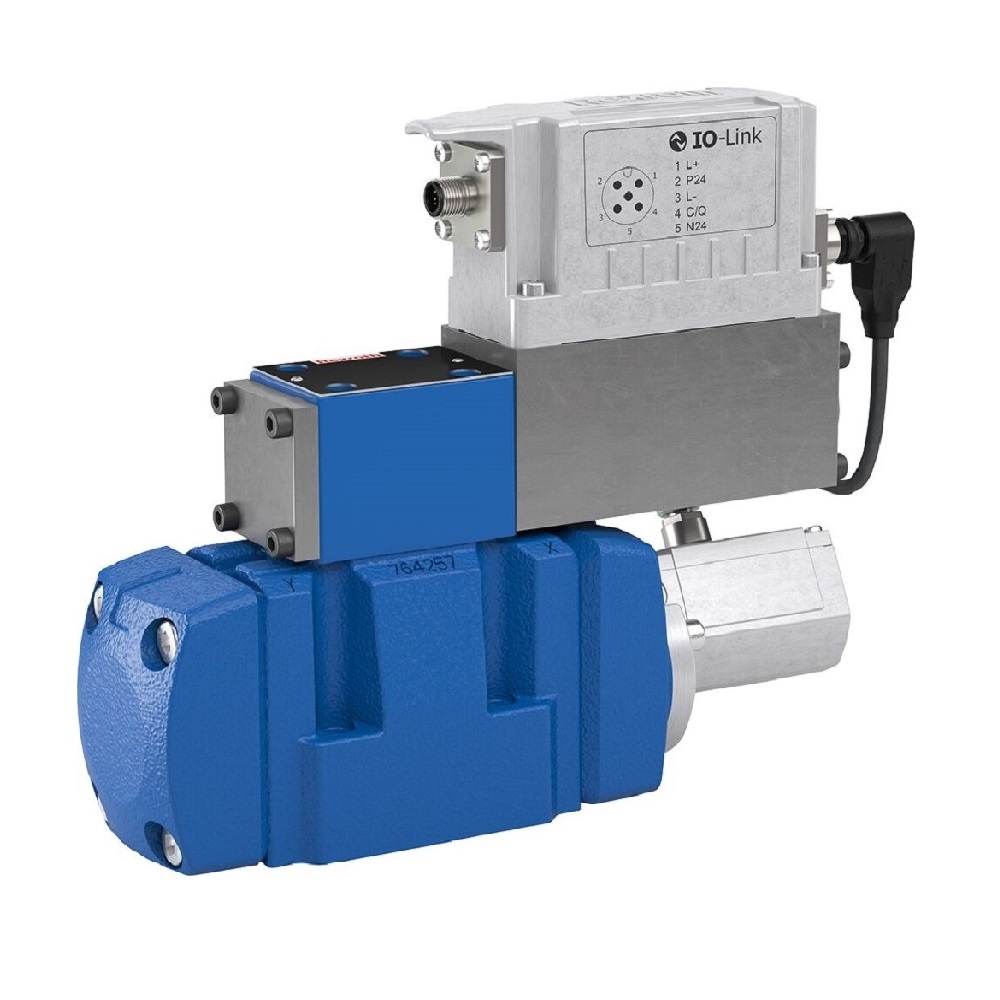 troubleshooting.
4. Debugging and optimization
After writing the program, on-site debugging is needed. In the process of debugging, PID parameters and filter settings should be constantly adjusted to improve the response speed and stability of the system. In addition, the influence of external interference, temperature change and other factors on the system should be considered, and the corresponding compensation mechanism should be added to the program.
Third, the key technical points in the programming of digital servo valve
-High real-time requirement: Because the servo system usually works in a high-speed dynamic environment, the program must have good real-time response ability.
-Multi-tasking: Modern digital servo valves often integrate various sensors and communication interfaces, so programs often need to support multi-tasking concurrent execution.
-Support of communication protocols: Common communication interfaces include CAN, EtherCAT, RS485, etc. The program should be able to correctly parse and send data packets in communication protocols.
-Fault diagnosis and safety mechanism: In order to ensure the safe operation of the system, the program should integrate fault detection and alarm functions, such as sensor disconnection detection and overload protection.
Fourth, summary
The programming of digital servo valve is the key link to realize high performance hydraulic control. Through reasonable control strategy, efficient program design and strict debugging and optimization, we can give full play to the advantages of digital servo valve and improve the control accuracy and response speed of the whole system. In the future, with the development of artificial intelligence and industrial Internet of Things, the programming of digital servo valves will be more intelligent and networked, which will further promote the progress of industrial automation.