
Analysis of the firmness of the connection between the mechanical valve handwheel and the valve rod
Valves are an indispensable important equipment in industrial production, playing the roles of opening, regulating, cutting off, check valve,, and pressure reduction in the pipeline system, and are the control components in the fluid transmission system. The normal operation of valves is of great significance to industrial production, and the connection parts of valves, especially the connection parts between the valve handwheel and the valve rod, directly affect the safety and service life of the valve operation. Therefore, the firmness of the connection between the valve handwheel and the valve rod plays a crucial role in the performance and service life of the entire valve.
The main connection methods of the valve handwheel and the valve rod are mainly three: threaded connection, flange connection, and welding connection. Threaded connection is the most common connection method, which achieves the opening and closing of the valve through the interlocking threads on the handwheel and the valve rod. Flange connection is to connect the handwheel and the valve rod through the flange disk, which is suitable for large-diameter valves. Welding connection is suitable for valves under high pressure, high temperature, and corrosive media, which connects the handwheel and the valve rod together through welding.
The firmness of the connection between the valve handwheel and the valve rod directly affects the performance and service life of the valve. If the connection between the handwheel and the valve rod is loose, disengaged, or broken, it will not only reduce the performance of the valve but also cause the valve to fail during operation, leading to production accidents. Therefore, the firmness of the connection between the valve handwheel and the valve rod is a problem that must be paid attention to during the design and manufacturing process of the valve.
To ensure the firmness of the connection between the valve handwheel and the valve rod, the following aspects need to be considered:
Choose the appropriate connection method: According to the operating conditions and medium characteristics of the valve, choose the appropriate connection method. For threaded connections, choose the appropriate thread specification and material to ensure the tightness and strength of the thread. For flange connections, choose the appropriate flange material and seal to ensure the sealing and reliability of the flange connection. For welding connections, choose the appropriate welding material and process to ensure the strength and corrosion resistance of the welding connection.
Ensure the cleanliness and lubrication of the connection site: Regular inspection and maintenance are required for the cleanliness and lubrication of the connection between the valve handwheel and the valve rod to prevent impurities and corrosive media from entering the connection site, causing wear and corrosion, thereby reducing the firmness of the connection site. At the same time, regular lubrication of the connection site can reduce wear and increase the service life of the connection site.
Regular inspection and maintenance: Regularly inspect and maintain the connection between the valve handwheel and the valve rod can help to detect abnormal conditions at the connection site in time, such as loosening, disengagement, and breakage, and take timely measures to deal with them to avoid further damage to the connection site, thereby ensuring the normal operation of the valve.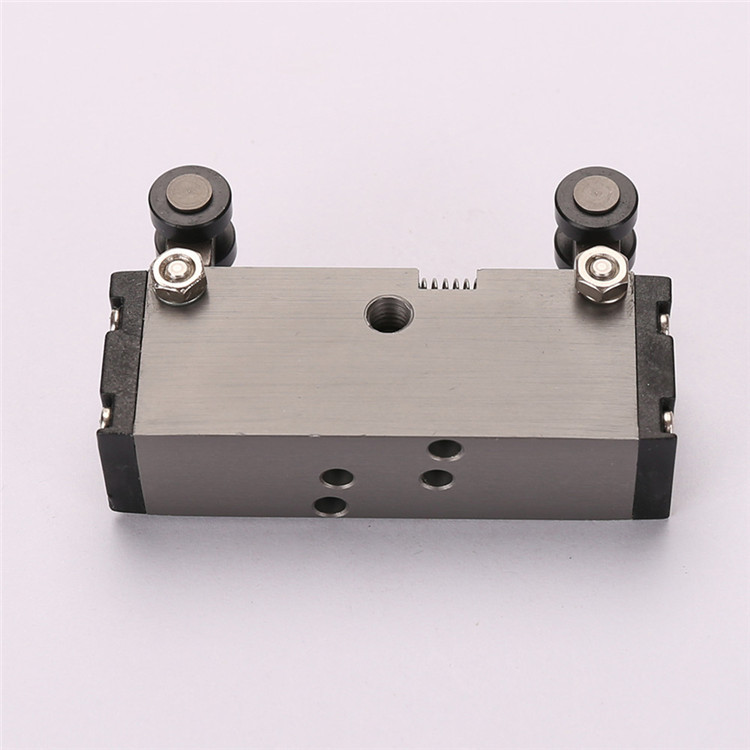 @@@@@@@@@@@@@@@@@@@@@@
In summary, the firmness of the connection between the valve handwheel and the valve rod is a problem that must be paid attention to during the design and manufacturing process of the valve. It directly affects the performance and service life of the valve. Only by ensuring the firmness of the connection between the valve handwheel and the valve rod can the normal operation of the valve be guaranteed, providing reliable protection for industrial production.