
Hydraulic system plays a vital role in modern industrial equipment. As the “heart” of hydraulic system, the design of hydraulic oil tank directly affects the performance, efficiency and life of the whole system. Therefore, it is of great significance to design the hydraulic oil tank scientifically and reasonably to ensure the stable operation of the hydraulic system.
First, the basic function of hydraulic oil tank
The main functions of hydraulic oil tank include: storing hydraulic oil to meet the needs of system circulation; Heat dissipation to help the system maintain a suitable working temperature; Separating air and impurities in oil; And provide stable oil absorption conditions for the hydraulic pump. Therefore, capacity, structural strength, heat exchange capacity, filtration system and other aspects must be considered comprehensively in the design process.
Second, the capacity design
The capacity of the hydraulic oil tank should be determined according to the working pressure, flow rate and cycle period of the hydraulic system. Under normal circumstances, the effective volume of the oil tank (i.e. the working oil quantity) should be 3 ~ 5 times of the flow per minute of the hydraulic pump. For high temperature or high load conditions, the volume can be appropriately increased to enhance the heat dissipation capacity. In addition, it is necessary to leave enough expansion space to prevent oil from overflowing when heated and expanded.
Third, the structural design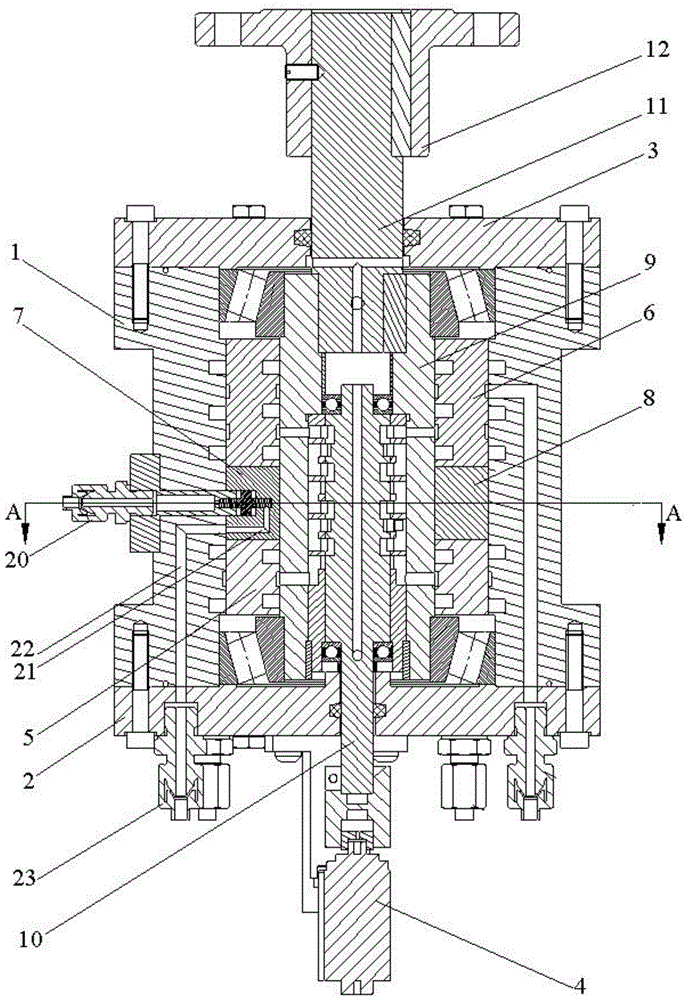
Reasonable structural design is the key to ensure the realization of fuel tank function. Generally speaking, the oil tank should be provided with an oil suction port and an oil return port, and a sufficient distance should be ensured between them to prevent the oil return from directly entering the oil suction port, causing bubbles to mix in. At the same time, a baffle should be set inside the oil tank to extend the oil flow path, which is helpful for impurity precipitation and air separation.
In order to prevent external pollutants from entering the fuel tank, an air filter is required; In order to facilitate maintenance, a cleaning cover or manhole and an oil drain valve should be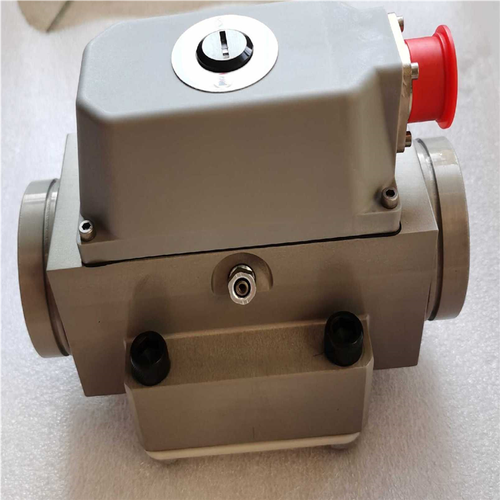 provided. In addition, a level gauge should be set at the top of the oil tank to monitor the oil level in real time.
Four, material selection and anti-corrosion treatment
According to the different use environment, the fuel tank material can be carbon steel, stainless steel or plastic. The price of carbon steel is low, but it needs surface antirust treatment; Stainless steel has good corrosion resistance and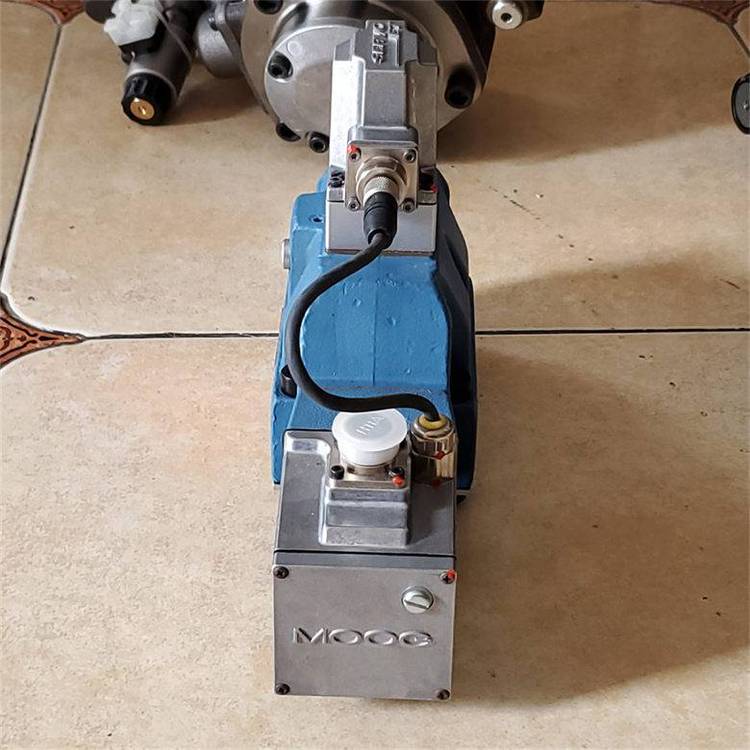 is suitable for harsh environment; Plastic oil tanks are light in weight and corrosion-resistant, but their strength is low, so they are mostly used in small equipment.
No matter what kind of material is selected, necessary anti-corrosion treatment should be carried out, such as spraying antirust paint or zinc plating, to ensure that the oil tank will not rust and leak after long-term use.
V. Thermal management design
Heat will be generated during the operation of the hydraulic system. If the heat cannot be dissipated in time, the oil temperature will rise, which will affect the efficiency of the system and even cause problems such as aging of seals and deterioration of oil. Therefore, natural heat dissipation or forced cooling should be considered in the design of oil tank, and a cooler or fan can be added when necessary to maintain the system working in a reasonable temperature range.
VI. Summary
The design of hydraulic oil tank is a systematic project, which needs to comprehensively consider many factors such as capacity, structure, material, filtration, heat dissipation and so on. Only on the basis of scientific calculation and reasonable layout can we design a hydraulic oil tank with stable performance, safety, reliability and easy maintenance, thus ensuring the efficient operation of the whole hydraulic system. With the continuous development of hydraulic technology, the design of hydraulic oil tank will also move towards more energy-saving, more environmental protection and more intelligent direction.