
Precautions for manual valve operation and methods of opening and closing torque control
As an important part of industrial automation systems, the accuracy and safety of the opening and closing operation of valves directly affect the safety and efficiency of the production process. In actual operation, manual operation of valves is a common and important task, especially in equipment maintenance, fault troubleshooting, and emergency situations. However, improper operation of valves can lead to equipment damage, production interruption, or even safety accidents. Therefore, it is crucial to understand the precautions for manual valve operation and the methods of opening and closing torque control.
I. Precautions for manual valve operation
Familiarize yourself with the types and structures of valves: Different types and structural designs of valves have different opening and closing requirements. Understanding the specific structure and working principle of the valve can avoid misoperation due to lack of understanding during operation.
Check the valve status: Before operation, it is necessary to check whether the appearance of the valve is damaged, such as rust or cracks, to ensure that the valve is in good working condition. At the same time, check whether the opening and closing direction of the valve is correct to prevent misoperation.
Choose the operation tool correctly: Suitable wrenches or special tools should be selected according to the size and structure of the valve to avoid damage or difficulty in operation due to improper tool selection.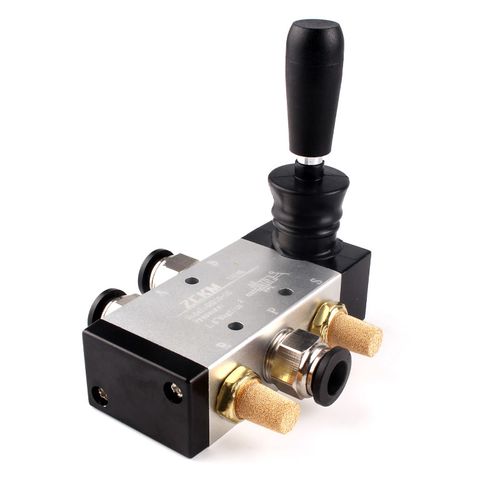
Pay attention to the force of operation: When operating valves, the correct force should be selected according to the size and structural characteristics of the valve to avoid valve damage or difficulty in operation due to excessive force.
Pay attention to safety protection: During the operation, necessary protective equipment such as gloves and safety goggles should be worn to prevent injury due to accidents during operation.
II. Methods of opening and closing torque control for valves
Understanding the opening and closing torque standards: Different types of valves have different opening and closing torque standards, which are usually provided by manufacturers. Before operation, it should be understood that the opening and closing torque range of the valve is controlled within the standard range during the operation.
Using a torque wrench: To ensure that the opening and closing torque of the valve is within the standard range, a torque wrench can be used for operation. The torque wrench can accurately control the torque applied to the valve, avoiding valve damage or difficulty in operation due to excessive or insufficient force.
Step-by-step operation: When operating valves, force torque should be applied step by step to avoid valve damage due to excessive force applied at once. For large valves, the method of step-by-step operation can be adopted, gradually increasing the torque until the valve is fully opened or closed.
Regular maintenance and inspection: Regular maintenance and inspection of valves should be carried out to ensure that the opening and closing torque of the valve is within the standard range. For valves that have not been used for a long time, regular opening and closing operations should be performed to prevent valve sticking and other problems caused by long-term disuse.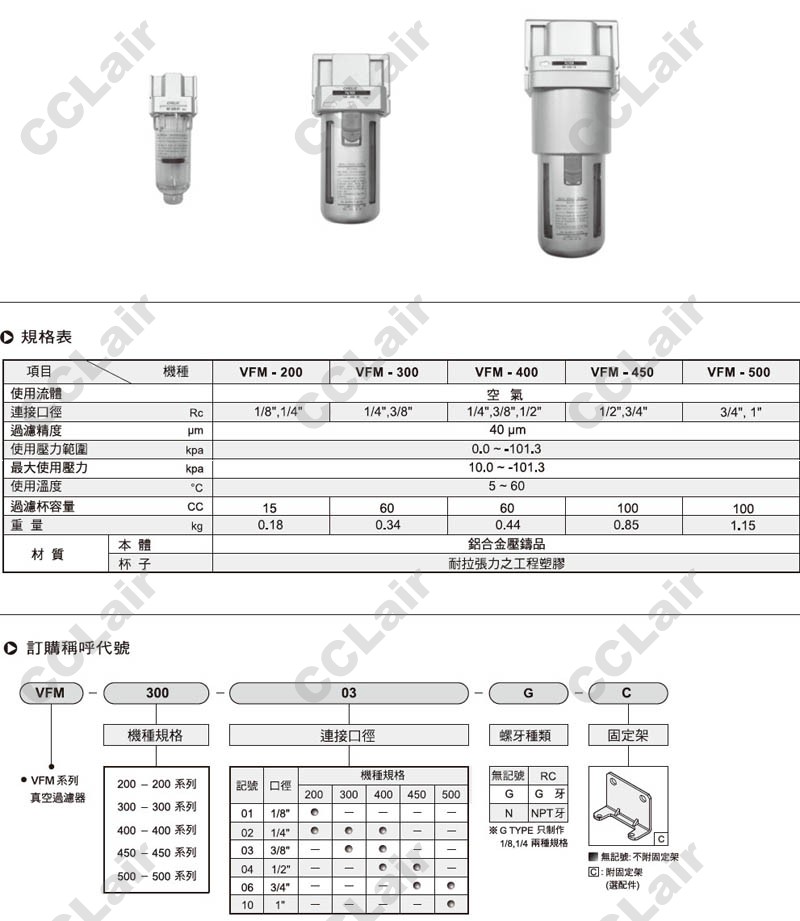
Conclusion
The manual operation of valves, although seemingly simple, actually contains rich operational skills and precautions. Proper operation of valves can not only improve production efficiency but also ensure the safe operation of equipment. Therefore, mastering the precautions for manual valve operation and the methods of opening and closing torque control is of great significance for improving production efficiency and equipment safety.