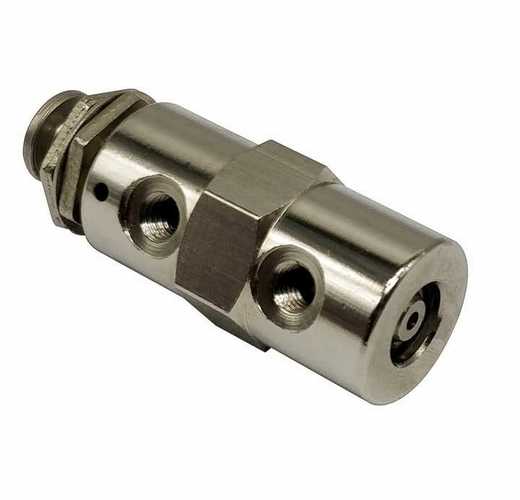
Key Points for Forging Quality Control of Mechanical Valve Balls
In modern industrial production, valves, as important fluid control equipment, directly affect the stability and safety of the entire production process. Among valves, ball valves are widely used in various industrial fields due to their excellent sealing performance, flexible operation, and small flow resistance. The core component of ball valves—the ball—its forging quality directly determines the performance of the ball valve. Therefore, forging quality control is crucial for the performance of the ball.
Forging is a process of heating and deforming metal raw materials to obtain the required shape and properties. The quality control of forging balls mainly includes the selection of raw materials, the control of forging process parameters, and the quality inspection during the forging process.
I. Selection of raw materials
Choosing high-quality raw materials is the first step in forging quality control. The material of the raw material should meet the design requirements, usually using high-chromium stainless steel, corrosion-resistant steel, heat-resistant steel, and so on. When selecting raw materials, attention should be paid to the chemical composition, mechanical properties, physical properties, and surface quality of the raw materials to ensure that the raw materials meet the design requirements. At the same time, the storage conditions of the raw materials also need to be paid attention to, and high temperature, humidity, and other environments should be avoided to prevent oxidation and rust of the raw materials, affecting their quality.
II. Control of forging process parameters
The control of forging process parameters includes heating temperature, forging pressure, forging speed, and cooling method. The heating temperature needs to be reasonably set according to the properties of the raw material and the shape of the ball to ensure the uniformity of the internal structure and the refinement of the grain of the ball, thus improving its mechanical properties. The forging pressure needs to be reasonably set according to the shape and size of the ball to ensure the accuracy of the shape and size of the ball. The forging speed needs to be reasonably set according to the shape and size of the ball to ensure the accuracy of the shape and size of the ball. The cooling method needs to be reasonably set according to the shape and size of the ball to ensure the accuracy of the shape and size of the ball.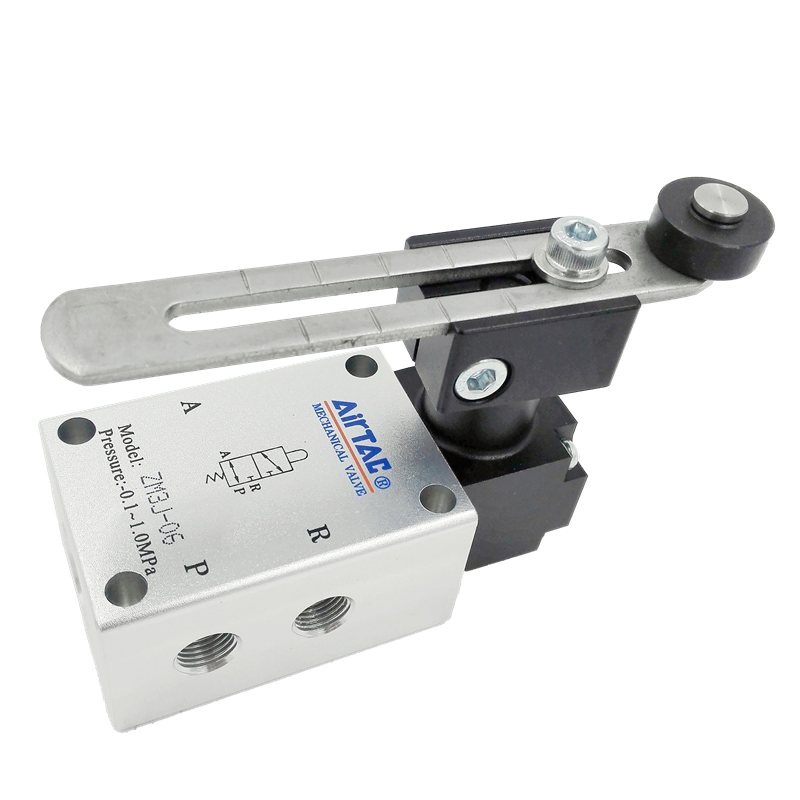
III. Quality inspection during the forging process
During the forging process, it is necessary to inspect the shape, size, surface quality, and internal structure of the ball to ensure that the quality of the ball meets the design requirements. Common inspection methods include microscopic observation, hardness testing, and metallographic analysis. During the inspection process, it is necessary to ensure the accuracy and reliability of the inspection methods to ensure the accuracy of the inspection results.
IV. Heat treatment after forging
Heat treatment after forging is an important means to improve the performance of the ball. Heat treatment mainly includes annealing, normalizing, quenching, and tempering. The purpose of heat treatment is to improve the hardness, strength, and toughness of the ball, improve its microstructure, and enhance its corrosion resistance and wear resistance. The temperature, time, and cooling method of heat treatment need to be reasonably set according to the material and design requirements of the ball.
V. Surface treatment after forging
The surface treatment after forging includes surface cleaning and surface coating. The purpose of surface cleaning is to remove the oxidation layer and impurities on the surface of the ball to improve its surface quality. The purpose of surface coating is to improve the corrosion resistance, wear resistance, and fatigue resistance of the ball. The methods of surface treatment include sandblasting, shot blasting, electroless plating, electroplating, and so on.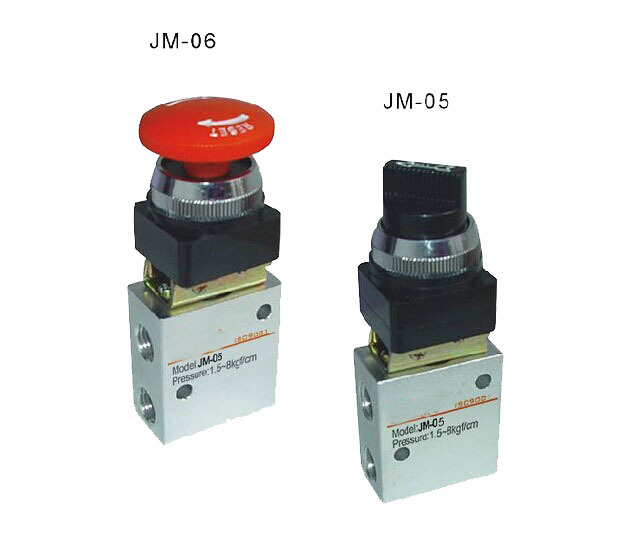
In summary, forging quality control is an important link to ensure the performance of the ball. During the forging process, strict control is required over the selection of raw materials, the setting of forging process parameters, quality inspection during the forging process, as well as heat treatment and surface treatment after forging, in order to ensure that the quality of the ball meets the design requirements, thus ensuring the performance of the valve and providing reliable protection for industrial production.