
Die casting is an efficient metal forming process, which is widely used in automobile, electronics, aerospace and other fields. In the process of die casting, the clamping stage is one of the most important links in the whole process, and its pressure control directly affects the quality of castings and the life of dies. Therefore, how to realize accurate pressure control of die casting machine in the process of die closing is a problem that must be paid attention to in die casting production.
First, the role and importance of clamping pressure
Clamping pressure refers to the force exerted on the die by the clamping mechanism of the die casting machine after the die is closed, and its main functions include:
1. Prevent molten metal from overflowing under high pressure: The pressure of injecting molten metal during die casting is usually as high as tens of MPa. If the clamping pressure is insufficient, it may lead to defects such as flash and overflow.
2. Ensure the mold closure tightness: Good clamping pressure can ensure that the parting surface of the mold fits closely and avoid defects such as air holes and slag inclusion.
3. Extend the service life of the mold: Reasonable clamping pressure can reduce the wear and impact of the mold and improve the service life of the mold.
Second, the key factors of clamping pressure control
1. Hydraulic system performance
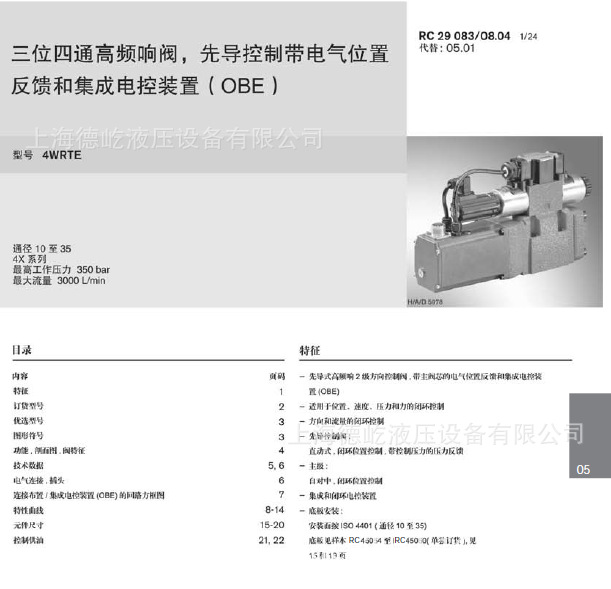
The clamping pressure of die casting machine is mainly provided by hydraulic system. The performance of hydraulic pump, overflow valve, servo valve and other components directly affects the stability and response speed of pressure. High-performance hydraulic system can realize more accurate pressure adjustment and real-time feedback.
2. Control system accuracy
Modern die casting machines mostly use PLC (programmable logic controller) or industrial computer for automatic control. Real-time data of mold clamping pressure is collected by sensors and compared with the set value, and the output of hydraulic system is automatically adjusted, so as to realize closed-loop control.
3. Mold structure and load characteristics
The complexity of the mold, the size of the parting area, the location of the gate and other factors will affect the required clamping pressure. In actual operation, it is necessary to make reasonable settings according to the specific conditions of the mold.
4. Process parameter matching
The clamping pressure should be matched with injection pressure, filling speed, cooling time and other parameters in order to realize high quality and efficient die casting production.
Third, common pressure control methods
1. Constant pressure control
Set a fixed clamping pressure value according to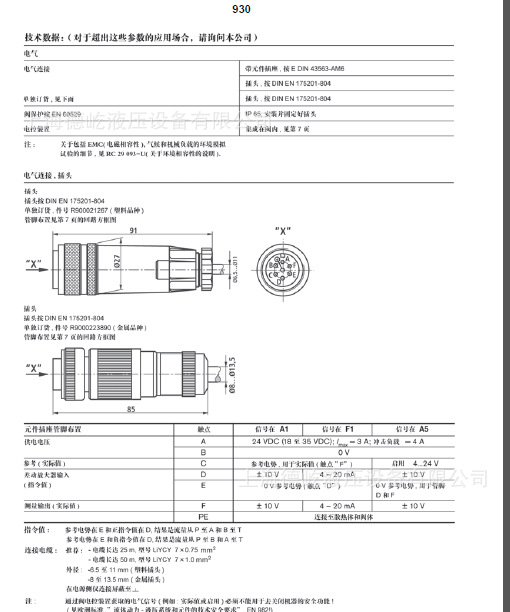 experience. It is suitable for die casting
 production with simple structure and stable products, but it has poor flexibility and is difficult to adapt to complex process requirements.
2. Variable pressure control (multistage pressure)
Adopt lower pressure at the stage of mold closing to prevent impact; Quickly raise to the set pressure after closing. This method can effectively reduce the mechanical impact and improve the clamping stability.
3. Dynamic pressure compensation control
Using high-precision sensor and feedback system, the clamping pressure can be monitored and adjusted in real time to cope with process fluctuation and external interference and ensure the pressure is constant.
Fourth, optimization suggestions
-Introduce intelligent control system, such as AI algorithm to predict the pressure change trend and adjust the parameters in advance.
-Regularly maintain the hydraulic system and sensors to ensure that the equipment is in good condition.
-Provide professional training for operators to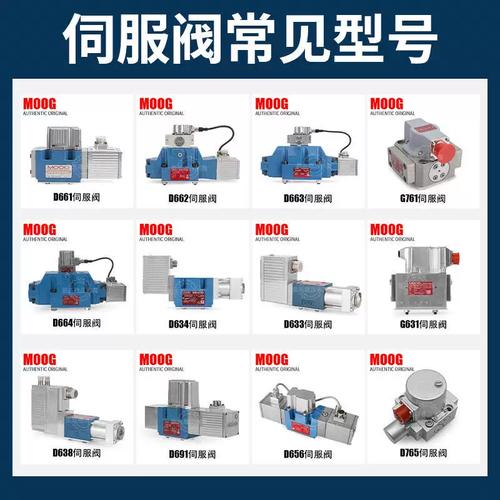 master the basic principles and debugging skills of pressure control.
V. Conclusion
Clamping pressure control is one of the key technologies in die casting process, and its control accuracy is directly related to the quality stability and production efficiency of products. With the development of automation and intelligent technology, the clamping pressure control of die casting machine is developing in a more efficient, accurate and intelligent direction. Enterprises should constantly optimize process parameters and equipment configuration, and improve the overall die casting level to cope with the increasingly fierce market competition.