
What is the role of aging treatment for mechanical valve castings?
In the production and manufacturing process of mechanical valve castings, aging treatment is a common heat treatment process that has a significant effect on improving the mechanical properties and stability of castings, while also improving the internal microstructure and enhancing their performance. This article will elaborate in detail on the definition, role, influencing factors, and process parameters of aging treatment.
First, Definition of Aging Treatment
Aging treatment, also known as natural aging, refers to a heat treatment process carried out after a certain period of time at room temperature for metal materials that have undergone casting, forging, heat treatment, and other processing processes. During this process, the internal microstructure of the metal material will change, thereby improving the mechanical properties of the material.
Second, The Role of Aging Treatment
Improving Mechanical Properties: Aging treatment can significantly improve the mechanical properties of mechanical valve castings, including strength, hardness, wear resistance, etc., thereby extending the service life of the castings.
Improving Internal Microstructure: During the aging treatment process, the grain size of the metal material will be refined, thereby improving the strength and toughness of the material and improving its internal microstructure.
Reducing Residual Stress: Aging treatment can effectively reduce the internal residual stress of castings, prevent cracking and deformation during use, and improve their stability and reliability.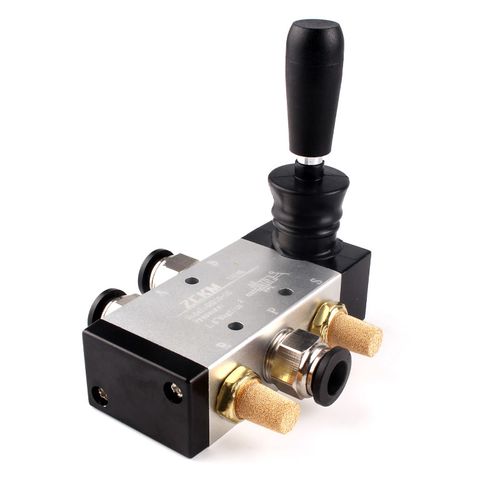
Improving Surface Quality: Aging treatment can also improve the surface quality of castings, making the surface smoother and enhancing their appearance quality.
Three, Influencing Factors of Aging Treatment
Material Type: Different metal materials show different properties and effects during the aging treatment process. Generally, metal materials with higher strength show more obvious aging treatment effects.
Process Parameters: The temperature, time, cooling rate, and other process parameters of aging treatment will affect its effect. The higher the temperature, the more obvious the effect of aging treatment, but excessive temperature may lead to a decrease in material properties.
Manufacturing Process: The effects of casting, forging, heat treatment, and other processes on aging treatment also have an impact. Casting defects in casting processes, deformation in forging processes, and residual stress in heat treatment processes will all affect the effect of aging treatment.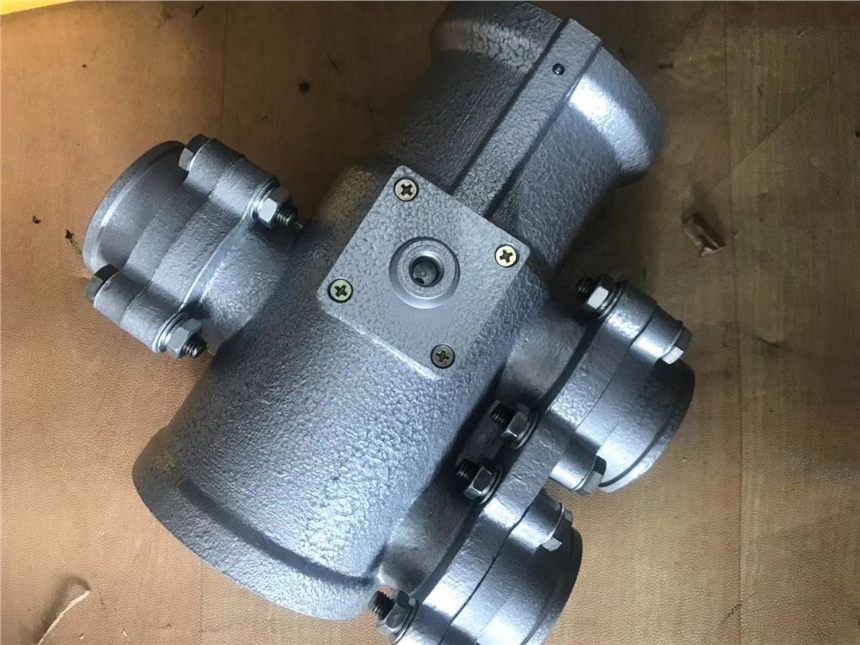
Four, Process Parameters of Aging Treatment
The process parameters of aging treatment mainly include temperature, time, cooling rate, etc. Generally, the higher the temperature, the more obvious the effect of aging treatment, but excessive temperature may lead to a decrease in material properties. The time is usually a few hours to several days, and the cooling rate needs to be controlled according to specific conditions.
In general, aging treatment is an important heat treatment process that can significantly improve the mechanical properties and stability of mechanical valve castings, improve their internal microstructure, reduce residual stress, and enhance surface quality. Therefore, aging treatment plays an important role in the production and manufacturing process of mechanical valve castings.