
The basic structural composition and functions of the components of the mechanical valve
Mechanical valves are a key component widely used in industrial production, automation control, machinery and equipment, and other fields. They achieve precise control of the production process by changing the relative position between the valve core and the valve seat, controlling the flow direction, pressure, and flow rate of the fluid. The basic structural composition of mechanical valves mainly includes valve body, valve core, valve seat, valve cover, and sealing parts. The following will elaborate on the functions of these components in detail.
One, Valve Body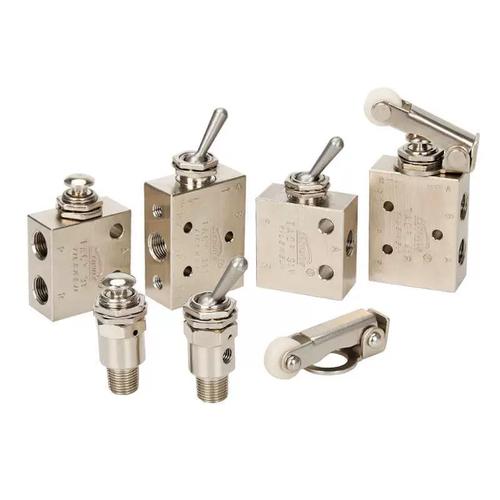
The valve body is the basic part of the mechanical valve, which provides an installation and fixation position for the valve core, valve seat, and other components, and at the same time provides a passage for the fluid flow. The shape and size of the valve body are determined by the installation requirements of the valve core and valve seat. Common valve body shapes include spherical, conical, rectangular, etc. The material of the valve body is usually carbon steel, stainless steel, etc., corrosion-resistant and wear-resistant materials. The material and structural design of the valve body directly affect the service life and working performance of the mechanical valve.
Two, Valve Core
The valve core is a key component of the mechanical valve, which is installed in the center position of the valve body according to the requirements. The shape and size of the valve core are determined by the shape and size of the valve body. The shape of the valve core can be spherical, conical, rectangular, etc., and common valve cores include ball valve core, butterfly valve core, slide valve core, etc. The function of the valve core is to control the flow direction, pressure, and flow rate of the fluid by changing its relative position to the valve seat. The material of the valve core is usually corrosion-resistant and wear-resistant materials, such as stainless steel, carbon steel, etc.
Three, Valve Seat
The valve seat is a key component between the valve core and the valve body, which, together with the valve core, forms the sealing structure between the valve core and the valve body. The shape and size of the valve seat are determined by the shape and size of the valve core. The material of the valve seat is usually corrosion-resistant and wear-resistant materials, such as stainless steel, carbon steel, etc. The function of the valve seat is to ensure the sealing between the valve core and the valve body, preventing fluid leakage.
Four, Valve Cover
The valve cover is an upper component of the mechanical valve, which, together with the valve body, valve seat, and valve core, forms the main structure of the mechanical valve. The function of the valve cover is to protect the valve body, valve seat, valve core, and other components, prevent the external environment from affecting these components, and at the same time provide a position for installation and fixation. The material of the valve cover is usually corrosion-resistant and wear-resistant materials, such as stainless steel, carbon steel, etc.
Five, Sealing Parts
Sealing parts are a key component of mechanical valves, which, together with the valve seat, form the sealing structure between the valve core and the valve body. The function of the sealing part is to ensure the sealing between the valve core and the valve body, preventing fluid leakage. The material of the sealing part is usually corrosion-resistant and wear-resistant materials, such as rubber, polytetrafluoroethylene, etc. The shape and size of the sealing part are determined by the shape and size of the valve seat.
The basic structure and functions of the components of a mechanical valve determine its working performance and service life. When designing and using a mechanical valve, it is necessary to fully consider the functions and roles of each component, choose appropriate materials and structural design, to ensure the normal operation and long-term use of the mechanical valve.