
Test method for the pressure resistance strength of the body of the mechanical valve safety valve
Introduction:
As a key component of equipment safe operation, the working performance of the safety valve directly affects the safety of equipment use. The pressure resistance strength test of the body of the mechanical valve safety valve is a key link to ensure its performance. This article will introduce the test method of the pressure resistance strength test of the body of the mechanical valve safety valve in detail to ensure the safe and reliable operation of the equipment.
One, Overview of Test Methods
Test equipment: The test equipment should meet the requirements of relevant standards, such as ISO 15848-2, ASTM F900, etc. The test equipment should include pressure sources, pressure gauges, pressure regulators, pressure sensors, pressure vessels, test pipelines, and test fittings.
Test medium: Water is usually used as the test medium, and other liquids or gases can also be used. The test medium should be compatible with the medium inside the equipment and should not affect the test results.
Test environment: The test should be carried out under standard atmospheric conditions, i.e., temperature 23±2°C, relative humidity 50±5%. The test environment should be clean, dust-free, and free of corrosive gases.
Two, Test Steps
Preheating: Preheat the valve body to room temperature to avoid the influence of temperature changes on the test results.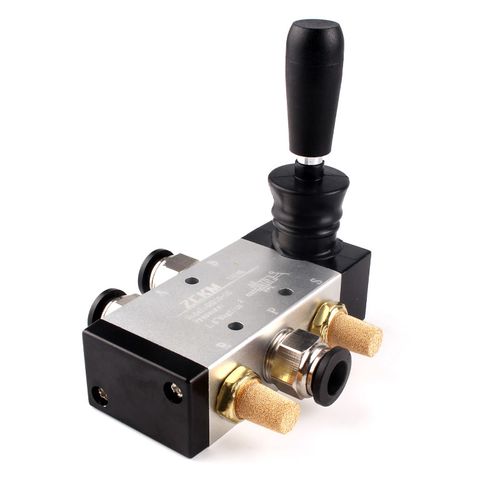
Test pressure: Perform the test pressure according to the test pressure specified by the relevant standards, which should be 1.05 times the nominal pressure of the valve body.
Inspection: Maintain the test pressure for 30 minutes and check if there are any leakage phenomena on the body of the valve. If there is leakage, it should be depressurized and repaired immediately.
Reducing pressure: Reduce the test pressure to 80% of the nominal pressure of the valve body.
Holding pressure: Maintain 80% of the test pressure for 30 minutes and check if there are any leakage phenomena on the body of the valve.
Depressurization: Reduce the test pressure to zero.
Repeat the above steps until the pressure resistance strength test of the valve body is completed.
Three, Test Result Analysis
Check if there are any leakage phenomena on the body of the valve. If there is leakage, it should be depressurized and repaired immediately.
Check if there are any deformation phenomena on the body of the valve. If there is deformation, it should be repaired.
Check if there are any crack phenomena on the body of the valve. If there are cracks, they should be repaired.
Check if there are any corrosion phenomena on the body of the valve. If there is corrosion, it should be repaired.
Check if there are any other damage phenomena on the body of the valve. If there is damage, it should be repaired.
Record test data, including test pressure, holding pressure time, leakage situation, deformation situation, crack situation, corrosion situation, and damage situation.
Four, Test Report
The test report should include test objectives, test equipment, test medium, test environment, test steps, test results, and test conclusions. The test report should be signed and confirmed by the test personnel, reviewers, and approvers.
Five, Conclusion
The pressure resistance strength test of the body of the mechanical valve safety valve is a key link to ensure its performance. The testing method should strictly comply with relevant standards to ensure the accuracy and reliability of the test results. Through the test, the problems existing in the body can be found, and timely repairs can be made to ensure the safe and reliable operation of the equipment.