
Fixture design for the machining of mechanical valve bodies
The machining of mechanical valve bodies is a key link in industrial production, and the fixture, as an indispensable auxiliary tool in mechanical processing, directly affects the machining accuracy, efficiency, and safety. This article will start from the characteristics of the machining of mechanical valve bodies and discuss how to design a suitable fixture.
First, Characteristics of the machining of mechanical valve bodies
High dimensional accuracy: The dimensional accuracy requirements for the machining of mechanical valve bodies are high to meet the usage requirements of the valve body under different working conditions.
Complex shape: The shape of the valve body is complex, and deformation and size changes are prone to occur during the machining process.
High precision requirements: The machining of the valve body requires the assurance of precision in the diameter, axial and radial dimensions of the valve body, as well as the geometric precision such as roundness, coaxiality, and perpendicularity of the valve body.
Precision and stability: During the machining process of the valve body, it is necessary to ensure the stability of the machining precision to meet production requirements.
Second, Fixture design for the machining of mechanical valve bodies
Design the fixture according to the shape of the valve body: Since the valve body has a complex shape, it is necessary to fully consider the shape of the valve body when designing the fixture to ensure that the valve body does not deform during the machining process. For example, a multi-point support method can be adopted to keep the valve body stable in the fixture.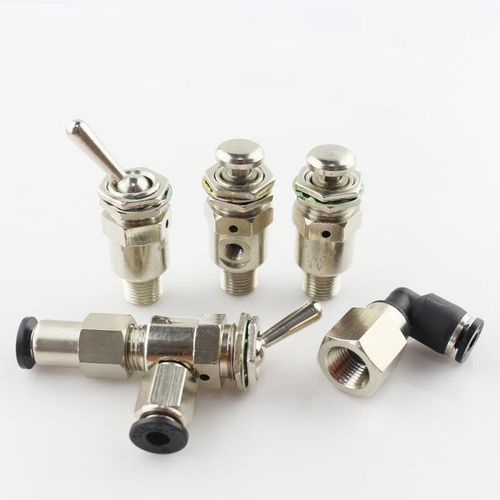
Ensure the positioning accuracy of the valve body: When designing the fixture, it is necessary to consider the positioning accuracy of the valve body to ensure that the valve body does not displace during the machining process. Precise positioning devices such as positioning pins and positioning blocks can be used to ensure the positioning accuracy of the valve body.
Ensure the clamping force of the valve body: When designing the fixture, it is necessary to consider the clamping force of the valve body to ensure that the valve body does not loosen during the machining process. Suitable clamping devices such as clamping blocks and clamping claws can be used to ensure the clamping force of the valve body.
Ensure the stability of the valve body: When designing the fixture, it is necessary to consider the stability of the valve body to ensure that the valve body does not vibrate or sway during the machining process. Suitable support devices such as support blocks and support claws can be used to ensure the stability of the valve body.
Ensure the cooling and heating of the valve body: When designing the fixture, it is necessary to consider the cooling and heating of the valve body to ensure that the valve body does not deform due to temperature changes during the machining process. Cooling and heating devices such as cooling water and heaters can be used to ensure the cooling and heating of the valve body.
Three, Conclusion
In summary, the fixture design for the machining of mechanical valve bodies needs to fully consider factors such as the shape of the valve body, positioning accuracy, clamping force, stability, cooling and heating, etc., to ensure that the valve body does not deform, displace, loosen, vibrate, or sway during the machining process. At the same time, the design of the fixture also needs to consider factors such as processing efficiency and cost to ensure that the design of the fixture is practical and cost-effective.