
As an indispensable power transmission mode in modern industrial equipment, hydraulic system is widely used in construction machinery, aerospace, shipbuilding, automation equipment and other fields. The layout of hydraulic pipeline plays an important role in the design of hydraulic system. Reasonable pipeline layout can not only improve the operating efficiency of the system, but also prolong the service life of the equipment and reduce the failure rate.
First, rationally plan the pipeline direction
The first step of hydraulic pipeline layout is to plan the pipeline direction reasonably. Bending and crossing of pipelines should be avoided as far as possible to reduce fluid resistance and energy loss. At the same time, the pipeline should be kept as straight as possible to reduce the number of unnecessary elbows and joints, thus reducing the risk of leakage. In the case of limited space, elbows with large radius should be used as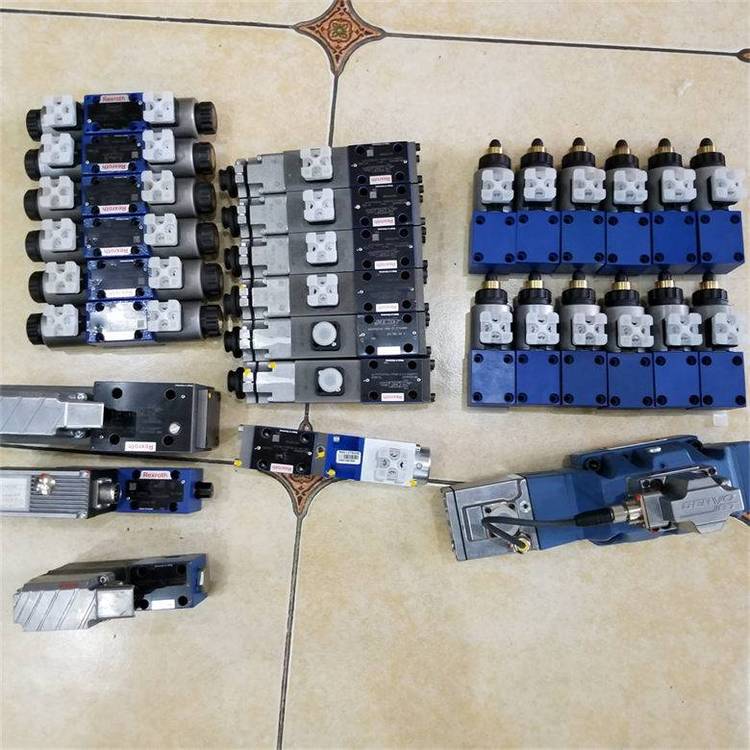 far as possible to avoid local pressure loss and excessive oil flow rate change caused by sharp turns.
Second, consider the convenience of maintenance and overhaul.
When arranging hydraulic pipelines, the convenience of later maintenance and overhaul must be fully considered. Piping should be arranged neatly to facilitate observation and access to various connection points and valves. Sufficient operating space should be reserved for pipelines in key positions for easy disassembly and replacement. In addition, standard parts and universal joints should be used to facilitate the procurement and replacement of spare parts.
Third, avoid the influence of heat source and vibration
Hydraulic oil is sensitive to temperature change, so the pipeline should be far away from heat sources, such as high-temperature parts such as engine and exhaust pipe, to prevent the oil from overheating and causing viscosity reduction or oxidation deterioration. At the same time, pipelines should avoid crossing areas with frequent vibration, or take necessary anti-vibration measures, such as connecting with hoses or installing pipe clamps to prevent fatigue fracture and leakage caused by vibration.
Four, the correct choice of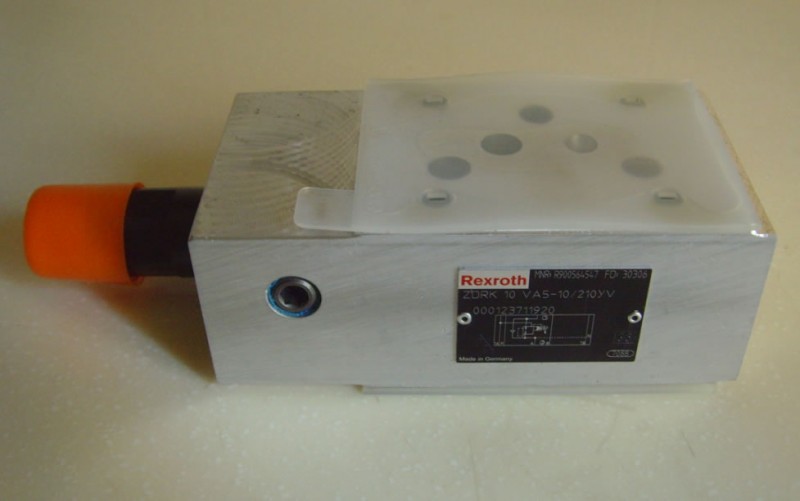 pipe and connection mode
According to the working pressure, flow rate and medium characteristics of the system, steel pipes, hoses or composite pipes are reasonably selected. Seamless steel pipes are mostly used in high-pressure systems, and hoses can be used between low-pressure or moving parts. The connection mode should also be selected according to the actual situation, such as flange connection, welding and sleeve connection, etc., and it is necessary to ensure reliable connection and good sealing.
Five, pay attention to the pipeline support and fixation.
Hydraulic pipelines need to be properly supported and fixed to prevent damage caused by sagging, vibration or friction. Generally, pipe clamps or brackets are set at regular intervals, which is especially important when laying for a long distance. The support shall be firm and reliable, and shall not limit the slight expansion or contraction of the pipeline due to temperature change.
In a word, the layout of hydraulic pipeline is a systematic project, involving fluid mechanics, mechanical design, engineering installation and many other aspects. Only by fully considering various factors in the design stage can we ensure the stability, safety and efficiency of the hydraulic system. Through scientific and reasonable arrangement, not only the equipment performance can be improved, but also the maintenance cost can be effectively reduced and the overall economic benefit can be improved.