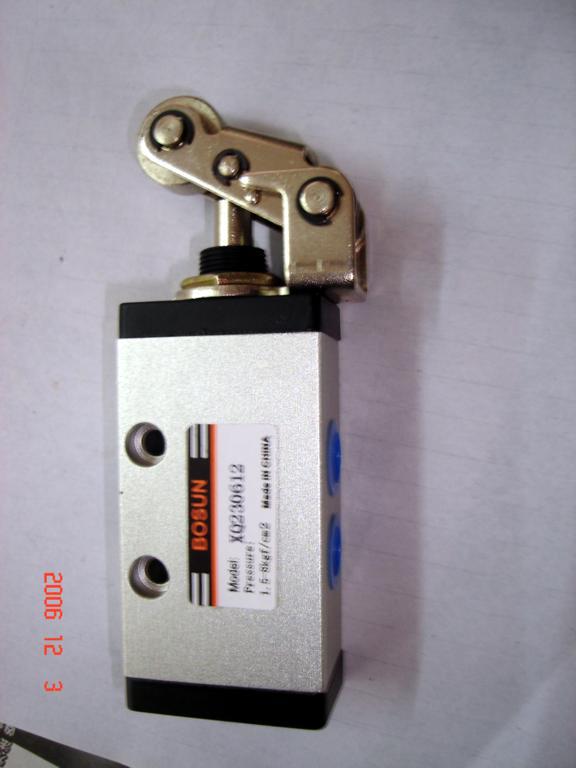
Flaw detection technology and standards for mechanical valve bodies
I. Introduction
The mechanical valve body, as a key component in the mechanical system, its reliability directly affects the overall performance of the system. In order to ensure the quality of the valve body, prevent equipment failures caused by quality problems, improve production efficiency, and reduce production costs, effective flaw detection of the valve body is indispensable. This article will discuss the flaw detection technology and detection standards.
Two, Flaw Detection Technology
Radiographic Testing: Radiographic testing is a non-destructive testing method for the internal structure of valve bodies that utilizes the penetrating ability of X-rays or gamma rays. This method can effectively detect internal cracks, voids, inclusions, and other defects and is one of the commonly used methods for detecting internal defects of valve bodies. However, radiographic testing has radiation, which can be harmful to the human body, and has high technical requirements for the testing personnel, so it is not suitable for some special occasions, such as medical equipment.
Ultrasonic Testing: Ultrasonic testing is a non-destructive testing method for the internal structure of valve bodies that utilizes the principle that ultrasonic waves will produce reflected waves when they encounter defects in the medium. This method is not restricted by materials and can detect internal cracks, voids, inclusions, and other defects, with fast testing speed and low cost. However, the detection accuracy of ultrasonic testing depends on the frequency, angle of the probe, and the experience of the operator, so the testing personnel need to receive professional training.
Magnetic Particle Testing: Magnetic particle testing is a non-destructive testing method for valve body surfaces that utilizes the principle that the degree of magnetization at the defect is different from that of the surrounding medium. This method is suitable for detecting surface cracks, inclusions, folds, and other defects but cannot detect internal defects. Magnetic particle testing is simple to operate, low in cost, but requires certain conditions of the magnetic field and has higher technical requirements for the operators.
Penetrant Testing: Penetrant testing is a non-destructive testing method for valve body surfaces that utilizes the principle that the penetrant cannot penetrate through the defect and accumulates at the defect. This method is suitable for detecting surface cracks, inclusions, folds, and other defects but cannot detect internal defects. Penetrant testing is simple to operate, low in cost, but requires certain conditions of the penetrant and has higher technical requirements for the operators.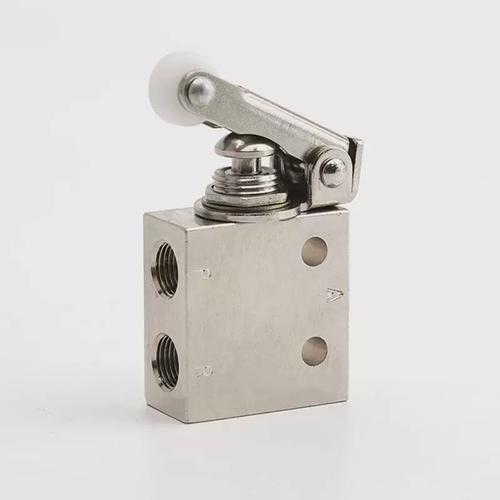
Industry Standards: Industry associations have also formulated standards for valve body flaw detection, such as the
Four, Conclusion
Valve body flaw detection is an important link to ensure valve quality, improve production efficiency, and reduce production costs. This article discusses flaw detection technology and detection standards, hoping to be helpful to the relevant personnel.