
Servo valve is a key executive component in modern industrial control system, which is widely used in hydraulic servo system to accurately control flow, pressure and direction. With the development of embedded technology, more and more servo valve control systems adopt embedded platform for intelligent control. This paper will discuss the basic principle and programming method of embedded control of servo valve.
A brief introduction to the working principle of servo valve
The servo valve can adjust the flow and direction of hydraulic oil by receiving the electrical signal from the controller, so as to realize the high-precision control of the actuator (such as hydraulic cylinder or hydraulic motor). It has high control precision and fast response speed, and is suitable for automation systems with high requirements.
Second, the composition of embedded control system
A typical servo valve embedded control system usually includes the following parts:
1. Embedded processors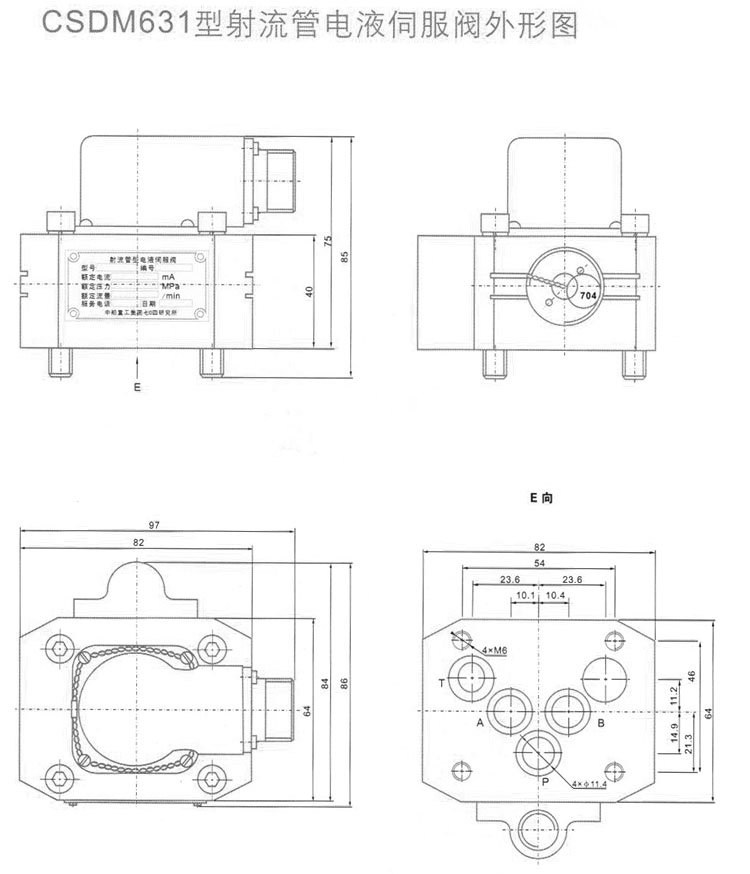 (such as ARM Cortex-M series, STM32, etc.);
2. Analog/digital converter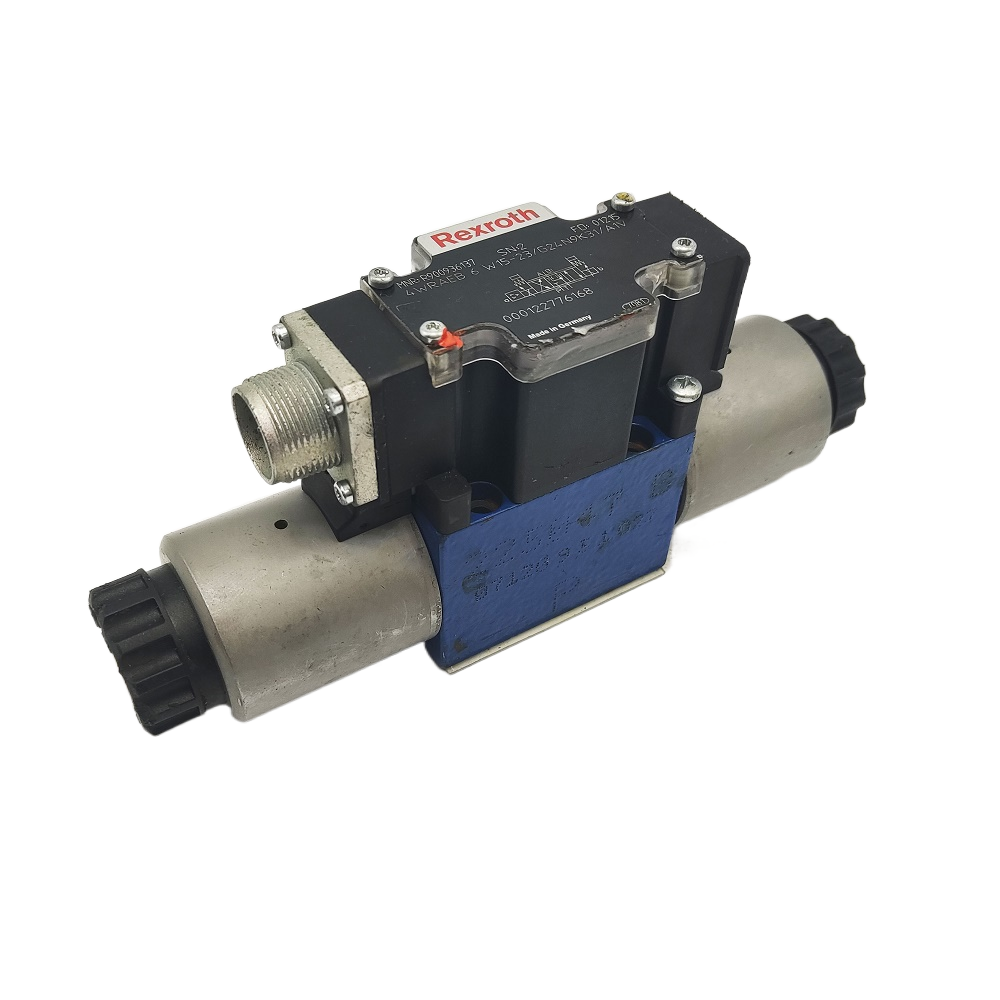 (ADC) is used to collect feedback signals;
3. PWM drive module is used to control the input of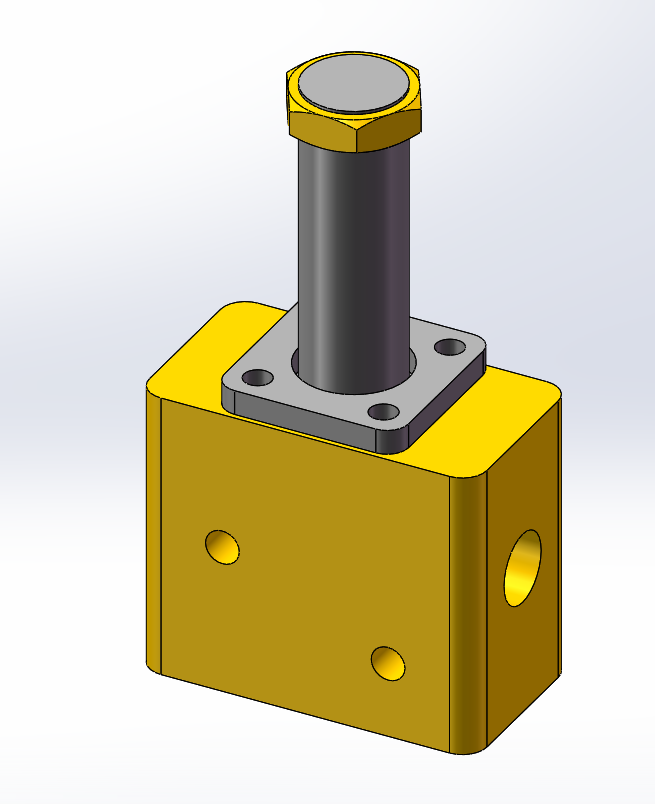 servo valve;
4. Communication interfaces (such as CAN, RS485 and Ethernet) are used to communicate with the upper computer or other equipment;
5. Power management module;
6. Sensor module (pressure, displacement, temperature, etc.).
Three, the basic steps of servo valve control programming
# 1. System Initialization
In the embedded program, the microcontroller needs to be initialized first, including clock configuration, GPIO pin setting, PWM output channel initialization, ADC acquisition channel configuration and so on.
# 2. Signal acquisition and processing
The data of sensors, such as load displacement and pressure feedback, are collected by ADC, which will be used as the input of control algorithm. For example, the displacement sensor is used to measure the actual position of the actuator and compare it with the target position to obtain an error signal.
# 3. Realization of control algorithm
PID control algorithm is the most commonly used in servo valve control. PID controller calculates the control quantity according to the error signal, and then adjusts the duty ratio of PWM output to control the action of servo valve.
“`c
//Simple PID control pseudo code
float error = target_position –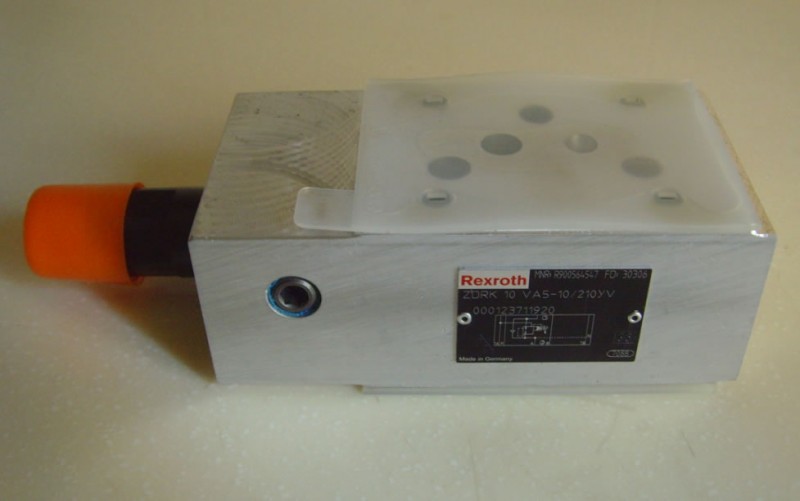 current_position;
integral += error * dt;
float derivative = (error – last_error) / dt;
output = Kp * error + Ki * integral + Kd * derivative;
last_error = error;
//Map output to PWM duty cycle.
pwm_set_duty(output);
“`
# 4. PWM output control
The timer module of microcontroller is used to generate PWM signal to drive servo valve. By adjusting the duty cycle of PWM, the opening of servo valve can be changed, thus controlling the output of hydraulic system.
# 5. Communication and monitoring
Communicate with the upper computer through serial port or CAN bus to realize the functions of parameter setting, state monitoring and fault diagnosis. For example, current pressure and position information can be sent or new control instructions can be received.
# 6. Security Mechanism and Exception Handling
Security mechanisms, such as over-limit alarm, power-off protection and overload protection, should be added to the embedded control program to ensure the stability and security of the system.
Fourth, develop tools and languages
Embedded development usually uses C language or C++ to write programs, and the development environment includes Keil, IAR, STM32CubeIDE, etc. For systems with high real-time requirements, real-time operating systems (RTOS), such as FreeRTOS, can also be used to realize multi-task scheduling and resource management.
V. Summary
Embedded control programming of servo valve is a comprehensive technology integrating hardware and software, which requires developers to master both control theory and embedded system development ability. With the development of Industry 4.0, servo valve control is developing towards intelligence and networking, and embedded programming will play an increasingly important role in it. In the future, the control of servo valve will be more accurate and efficient by combining AI algorithm and edge calculation.
—
References:
1. STM32 embedded system development practical guide
2. Principle of Automatic Control, Hu Shousong
3. Application of industrial field bus and embedded communication technology
4. Practical course of embedded C language programming