
Key Points of Casting System Design for Mechanical Valve Castings
Mechanical valve castings play an important role in modern industry, and their quality directly affects the performance and lifespan of the mechanical valves. In the casting process, the design of the casting system is a crucial link in the production of castings. The quality of the casting system design directly affects the dimensional accuracy, surface quality, and mechanical properties of the casting. Therefore, this article will discuss in detail the key points of the casting system design for mechanical valve castings.
The design of the casting system needs to consider various factors such as the structure, size, shape, material, and production scale of the casting. During the design process, it is necessary to fully consider the structural characteristics of the casting, such as the thickness, wall thickness, holes, interior cavities, and exterior surfaces, to ensure that the casting system can meet the casting requirements of the casting. In addition, the dimensional accuracy, surface quality, and mechanical properties of the casting are also important considerations in the design of the casting system.
Firstly, for mechanical valve castings, the design of the casting system needs to consider the structural characteristics of the casting to ensure that the casting system can smoothly transfer molten metal to all parts of the casting, avoiding problems such as cold shuts, insufficient filling, and uneven filling. At the same time, the design of the casting system also needs to consider the wall thickness and holes of the casting to ensure the dimensional accuracy and surface quality of the casting.
Secondly, the design of the casting system needs to fully consider the material of the casting. Different materials have different requirements for the design of the casting system. For example, for high-alloy steel and alloy cast iron, which are high-strength materials, a reasonable casting system needs to be designed to ensure that molten metal can smoothly enter the casting interior, avoiding problems such as cold shuts and insufficient filling. For cast iron and other low-strength materials, the design of the casting system can be relatively simpler.
Furthermore, the design of the casting system also needs to consider the production scale. For large-scale mechanical valve castings, a reasonable casting system needs to be designed to ensure that molten metal can smoothly enter the casting interior, avoiding problems such as cold shuts and insufficient filling. For small-scale mechanical valve castings, the design of the casting system can be relatively simpler.
Finally, the design of the casting system also needs to take into account the casting process. For example, for mechanical valve castings using pressure casting, a reasonable casting system needs to be designed to ensure that molten metal can smoothly enter the casting interior, avoiding problems such as cold shuts and insufficient filling. For mechanical valve castings using gravity casting, the design of the casting system can be relatively simpler.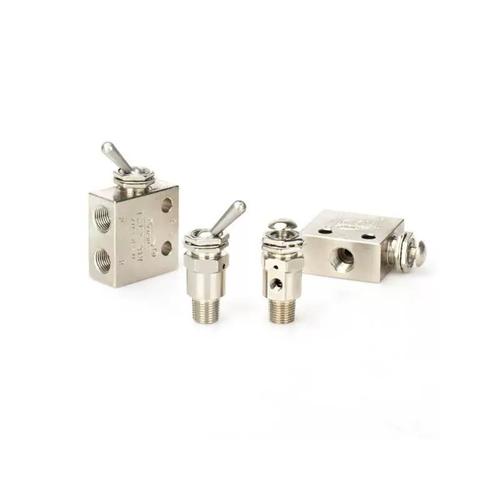
The design of the casting system is a complex and delicate task, which requires comprehensive consideration of various factors such as the structure, size, shape, material, and production scale of the casting. Only by scientifically and reasonably designing the casting system can the quality of the mechanical valve casting be ensured and meet the production requirements.