
Direction of investigation for poor sealing performance of mechanical valves
In industrial automation equipment, mechanical valves are a common type of actuator, and their role in industrial production is crucial. The sealing performance of mechanical valves is directly related to the safety, efficiency, and service life of the production process. However, in actual use, the sealing performance of mechanical valves often has problems, leading to production interruption and affecting production efficiency. Therefore, understanding the investigation direction of poor sealing performance of mechanical valves is of great significance for improving production efficiency, reducing production costs, and ensuring the safe operation of equipment.
Common causes of poor sealing performance of mechanical valves
Material factors: Inappropriate selection of sealing material for mechanical valves is the main reason for poor sealing performance. For example, sealing materials are prone to aging and failure under severe working conditions such as high temperature, high pressure, and corrosive medium, leading to a decrease in sealing performance.
Design factors: Unreasonable structural design of mechanical valves can also lead to poor sealing performance. For example, unreasonable design of the sealing surface between the valve disc and the valve seat, and inappropriate connection method between the valve body and the valve disc, may all lead to poor sealing performance.
Processing technology factors: Unstandardized processing technology, such as insufficient processing accuracy and surface roughness that does not meet the requirements, will affect the sealing performance.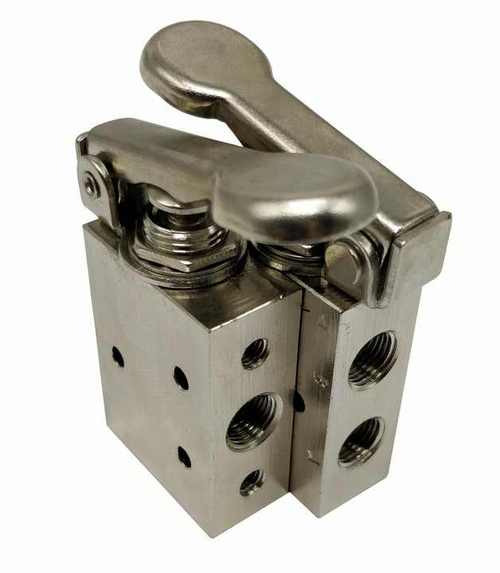
Operating environment factors: During the operation of mechanical valves, if the operating environment is severe, such as high medium temperature, high pressure, strong medium corrosiveness, etc., it will lead to a decrease in sealing performance.
Direction of investigation for poor sealing performance of mechanical valves
Check the sealing material: Check whether the sealing material of the mechanical valve meets the requirements of the operating environment, and whether there are phenomena such as aging or failure. If necessary, replace the sealing material.
Check the sealing surface between the valve disc and the valve seat: Check whether the sealing surface between the valve disc and the valve seat is worn or corroded, and whether there are defects such as scratches or dents. If there are problems, repairs or replacements should be made.
Check the connection method between the valve body and the valve disc: Check whether the connection method between the valve body and the valve disc is appropriate, such as threaded connection, flange connection, etc. If there are problems, repairs or replacements should be made.
Check the processing technology: Check whether the processing technology of the mechanical valve meets the requirements, such as processing accuracy and surface roughness. If there are problems, repairs or replacements should be made.
Check the operating environment: Check whether the working environment of the mechanical valve meets the requirements, such as medium temperature, pressure, corrosiveness, etc. If there are problems, measures should be taken to improve them.
Professional detection: For some complex sealing problems, it may be necessary to use professional detection equipment and technology for investigation. For example, pressure testing and leakage testing can be used for inspection.
Conclusion
The troubleshooting of poor sealing performance of mechanical valves is a complex process that requires comprehensive consideration from multiple aspects such as materials, design, processing technology, and operating environment. Only through comprehensive investigation can the root cause of the problem be found, and then effective measures can be taken to improve the sealing performance of mechanical valves, ensuring safe and efficient operation of production.