
Servo valve is a key component in hydraulic control system, which is widely used in industrial automation, aerospace, robotics, precision machinery and other fields. Its core function is to convert tiny electrical signals into high-precision hydraulic output and realize precise control of hydraulic actuators. Among them, the symmetrical spool servo valve has become the preferred scheme in high-performance servo system because of its advantages of symmetrical structure, fast response speed and high control accuracy.
First, the basic structure of symmetrical spool servo valve
Symmetrical spool servo valve usually consists of valve body, spool, electromagnetic drive device (torque motor or proportional electromagnet), feedback mechanism and hydraulic interface. Its valve core adopts symmetrical structure design, that is, the area of control cavity at both ends of the valve core and the oil passage are symmetrically distributed. This structure ensures that the dynamic response characteristics of the system are consistent under the action of positive and negative control signals, which is helpful to improve the stability and accuracy of control.
Second, the design principle and key parameters
When designing a symmetrical spool servo valve, the following basic principles should be followed:
1. Dynamic response matching: By reasonably selecting the power of the electromagnetic drive device and the quality of the valve core, the rapid response to the change of the control signal is ensured and the lag is reduced.
2. Optimization of flow-pressure characteristics: design the appropriate valve port shape and opening according to the system requirements, so that there is a good linear relationship between flow and control signals.
3. Pressure compensation design: In order to improve the control accuracy, a pressure compensation mechanism is often integrated in the servo valve to reduce the influence of load change on the control accuracy.
4. Sealing and wear resistance: the fit gap between the valve core and the valve body is extremely small, so high-hardness materials and precision machining technology are needed to ensure the stability and sealing performance under long-term use.
III. Key technical difficulties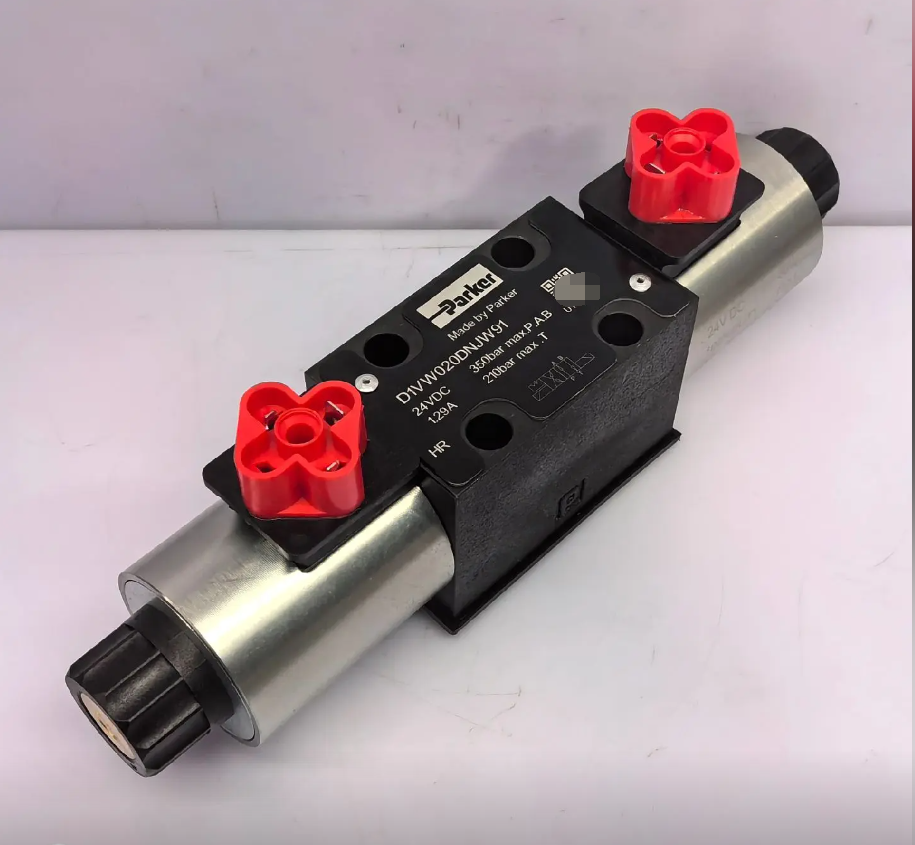 and solutions
1. Zero offset problem: Due to manufacturing error or temperature drift, the valve core may be slightly offset when there is no signal input. Solutions include introducing mechanical zero adjustment device or adopting closed-loop feedback control strategy.
2. Hydraulic clamping phenomenon: under high pressure, the valve core is prone to clamping phenomenon due to oil pollution or uneven fit clearance. It can be relieved by optimizing the surface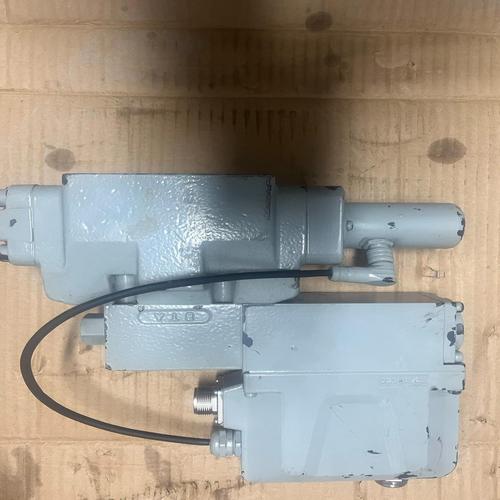 roughness of the valve core, setting anti-sticking grooves or using hydraulic oil with strong anti-pollution ability.
3. High-frequency vibration suppression: High-speed response may cause system resonance. The damping link should be set reasonably or the frequency response compensation technology should be adopted in the design.
Iv. application and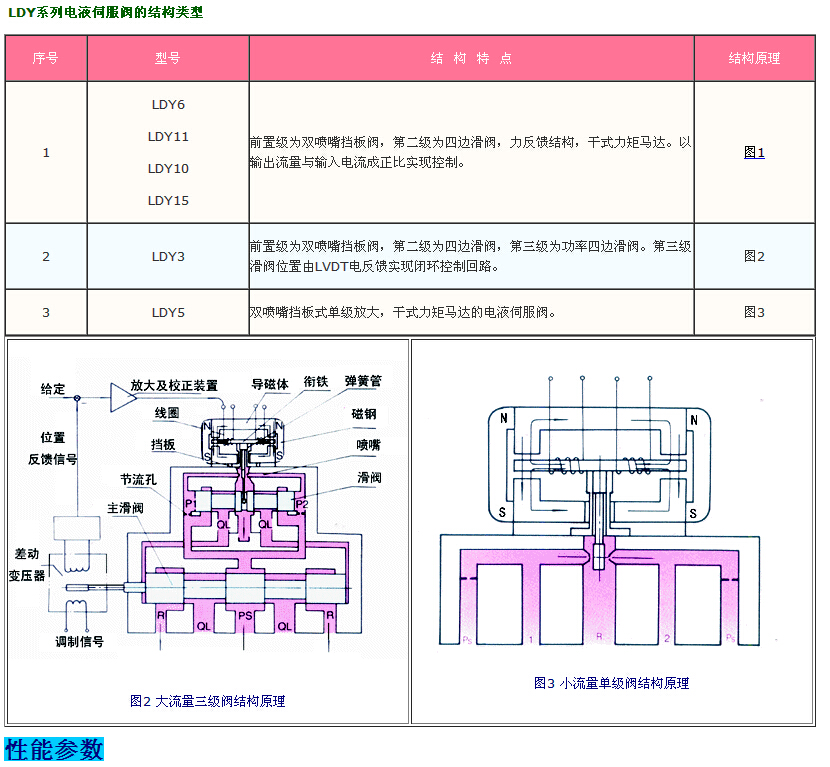 development prospect
With the development of industrial automation and intelligent manufacturing, the position of symmetrical spool servo valve in high performance hydraulic servo system is increasingly prominent. For example, in the flight control system, the servo valve is required to have high reliability and fast response ability; In CNC machine tools, the control accuracy and repetitive positioning ability are emphasized. In the future, with the application of new materials and new technology and the development of intelligent control technology, the symmetric spool servo valve will achieve greater breakthroughs in the direction of miniaturization, intelligence and high integration.
To sum up, the design of symmetric spool servo valve is a multidisciplinary process involving fluid mechanics, electromagnetism, automatic control and precision manufacturing. By continuously optimizing the structure and control strategy, its performance can be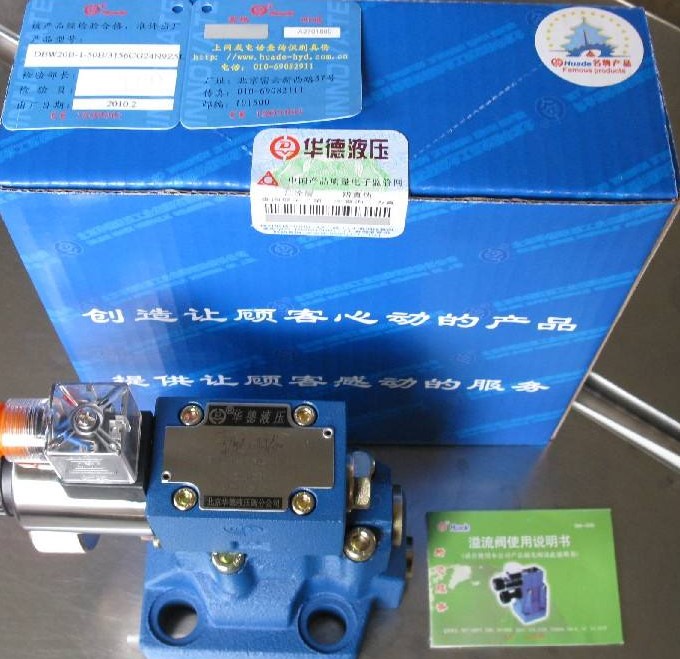 significantly improved to meet the increasingly complex industrial application requirements.
(Word count: about 850 words)