《Debugging Process and Points to Note for Mechanical Valves After Installation》
Mechanical valves play a crucial role in industrial production. They can achieve automatic control in the production process by changing the flow direction, flow rate, and pressure of the fluid. After the installation of the mechanical valve is completed, debugging is a key step, which not only relates to the performance of the mechanical valve but also affects the stability and safety of the entire production system. The following will introduce in detail the debugging process and points to note after the installation of the mechanical valve.
I. Debugging Process of Mechanical Valves After Installation
1. System Inspection
Before debugging the mechanical valve, it is necessary to inspect the entire system first to ensure that all equipment and pipelines are in good working condition. This includes checking for leaks, ensuring that the pipelines are unobstructed, and that the electrical system is normal.
2. Valve Function Test
Test the mechanical valve individually to verify whether its opening and closing functions are normal. When opening, check whether the fluid flow is smooth, and when closing, check whether it can be completely sealed to prevent fluid leakage.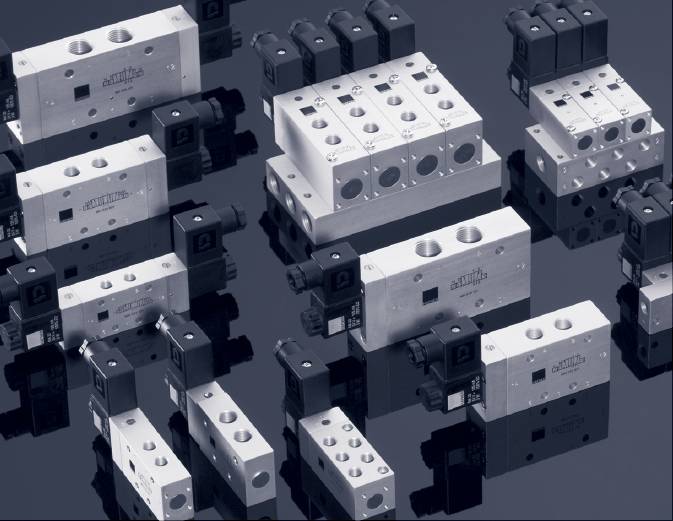
3. Parameter Adjustment
Adjust the opening degree, pressure, flow rate, and other parameters of the valve according to the requirements of the equipment and process to achieve the optimal working state. This step may require repeated experiments until the expected effect is achieved.
4. Fault Exclusion
During the debugging process, some failures may occur, such as the valve not moving or unstable flow rate. At this time, it is necessary to analyze the cause, eliminate the failure, and ensure the normal operation of the valve.
5. Record and Feedback
During the debugging process, record every step and result in detail for subsequent maintenance and improvement. At the same time, feedback the debugging situation to the relevant personnel to ensure that everyone has a clear understanding of the working status of the system.
II. Points to Note for the Debugging of Mechanical Valves After Installation
1. Safety First
Safety is always the top priority during the debugging process. Ensure that all operators are equipped with protective gear to avoid accidents during operation.
2. Strictly Adhere to Operating Procedures
Operate strictly according to the operation manual and safety regulations provided by the equipment manufacturer to avoid equipment damage or accidents due to improper operation.
3. Pay Attention to Equipment Status
Closely monitor the working status of the mechanical valve during the debugging process. In case of abnormal conditions, handle them in a timely manner to avoid the problem from expanding.
4. Detailed Record
During the debugging process, record every step and result in detail, including the opening degree, pressure, flow rate, and other parameters of the valve, as well as the problems encountered and solutions during the debugging process. These records will be helpful for subsequent maintenance and improvement.
5. Training and Communication
Ensure that all personnel involved in the debugging have received the necessary training and maintain good communication during the debugging process to facilitate timely problem-solving.
Through the above detailed debugging process and precautions, it can ensure that the mechanical valve operates normally and stably after installation, thereby improving production efficiency and ensuring production safety.