
First, the basic principle of servo valve
Servo valve is a kind of valve which can accurately control the flow and direction in hydraulic system according to the input electrical signal. It is usually composed of electromagnetic torque motor, nozzle baffle mechanism and main valve core, and has the characteristics of fast response, high control accuracy and good dynamic performance.
Second, the definition and significance of flow characteristics
The flow characteristics of servo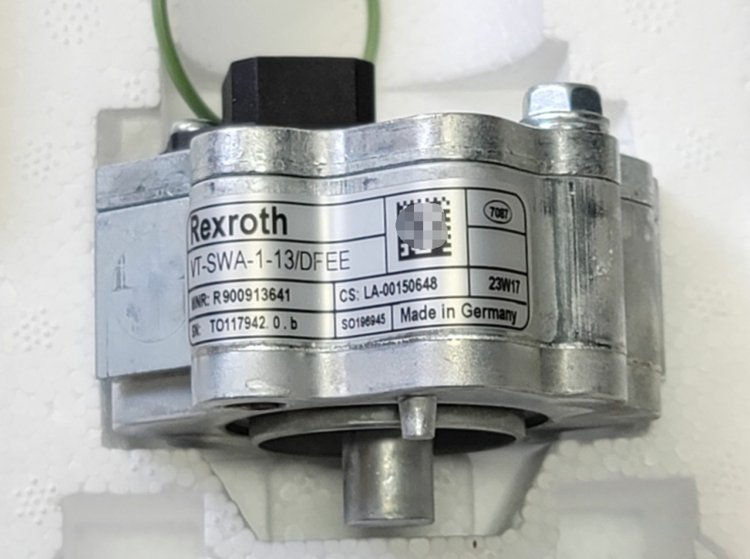 valve mainly refer to the variation law of valve output flow under different control signals. Key parameters include:
-Flow Gain: the change of output flow caused by the change of unit input signal;
-Linearity: deviation between actual flow and ideal straight line;
Hysteresis: the phenomenon that the output flow is inconsistent when the forward and backward input signals change;
-Repeatability: consistency of flow output under the same input signal condition.
These parameters have a direct impact on the dynamic response and control accuracy of the servo system, so they must be evaluated by scientific testing methods.
Third, the servo valve flow characteristics test method
1. Preparation of experimental equipment
The following equipment shall be prepared before the test:
-Hydraulic power source (pumping station);
-Standard measuring oil circuit;
-High-precision flowmeter or differential pressure flowmeter;
-pressure sensor;
-Data acquisition system;
-Programmable signal generator;
-Temperature control system (used to keep the oil temperature constant).
2. Test steps
-Preheating and system stability: start the hydraulic system and make the oil temperature reach the rated working temperature to ensure the stability of the system;
-Establish the test oil circuit: install the servo valve on the test bench and connect the flowmeter, pressure sensor, etc.
-Input control signal: provide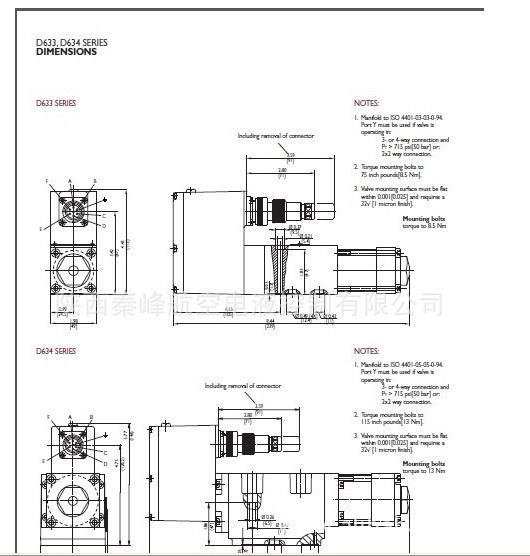 current or voltage signals with different amplitudes to the servo valve through the signal generator, and record the corresponding output flow data;
-Data acquisition: the data acquisition system is used to record parameters such as flow, pressure and temperature under different input signals;
-Analysis of characteristic curve: draw the flow-input signal curve according to the collected data, and analyze the flow gain, linearity and hysteresis.
3. Data analysis and result processing
-Using software to process the collected data and calculate various flow characteristic parameters;
-Compare the standard curve or factory parameters to evaluate whether the servo valve meets the performance requirements;
-If there is any deviation, it is necessary to analyze the reasons, such as whether there are mechanical wear, electromagnetic interference, leakage and other problems.
Fourth, matters needing attention
-Keep the oil temperature constant during the test to avoid the influence of temperature fluctuation on the test results;
-Using high-precision measuring instruments to ensure the reliability of data;
-Regularly calibrate the test equipment to prevent measurement errors;
-Pay attention to safe operation to prevent high-pressure oil leakage or system overload.
V. Conclusion
Through the comprehensive test of the flow characteristics of the servo valve, its performance state can be effectively evaluated, which provides a basis for the optimal design and fault diagnosis of the hydraulic system. With the development of testing technology, more and more automatic testing systems are applied to servo valve testing, which not only improves the testing efficiency, but also improves the accuracy of test results. In the future, combined with intelligent sensing and big data analysis, servo valve testing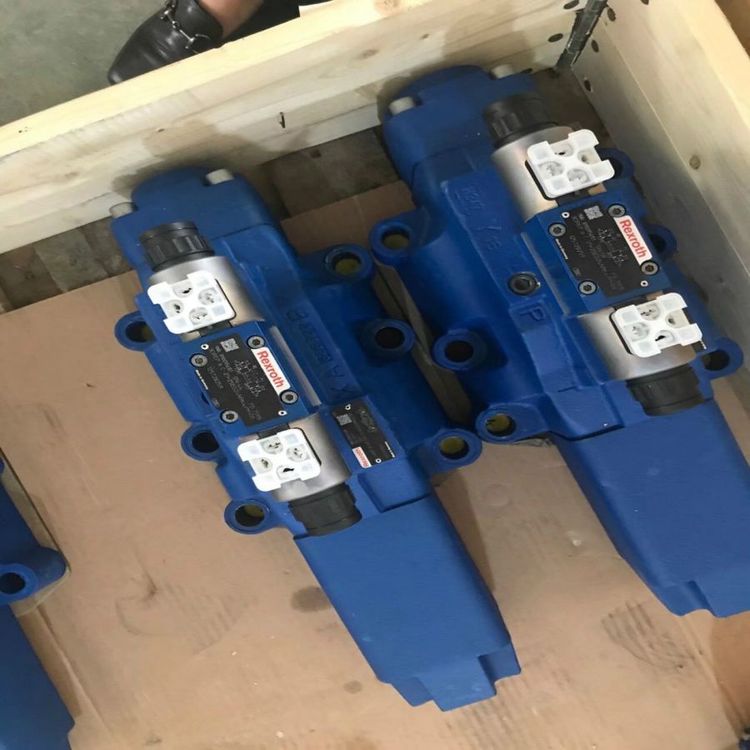 will develop towards higher precision and intelligence.