
Common application scenarios of mechanical valves in different industries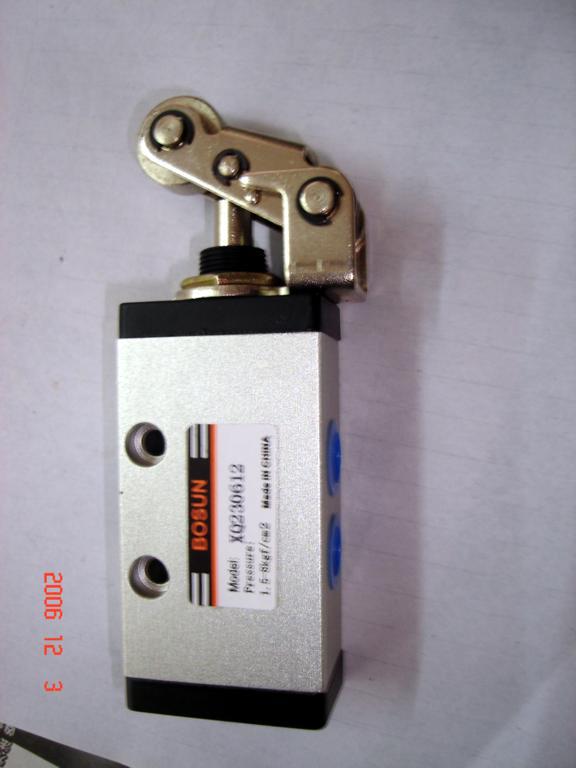
In today’s industrial production, mechanical valves are one of the indispensable equipment, playing a crucial role in various industries. The application of mechanical valves is extensive, from food and beverage, pharmaceutical, chemical, power, oil, natural gas, water treatment, metallurgy, papermaking, textile, electronics, automotive, aviation, and other fields, all of which cannot do without the auxiliary role of mechanical valves. There are many types of mechanical valves, such as gate valves, stop valves, ball valves, butterfly valves, check valves, safety valves, and regulating valves, which play different roles in different industries and scenarios.
In the food and beverage industry, mechanical valves are mainly used for liquid transportation and gas control in the production process, such as in filling machines, sealing machines, and cleaning machines. Their main function is to ensure the stability of parameters such as liquid and gas flow, pressure, and direction in the production process, ensuring the continuity and stability of the production process. At the same time, mechanical valves can effectively prevent cross-contamination, ensure the safety and hygiene of products. For example, in filling machines, mechanical valves can accurately control the filling amount to ensure that the filling amount of each bottle is consistent, thus ensuring the quality of the product. In sealing machines, mechanical valves can control the temperature and pressure of the seal to ensure the firmness and sealing of the seal.
In the pharmaceutical industry, mechanical valves are used for controlling liquids and gases in the production process, such as in filtration, mixing, filling, and sealing stages. Their main function is to ensure the stability of parameters such as liquid and gas flow, pressure, and direction in the production process, prevent contamination and cross-contamination, and ensure the quality and safety of medicines. For example, in the filtration stage, mechanical valves can control the flow of filtrate to prevent contamination of the filtrate. In the filling stage, mechanical valves can control the filling amount to prevent deviations in the filling amount. In the sealing stage, mechanical valves can control the temperature and pressure of the seal to prevent loose and unsealed seals.
In the chemical industry, mechanical valves are mainly used for controlling liquids and gases in the production process, such as in reaction, separation, distillation, absorption, extraction, and drying stages. Their main function is to ensure the stability of parameters such as liquid and gas flow, pressure, and direction in the production process, prevent contamination and cross-contamination, and ensure the quality and safety of chemical products. For example, in the reaction stage, mechanical valves can control the flow of reaction liquid to prevent contamination of the reaction liquid. In the distillation stage, mechanical valves can control the flow of distillation liquid to prevent contamination of the distillation liquid. In the absorption stage, mechanical valves can control the flow of absorption liquid to prevent contamination of the absorption liquid.
In the power industry, mechanical valves are mainly used for controlling gases in the production process, such as in generators, transformers, switchgear, and other equipment. Their main function is to control parameters such as gas flow, pressure, and direction to ensure the normal operation of power equipment. For example, in generators, mechanical valves can control the intake and exhaust of the generator to ensure its normal operation. In transformers, mechanical valves can control the intake and exhaust of transformers to ensure their normal operation. In switchgear, mechanical valves can control the intake and exhaust of switchgear to ensure its normal operation.
In the oil and gas industry, mechanical valves are mainly used for the control of liquids and gases in the production process, such as drilling, oil production, oil transportation, gas transportation, refining, and chemical processing, etc. Their main function is to ensure the stability of parameters such as flow rate, pressure, and direction of liquids and gases in the production process, prevent contamination and cross-contamination, and ensure the quality and safety of oil and gas products. For example, in the drilling process, mechanical valves can control the flow rate of drilling fluid to prevent contamination of the drilling fluid. In the oil production process, mechanical valves can control the flow rate of oil production fluid to prevent contamination of the oil production fluid. In the oil transportation process, mechanical valves can control the flow rate of oil to prevent contamination of the oil. In the gas transportation process, mechanical valves can control the flow rate of gas to prevent contamination of the gas.
In the water treatment industry, mechanical valves are mainly used for the control of liquids in the production process, such as filtration, sedimentation, disinfection, dosing, and discharge, etc. Their main function is to ensure the stability of parameters such as flow rate, pressure, and direction of liquids in the production process, prevent contamination and cross-contamination, and ensure the quality and safety of water treatment products. For example, in the filtration process, mechanical valves can control the flow rate of filtrate to prevent contamination of the filtrate. In the disinfection process, mechanical valves can control the flow rate of disinfectant to prevent contamination of the disinfectant. In the dosing process, mechanical valves can control the flow rate of dosing liquid to prevent contamination of the dosing liquid.
In the metallurgical industry, mechanical valves are mainly used for the control of gases in the production process, such as smelting, refining, rolling, heat treatment, etc. Their main function is to ensure the stability of parameters such as flow rate, pressure, and direction of gases in the production process, prevent contamination and cross-contamination, and ensure the quality and safety of metallurgical products. For example, in the smelting process, mechanical valves can control the flow rate of smelting gas to prevent contamination of the smelting gas. In the refining process, mechanical valves can control the flow rate of refining gas to prevent contamination of the refining gas. In the rolling process, mechanical valves can control the flow rate of rolling gas to prevent contamination of the rolling gas.
In the papermaking industry, mechanical valves are mainly used for the control of liquids in the production process, such as pulping, pressing, drying, sizing, coating, etc. Their main function is to ensure the stability of parameters such as flow rate, pressure, and direction of liquids in the production process, prevent contamination and cross-contamination, and ensure the quality and safety of paper products. For example, in the pulping process, mechanical valves can control the flow rate of pulping liquid to prevent contamination of the pulping liquid. In the pressing process, mechanical valves can control the flow rate of pressing liquid to prevent contamination of the pressing liquid. In the drying process, mechanical valves can control the flow rate of drying liquid to prevent contamination of the drying liquid.
In the textile industry, mechanical valves are mainly used for the control of liquids and gases in the production process, such as spinning, weaving, dyeing, finishing, and packaging. Their main function is to ensure the stability of the flow, pressure, and direction of liquids and gases during the production process, prevent contamination and cross-contamination, and guarantee the quality and safety of textile products. For example, in the spinning stage, mechanical valves can control the flow of spinning liquids to prevent contamination of the spinning liquids. In the weaving stage, mechanical valves can control the flow of weaving liquids to prevent contamination of the weaving liquids. In the dyeing stage, mechanical valves can control the flow of dyeing liquids to prevent contamination of the dyeing liquids. In the finishing stage, mechanical valves can control the flow of finishing liquids to prevent contamination of the finishing liquids.
In the electronics industry, mechanical valves are mainly used for the control of gases in the production process, such as circuit board manufacturing, welding, cleaning, assembly, testing, and packaging. Their main function is to ensure the stability of the flow, pressure, and direction of gases during the production process, prevent contamination and cross-contamination, and guarantee the quality and safety of electronic products. For example, in the circuit board manufacturing stage, mechanical valves can control the flow of gases in the circuit board manufacturing process to prevent contamination of the manufacturing gases. In the welding stage, mechanical valves can control the flow of welding gases to prevent contamination of the welding gases. In the cleaning stage, mechanical valves can control the flow of cleaning gases to prevent contamination of the cleaning gases. In the assembly stage, mechanical valves can control the flow of assembly gases to prevent contamination of the assembly gases. In the testing stage, mechanical valves can control the flow of testing gases to prevent contamination of the testing gases. In the packaging stage, mechanical valves can control the flow of packaging gases to prevent contamination of the packaging gases.
In the automotive and aviation industries, mechanical valves are mainly used for the control of liquids and gases in the production process, such as engines, gearboxes, brakes, air conditioning, fuel, hydraulics, and other aspects. Their main function is to ensure the stability of the flow, pressure, and direction of liquids and gases during the production process, prevent contamination and cross-contamination, and guarantee the quality and safety of automotive and aviation products. For example, in the engine stage, mechanical valves can control the flow of engine fluids to prevent contamination of the engine fluids. In the gearbox stage, mechanical valves can control the flow of gearbox fluids to prevent contamination of the gearbox fluids. In the braking stage, mechanical valves can control the flow of brake fluids to prevent contamination of the brake fluids. In the air conditioning stage, mechanical valves can control the flow of air conditioning fluids to prevent contamination of the air conditioning fluids. In the fuel stage, mechanical valves can control the flow of fuel fluids to prevent contamination of the fuel fluids. In the hydraulic stage, mechanical valves can control the flow of hydraulic fluids to prevent contamination of the hydraulic fluids.
In summary, mechanical valves play a crucial role in various industries. They control the flow, pressure, and direction of liquids and gases at all stages, ensuring the continuity and stability of the production process, preventing contamination and cross-contamination, and guaranteeing the quality and safety of products. Therefore, choosing the appropriate mechanical valve is crucial for ensuring the normal operation of the production process and the quality of products.