
Electromagnetic servo valve is a very important high-precision control element in modern hydraulic control system, which is widely used in aerospace, industrial automation, robot control and other fields. Its core function is to control the flow and direction of hydraulic oil through electrical signals, so as to realize accurate control of actuators (such as hydraulic cylinders or hydraulic motors). As a prerequisite for the servo valve to work, “electrifying” directly affects its performance and stability. This paper will introduce the principle, steps and matters needing attention of electromagnetic servo valve in detail.
First, the basic structure and working principle of electromagnetic servo valve
Electromagnetic servo valve consists of electromagnetic coil, armature, spring, slide valve and other parts. Its working principle is based on electromagnetic induction: when the coil is electrified, it generates a magnetic field, which drives the armature to move, thus driving the slide valve to change its position and realize the opening or closing of the hydraulic channel.
Servo valve usually uses proportional electromagnet or torque motor as driving element, which can accurately control the opening and flow direction of the valve according to the magnitude and direction of input current. Therefore, the correct power-on mode is very important for the normal work of the servo valve.
Second, the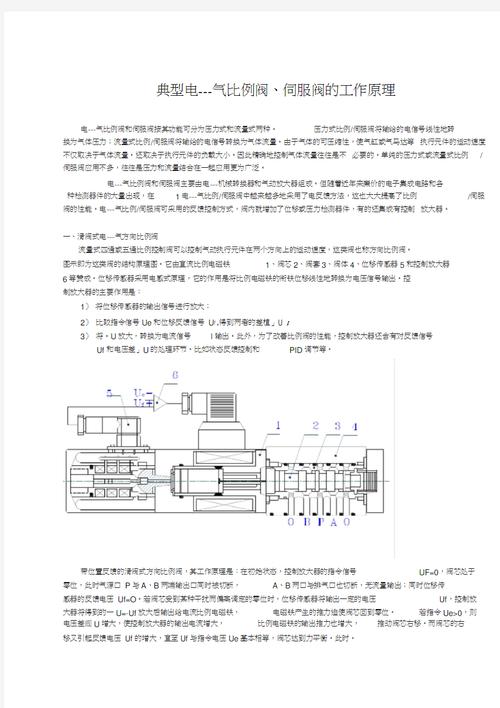 electromagnetic servo valve power flow
1. Check the connection between power supply and line.
Before electrifying, first confirm whether the voltage level of the power supply matches the servo valve (such as the common ±15V and 24V DC power supply), and ensure that the lines are connected correctly without short circuit or poor contact.
2. Confirm the control signal input
Servo valves usually need to provide control signals through controllers (such as PLC or servo amplifiers). Before power-on, it should be confirmed whether the control signal has been correctly connected and is in the initial state (such as zero).
Step 3: Apply voltage gradually
In order to avoid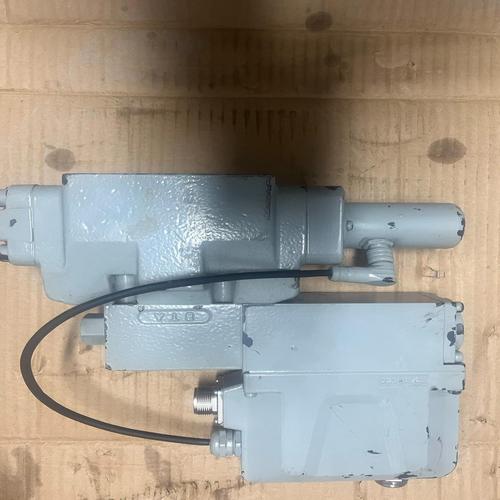 damage to the coil caused by current shock, it is suggested to apply power step by step. For example, first connect a small voltage to observe the response of the valve, and then gradually increase it to the rated voltage.
4. Monitor the working status
Observe whether the servo valve has abnormal noise, fever or vibration after electrifying. If there is any abnormality, power off and check immediately.
Third, the matters needing attention when electrifying
-Avoid reverse energization: the electromagnetic coil has polarity requirements, and reverse energization may lead to saturation of the magnetic circuit and affect the control accuracy.
-Prevention of overload: The energized current must not exceed the rated value of the coil, otherwise it may burn the coil.
-Keep the environment dry: A humid environment may lead to coil insulation failure, which may affect the power-on safety.
-Regular inspection: During long-term operation, terminals, relays and other components should be inspected regularly to prevent failures caused by aging.
IV. Conclusion
Although the electrification process of electromagnetic servo valve seems simple, it involves complex electromagnetic and hydraulic coupling control. Only on the basis of correct understanding of its working principle and strict operation according to the specifications can the servo valve operate stably and reliably. With the continuous improvement of industrial automation level, the application of electromagnetic servo valve will be more extensive. It is of great significance to master its electrification principle and operation method for improving equipment control accuracy and system reliability.