
Analysis of the impact of the structural characteristics of mechanical valves on performance
One, Introduction
As fluid control devices, mechanical valves are increasingly widely used in industrial production and daily life, and their structural characteristics have a direct impact on the performance of the valves. This article will start from the structural characteristics of mechanical valves and discuss their impact on valve performance, aiming to provide a reference for the design and application of mechanical valves.
Two, the structural characteristics of mechanical valves
The structural characteristics of mechanical valves are mainly reflected in their structural forms, driving methods, sealing performance, and regulating performance, etc. The structural forms of mechanical valves mainly include straight-through, angle, right-angle, tee, four-way, single seat, double seat, diaphragm, sleeve, butterfly, ball, plug, sliding valve, and other forms, which are suitable for different application scenarios and can meet the fluid control needs under different working conditions. The driving methods include manual, electric, pneumatic, hydraulic, and gas-liquid linkage, etc., which can meet different driving requirements. In terms of sealing performance, the sealing performance of mechanical valves directly affects the service life and reliability of the valves, while the regulating performance directly affects the control accuracy and stability of the valves. Therefore, the structural characteristics of mechanical valves have a crucial impact on the performance of the valves.
Three, the structural characteristics of mechanical valves have an impact on performance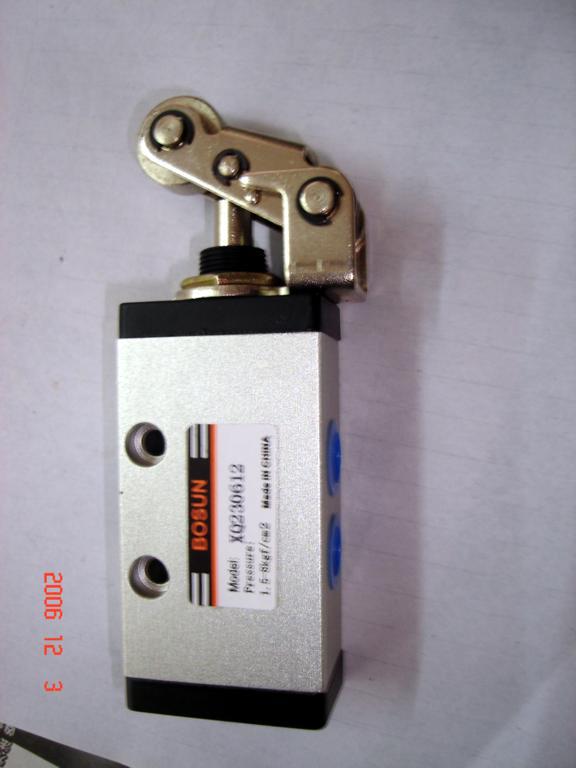
The influence of structural form on performance
The direct-connection type mechanical valve has a simple structure and low fluid flow resistance, and is suitable for occasions with large flow rate and high pressure. The angular type mechanical valve is compact in structure and has a large flow area, and is suitable for occasions with small flow rate and high pressure. The three-way and four-way mechanical valves can achieve functions such as and of fluids, and are suitable for occasions that require complex fluid control. The right-angle and sleeve-type mechanical valves are compact in structure and have a large flow area, and are suitable for occasions with small flow rate and high pressure. The single-seat and double-seat mechanical valves have a simple structure and low fluid flow resistance, and are suitable for occasions with large flow rate and low pressure. The diaphragm-type mechanical valve has good sealing performance and is suitable for occasions with flammable and explosive, toxic and harmful media. The butterfly, ball, plug, and slide valve mechanical valves have good regulating performance and are suitable for occasions that require precise control.
The influence of driving mode on performance
Manual mechanical valves have a simple structure and low cost, and are suitable for small and simple occasions. Electric mechanical valves have a complex structure and high cost, and are suitable for occasions that require remote control. Pneumatic mechanical valves have a simple structure and moderate cost, and are suitable for occasions that require rapid response. Hydraulic mechanical valves have a complex structure and high cost, and are suitable for occasions that require large flow rate and high pressure. Pneumatic-hydraulic mechanical valves have a complex structure and high cost, and are suitable for occasions that require precise control.
The influence of sealing performance on performance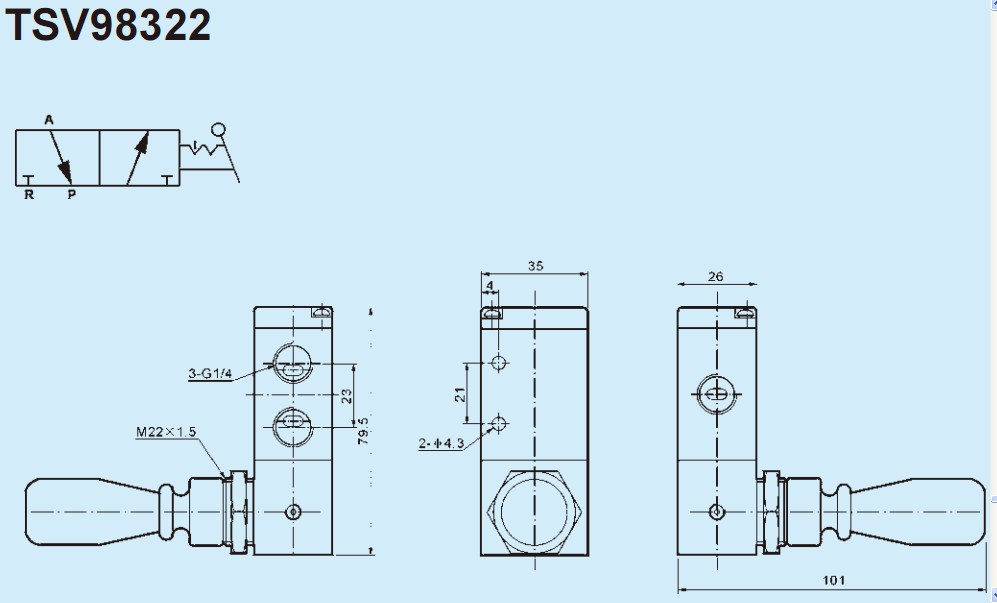 @@@@@@@@@@@@@@@@@@@@@@
The sealing performance of mechanical valves directly affects the service life and reliability of valves, and this performance is influenced by factors such as the material of the valve body, the material of the sealing surface, the processing technology of the sealing surface, the material of the sealing ring, and the structure of the sealing ring. Good sealing performance can prevent fluid leakage, improve the control accuracy and stability of valves, and extend the service life of valves. Therefore, the sealing performance of mechanical valves has a crucial impact on the performance of valves.
The influence of regulating performance on performance
The regulating performance of mechanical valves directly affects the control accuracy and stability of valves, and this performance is influenced by factors such as the structure of the valve core, the structure of the valve seat, the structure of the valve stem, the stroke of the valve core, and the regulating range of the valve core stroke. Good regulating performance can achieve precise control and improve the control accuracy and stability of valves. Therefore, the regulating performance of mechanical valves has a crucial impact on the performance of valves.
Four, Conclusion
In summary, the structural characteristics of mechanical valves have a direct impact on the performance of valves. In practical applications, it is necessary to reasonably select the structural form, driving mode, sealing performance, and regulating performance of mechanical valves according to specific usage requirements and working conditions to meet the needs of fluid control and improve the performance and reliability of valves.