
Principles and Functions of Cold Iron Placement for Mechanical Valve Castings
Definition and Function of Cold Iron
Cold iron is a type of metal casting used in the metal casting process to control the internal stress of the casting, improve the internal structure of the casting, reduce the internal stress of the casting, and enhance the mechanical properties and casting process properties of the casting. The reasonable placement of cold iron inside the casting can reduce the internal stress of the casting, improve the mechanical properties of the casting, ensure the dimensional accuracy of the casting, and improve the surface quality of the casting. The reasonable placement of cold iron inside the casting can effectively improve the solidification sequence of the casting, control the stress distribution inside the casting, and thus improve the mechanical properties and casting process properties of the casting.
Two, the classification of chilled iron
According to the placement position of chilled iron inside the casting, chilled iron can be divided into top chilled iron, bottom chilled iron, and side chilled iron. Top chilled iron and bottom chilled iron are classified according to the different placement positions of chilled iron, while side chilled iron is classified according to the lateral placement position of chilled iron.
Top chilled iron: Place the chilled iron at the top of the casting to control the solidification of the top area of the casting, thereby reducing the internal stress of the top area of the casting. Top chilled iron can effectively reduce the internal stress of the top area of the casting and improve the mechanical properties and casting process properties of the casting.
Bottom chilled iron: Place the chilled iron at the bottom of the casting to control the solidification of the bottom area of the casting, thereby reducing the internal stress of the bottom area of the casting. Bottom chilled iron can effectively reduce the internal stress of the bottom area of the casting and improve the mechanical properties and casting process properties of the casting.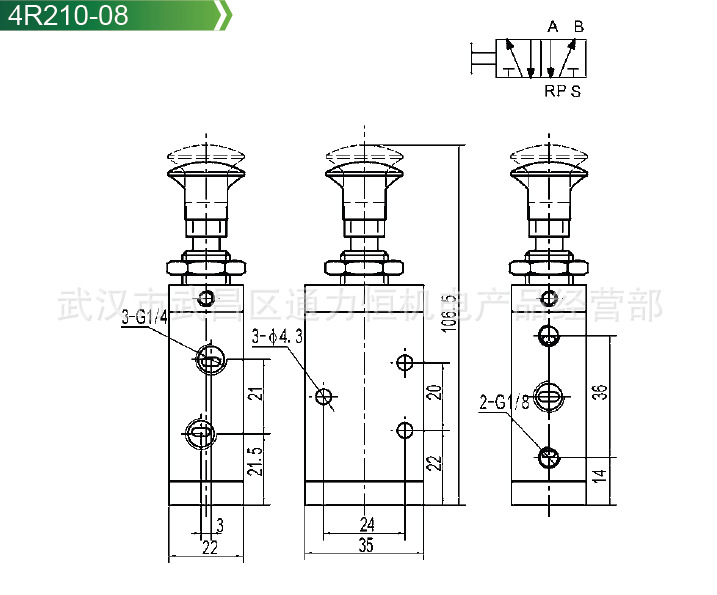
Side chilled iron: Place the chilled iron on the side of the casting to control the solidification of the side area of the casting, thereby reducing the internal stress of the side area of the casting. Side chilled iron can effectively reduce the internal stress of the side area of the casting and improve the mechanical properties and casting process properties of the casting.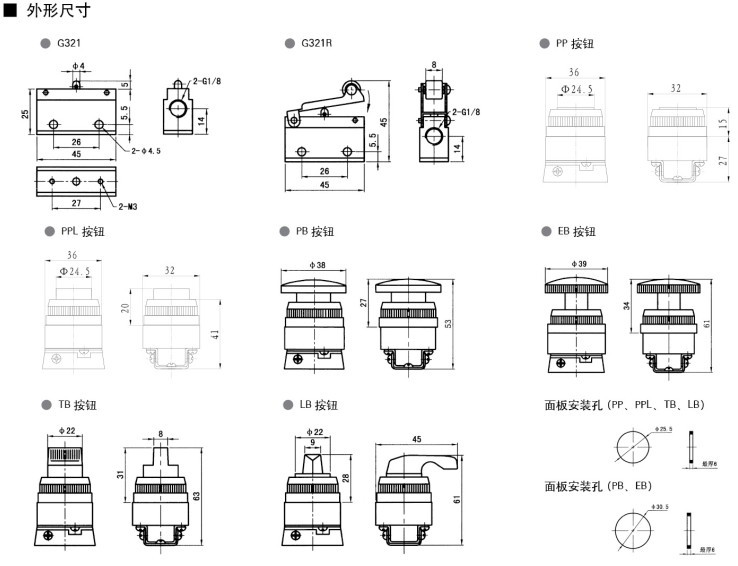
Three, the placement principles of chilled iron
The placement principles of chilled iron mainly include the following points:
The placement position of chilled iron should be conducive to the solidification sequence of the casting, that is, the placement position of chilled iron should make the solidification sequence inside the casting meet the mechanical property requirements of the casting.
The size of chilled iron should be selected according to the size of the casting and the solidification characteristics of the material to ensure that the placement of chilled iron will not have a negative impact on the dimensional accuracy and surface quality of the casting.
The shape of chilled iron should be selected according to the shape of the casting and the solidification characteristics of the material to ensure that the placement of chilled iron will not have a negative impact on the mechanical properties of the casting.
The material of chilled iron should be selected according to the material of the casting and the solidification characteristics of the material to ensure that the placement of chilled iron will not have a negative impact on the mechanical properties of the casting.
The placement of chilled iron should be selected according to the production conditions of the casting to ensure that the placement of chilled iron will not have a negative impact on the production efficiency of the casting.
Four, the placement methods of chilled iron
The placement methods of chilled iron mainly include the following:
Welding method: Weld the chilled iron inside the casting to ensure that the placement of chilled iron will not have a negative impact on the dimensional accuracy and surface quality of the casting.
Casting method: Cast the chilled iron inside the casting to ensure that the placement of chilled iron will not have a negative impact on the mechanical properties of the casting.
Welding casting method: Weld the chilled iron inside the casting, and then cast the chilled iron inside the casting to ensure that the placement of chilled iron will not have a negative impact on the dimensional accuracy and surface quality of the casting, while also ensuring that the placement of chilled iron will not have a negative impact on the mechanical properties of the casting.
The placement principle and method selection of chilled iron require comprehensive consideration of factors such as casting material, size, and production conditions to ensure that the placement of chilled iron will not have a negative impact on the dimensional accuracy, surface quality, and mechanical properties of the casting.