
Strategies for reasonable arrangement of the processing process of the mechanical valve body
The mechanical valve is an indispensable and important component in industrial automation equipment, and its quality is directly related to the operation efficiency and safety of the equipment. The processing process of the valve body is a key link in the manufacturing of mechanical valves, and reasonable arrangement of the process can effectively improve production efficiency and ensure product quality. Below, this article will discuss in detail how to reasonably arrange the processing process of the mechanical valve body.
First, understand the process flow of valve body processing procedures
The processing procedures of mechanical valve bodies usually include blank preparation, mechanical processing, heat treatment, surface treatment, inspection, and assembly. Blank preparation involves selecting appropriate materials according to design drawings and manufacturing valve body blanks through forging, casting, and stamping methods; mechanical processing involves turning, milling, and grinding methods to process blanks into the required shapes and sizes; heat treatment involves changing the internal organizational structure of the valve body material through heating and cooling to improve the strength and toughness of the material; surface treatment includes plating, shot blasting, and painting, which improve the corrosion resistance and aesthetics of the valve body; inspection involves measuring and checking to ensure that the performance indicators of the valve body meet the requirements; assembly involves assembling the valve body with other components to form a complete mechanical valve.
Second, optimize the processing procedures
Formulating a reasonable production plan
According to the production requirements and production capacity of mechanical valves, formulate a reasonable production plan, arrange production tasks in a reasonable manner, and avoid the concentration or dispersion of production tasks, which may lead to waste of production resources.
Optimizing process sequence
Process sequence is a key factor affecting production efficiency. Process sequences should be reasonably arranged based on factors such as the difficulty of the process and the utilization rate of the equipment. For example, processes with high precision requirements should be carried out first, followed by those with lower precision requirements, to ensure product quality; processes with high equipment utilization rates should be carried out first, followed by those with lower utilization rates, to improve equipment utilization.
Rationally configuring production equipment
According to the characteristics of the valve body processing procedures and the performance of the equipment, rationally configure production equipment. For example, multiple lathes, milling machines, and other processing equipment can be configured to improve processing efficiency; multiple heat treatment furnaces can be configured to improve heat treatment efficiency; and multiple shot blasting and painting machines for surface treatment can be configured to improve surface treatment efficiency.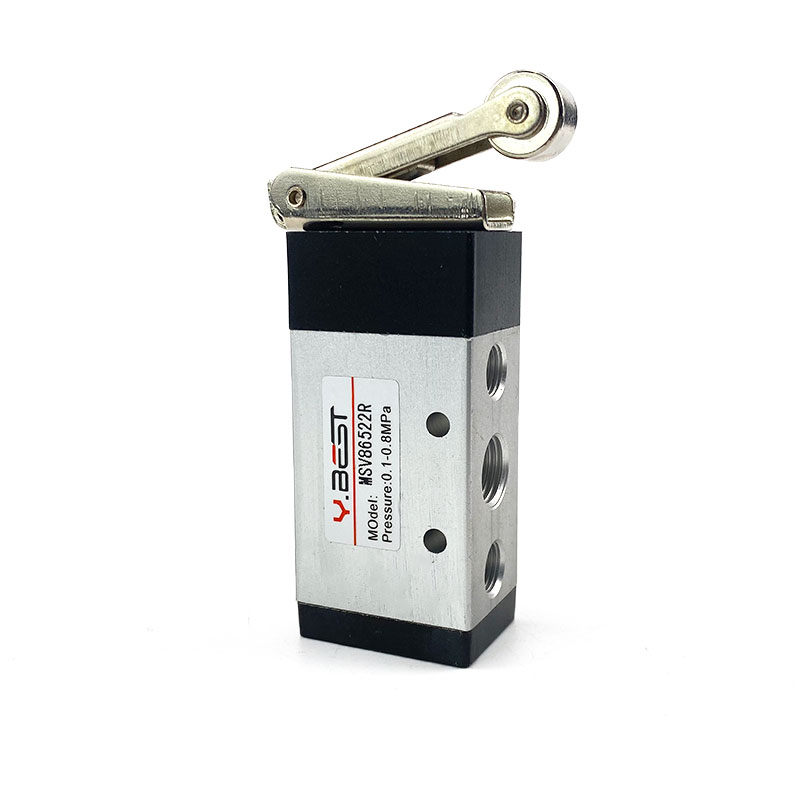
Adopting advanced processing technologies and processes
Adopting advanced processing technologies and processes can improve processing efficiency, reduce production costs, and enhance product quality. For example, numerical control processing equipment can be used to improve processing accuracy and efficiency; advanced heat treatment processes can be adopted to enhance the strength and toughness of materials; and advanced surface treatment processes can be used to improve the corrosion resistance and aesthetics of materials.
Establishing a sound quality management system
Establishing a sound quality management system can ensure that every link of the valve body processing procedures is carried out in accordance with the specified standards and procedures, thereby ensuring the stability and reliability of the valve body processing procedures.
Summary
Reasonably arranging the processing procedures of mechanical valve bodies can improve production efficiency, ensure product quality, reduce production costs, and enhance the competitiveness of enterprises. Therefore, enterprises should fully consider aspects such as formulating production plans, optimizing process sequences, configuring production equipment, adopting advanced processing technologies and processes, and establishing a sound quality management system to ensure the smooth progress of valve body processing procedures.