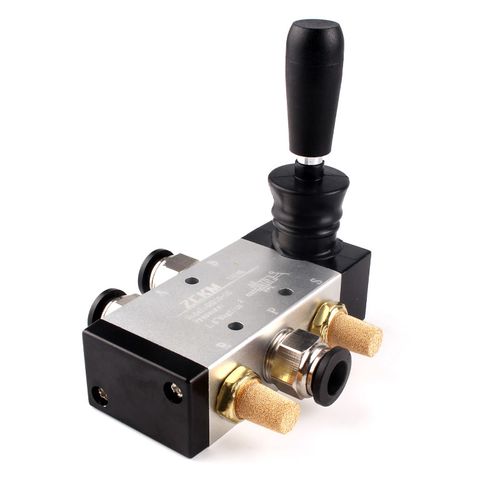
The regulating valve plays a crucial role in industrial automation systems, changing the flow area through the displacement of the valve core to achieve precise control of fluid flow. This control technology is widely used in various scenarios that require precise flow control, such as chemical, pharmaceutical, food processing, electricity, and water treatment. This article will delve into the working principle of the regulating valve and its application in flow control.
Working principle of regulating valve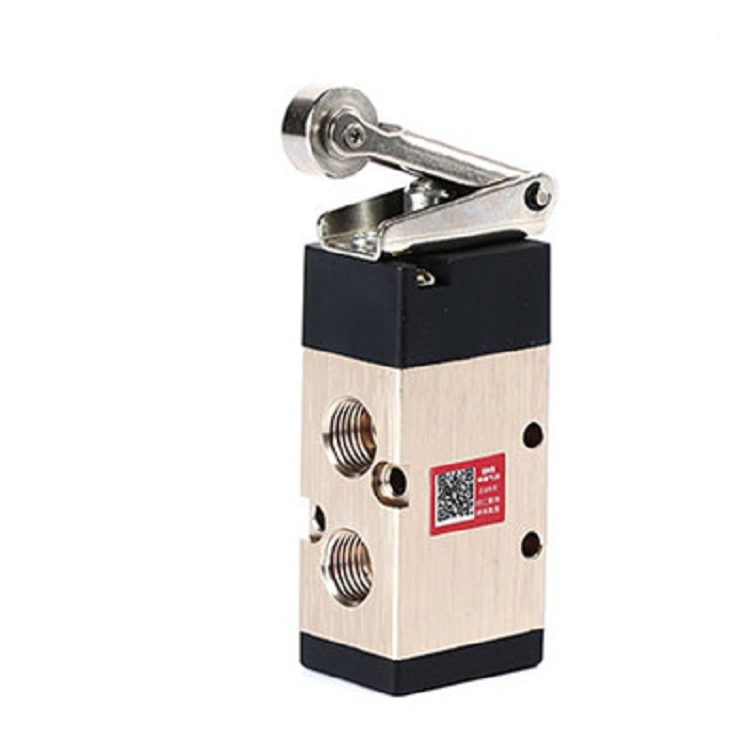
The regulating valve is a device that controls fluid flow by changing the flow area. Its core component is the valve core, which is located inside the valve body and changes the flow area between the valve core and the valve seat by the up and down movement of the valve rod. When the valve rod moves up, the flow area of the valve core decreases, reducing the flow rate of the fluid; conversely, when the valve rod moves down, the flow area of the valve core increases, increasing the flow rate of the fluid. This process of changing the flow area through the displacement of the valve core achieves precise control of fluid flow.
The importance of flow control
In the industrial production process, precise control of fluid flow is crucial for ensuring product quality, improving production efficiency, and saving resources. For example, in chemical production, precise control of the flow of reactants can ensure the smooth progress of the reaction process, improve the purity and yield of the product; in the pharmaceutical industry, precise control of the flow of drug solutions can ensure accurate drug proportioning, ensure the safety and effectiveness of medicines; in food processing, precise control of fluid flow can ensure the quality and taste of food.
Application scenarios of regulating valves
The application scenarios of regulating valves are very extensive, mainly including:
Chemical industry: Used for precise control of the flow of reaction substances to ensure stable reaction conditions.
Pharmaceutical industry: Used for precise control of the flow of drug solutions to ensure accurate drug proportioning and improve the quality of medicines.
Food processing: Used for precise control of the flow of various fluids in the production process to ensure the quality and taste of food.
Electric power industry: Used for precise control of the flow of cooling water, lubricating oil and other fluids to improve equipment operation efficiency.
Water treatment: Used for precise control of water flow to ensure water quality meets standard requirements.
Conclusion
The regulating valve changes the flow area through the displacement of the valve core, achieving precise control of fluid flow. This technology plays a vital role in many industrial fields, ensuring the stability of the production process and product quality. With the development of technology, the design of regulating valves is increasingly focusing on intelligence and automation, which will bring more innovation and optimization possibilities to industrial production in the future.