
The reasonable control method of pouring temperature for mechanical valve castings
In modern industrial production, castings are an indispensable and important component. The casting of mechanical valves is an important part of mechanical valves, and its performance directly affects the working condition and service life of mechanical valves. The pouring temperature of castings is one of the key factors affecting the quality of castings. A reasonable pouring temperature can not only improve the strength and hardness of castings but also reduce the occurrence of defects, ensuring the normal operation of mechanical valves. Therefore, the reasonable control of pouring temperature is of great significance to the production of mechanical valve castings.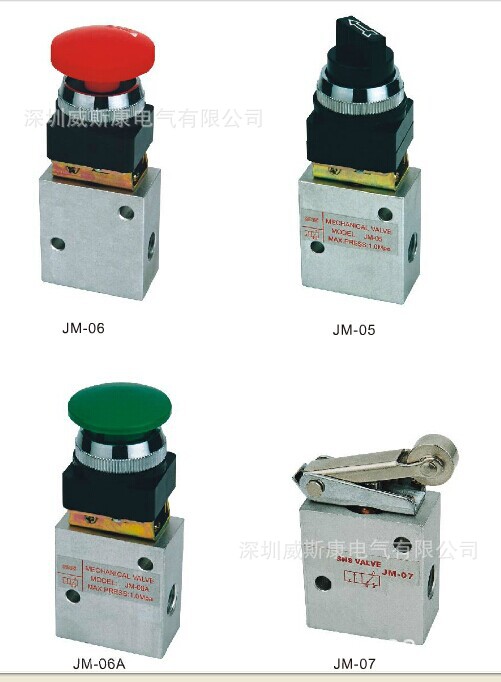
Definition of pouring temperature for mechanical valve castings
Pouring temperature refers to the temperature of the metal liquid when injected into the mold. The high or low pouring temperature of the casting will directly affect the internal microstructure, mechanical properties, dimensional accuracy, and surface quality of the casting. A reasonable pouring temperature can not only ensure the performance of the casting but also improve production efficiency and reduce production costs.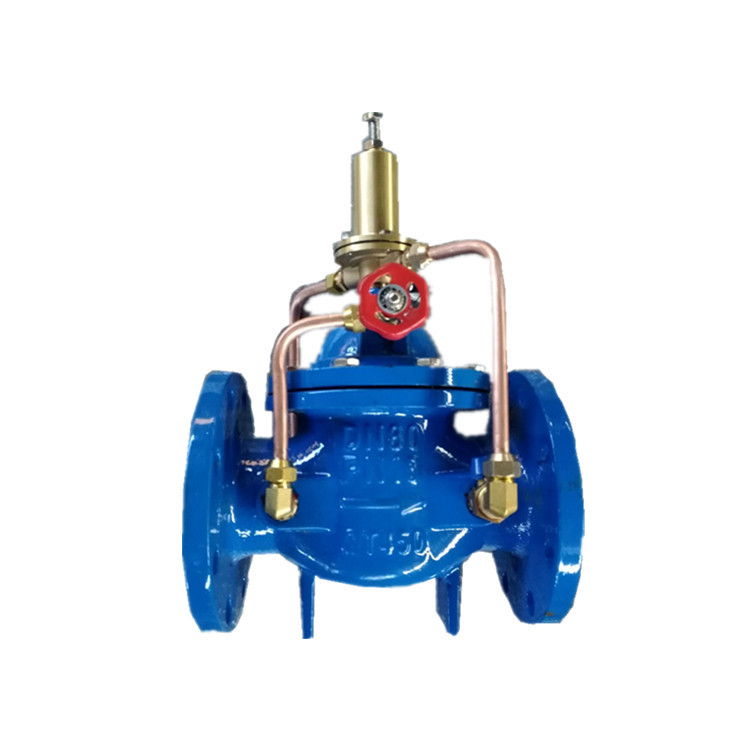
Factors affecting pouring temperature
Properties of the casting material: The type, composition, and state of the casting material will affect the pouring temperature. For example, the pouring temperature of carbon steel is generally higher than that of alloy steel because the alloying elements in alloy steel can raise its melting point.
Size and shape of the casting: The size and shape of the casting will affect its internal cooling speed, thereby affecting the pouring temperature. For example, large castings need a higher pouring temperature to ensure the uniformity of their internal organization.
Cooling methods of the casting: Different cooling methods will affect the cooling speed of the casting, which in turn affects the pouring temperature. For example, castings using water cooling need a higher pouring temperature to ensure the uniformity of their internal organization.
Structural characteristics of the casting: The structural characteristics of the casting will also affect the pouring temperature. For example, the wall thickness, holes, and pouring position of the casting will affect its cooling speed and internal organization.
Reasonable control methods of pouring temperature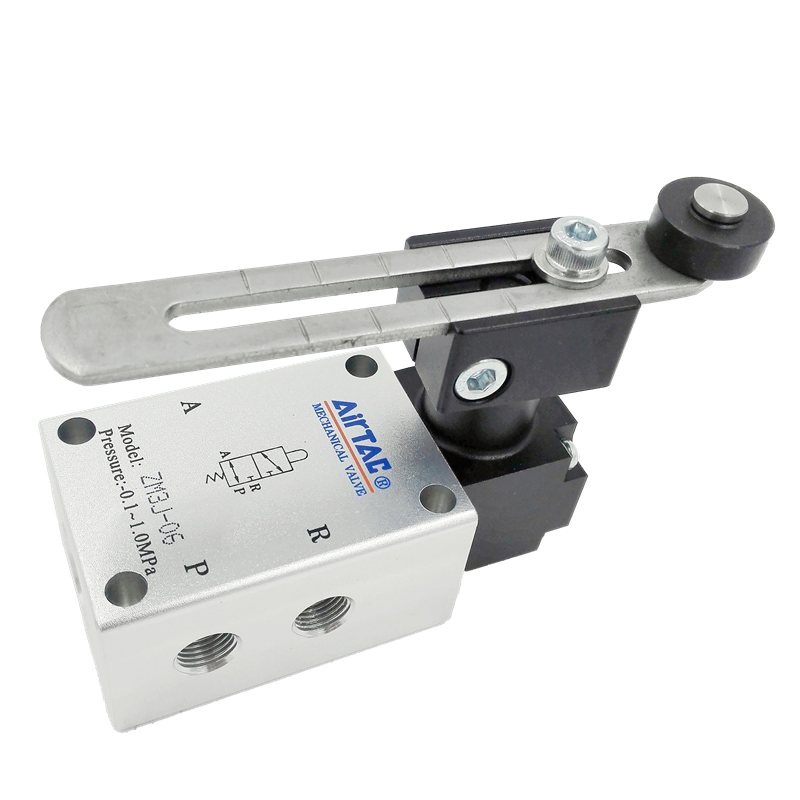
Selecting an appropriate pouring temperature: Select an appropriate pouring temperature according to the material, size, shape, and structural characteristics of the casting. Generally speaking, the pouring temperature of the casting should be 100-200℃ lower than its solidus temperature to ensure the uniformity of the internal organization.
Optimizing pouring system design: Optimizing the design of the pouring system can increase the cooling speed and internal organization uniformity of the casting. For example, using multi-point pouring can increase the cooling speed of the casting, thereby reducing the pouring temperature.
Using reasonable cooling methods: Using reasonable cooling methods can increase the cooling speed of the casting, thereby reducing the pouring temperature. For example, using water cooling can increase the cooling speed of the casting, thereby reducing the pouring temperature.
Controlling pouring speed: Controlling the pouring speed can increase the cooling speed of the casting, thereby reducing the pouring temperature. For example, using slow pouring can increase the cooling speed of the casting, thereby reducing the pouring temperature.
Using appropriate cooling media: Using appropriate cooling media can increase the cooling speed of the casting, thereby reducing the pouring temperature. For example, using cooling liquid can increase the cooling speed of the casting, thereby reducing the pouring temperature.
In summary, a reasonable pouring temperature has an important impact on the quality and performance of mechanical valve castings. Therefore, during the production process, appropriate pouring temperature should be selected according to the material, size, shape, and structural characteristics of the casting, and measures such as optimized pouring system design, reasonable cooling methods, controlled pouring speed, and appropriate cooling media should be adopted to ensure the quality and performance of the casting.