
In modern industrial automation and intelligent manufacturing systems, the accuracy of position control is one of the important indexes to measure the performance of equipment. Whether it is the positioning of robot arm, the cutting path of CNC machine tool or the flight trajectory of UAV, accurate position control plays a vital role. So, how can position control be so accurate? This paper will discuss the control principle, key technology and practical application.
First, the basic principle of position control
The core of position control is the closed-loop feedback system. A typical control system includes four parts: controller, actuator, sensor and controlled object. The sensor detects the current position in real time and feeds back the signal to the controller; The controller compares the feedback value with the set target value, calculates the deviation, and adjusts the output of the actuator according to the deviation, so as to continuously correct the position until the target position is reached. This closed-loop control method can effectively eliminate errors and improve control accuracy.
Commonly used control algorithms include proportional-integral-differential (PID) control, fuzzy control and adaptive control. Among them, PID control is widely used because of its simple structure, fast response and convenient adjustment.
Second, the key factors to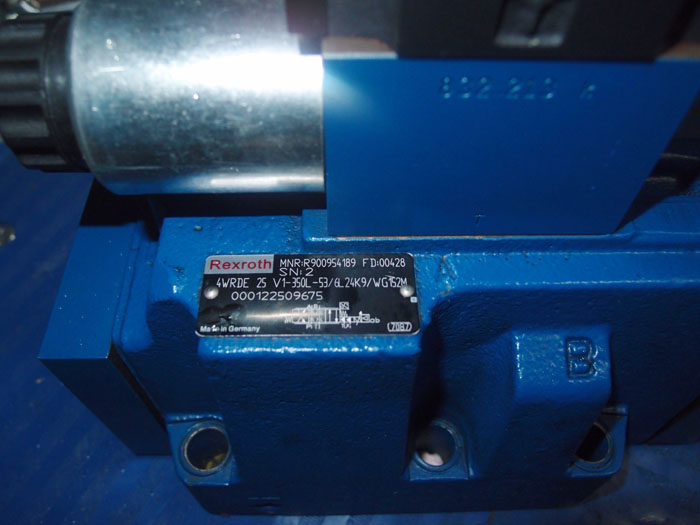 achieve high-precision position
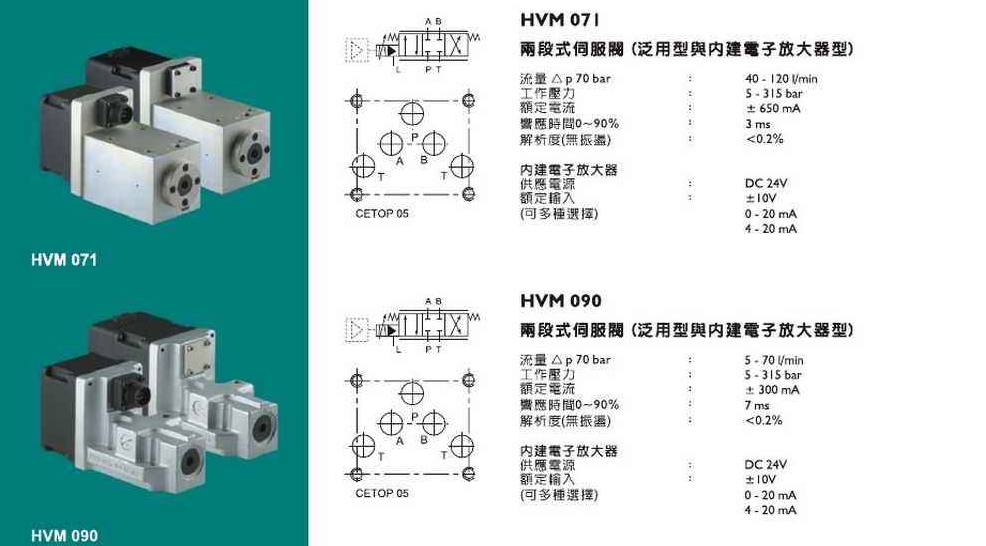 control
1. High quality sensor
Sensors are the basis of accurate control. High-resolution encoders, grating rulers or laser rangefinders can provide more accurate position feedback, thus improving the overall control accuracy.
2. High-performance actuator
The performance of actuators such as servo motor, stepping motor or linear driver directly affects the response speed and positioning accuracy of the system. Servo motor is widely used in high-precision occasions because of its closed-loop control and high-speed response ability.
3. Optimization of control algorithm
By optimizing the control algorithm, the steady state error and dynamic error of the system can be effectively reduced. For example, the introduction of feedforward control can improve the response speed, and the addition of adaptive algorithm can deal with the disturbance caused by load change.
4. Mechanical structure design
Precise mechanical transmission system (such as synchronous belt and ball screw) and good structural rigidity can reduce mechanical clearance and deformation, thus improving the positioning accuracy of the whole system.
Third, the practical application of position control
On the automatic production line, the multi-axis manipulator completes the assembly and welding work through high-precision position control; In semiconductor manufacturing, wafer handling system requires micro-level or even nano-level positioning accuracy; In medical equipment, accurate position control ensures the safety and reliability of surgical robots. In addition, position control technology also plays an indispensable role in aerospace, unmanned driving and other fields.
To sum up, the high accuracy of position control depends on the cooperative optimization of sensors, actuators, control algorithms and mechanical structures. With the development of artificial intelligence, Internet of Things and new materials, the future position control system will be more intelligent and efficient, further promoting the development of intelligent manufacturing and high-end equipment.