
First, optimize the structural design of the valve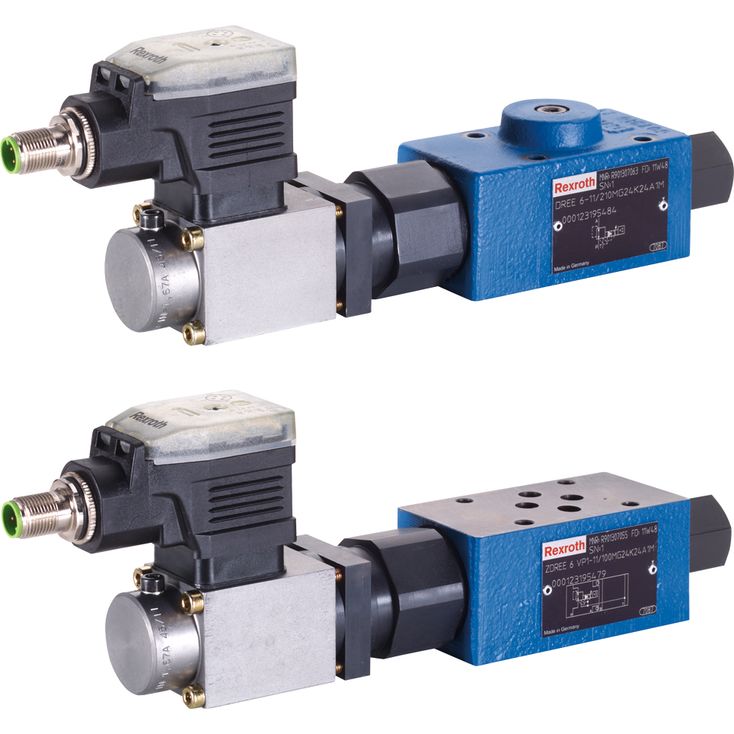 core
core
The accuracy of small flow servo valve is closely related to its structural design at first. By optimizing the shape of the valve core, the geometric size of the throttle and the guide structure, the nonlinearity of the flow gain can be effectively reduced and the repeatability and sensitivity of the control can be improved. For example, with the design of conical valve core or gradual throttle, more precise flow regulation can be realized at a small opening, and dead zones and hysteresis phenomena can be reduced.
Second, high-precision manufacturing and assembly process
Micron-level manufacturing accuracy is the basis to improve the control accuracy of servo valve. High-precision CNC machine tools are used to process key parts, and ultra-precision measurement technology is used to ensure that the fit clearance between the valve core and the valve sleeve is controlled within a very small range (usually within a few microns), thus reducing leakage, friction and response delay and improving dynamic performance.
Third, introduce advanced control algorithm
In the servo control system, the traditional PID control may have the problem of slow response or oscillation in the small flow control. By introducing advanced control algorithms, such as fuzzy control, adaptive control and feedforward control, the nonlinear factors of the system can be compensated in real time, and the response speed and steady-state accuracy can be improved. In addition, the combination of digital signal processor (DSP) and field programmable gate array (FPGA) to realize high-speed closed-loop control is also helpful to further improve the control accuracy of servo valve.
Fourth, improve the detection accuracy of the sensor
Accurate feedback signal is the key to achieve high precision control of servo valve. Under the condition of small flow, pressure sensor and flow sensor with high resolution and low noise should be adopted, and temperature compensation and linearization should be carried out to ensure the accuracy of feedback signal. The high-precision sensing system can monitor the system state in real time and provide reliable data support for the controller.
Five, improve the fluid medium conditions
The cleanliness and stability of the fluid will also affect the control accuracy of the servo valve. Trace particles may block the throttle, resulting in flow fluctuation. Therefore, high-precision oil filters should be used and oil cleanliness should be maintained regularly. At the same time, control the working temperature to avoid the flow error caused by viscosity change.
Sixth, the combination of simulation and experimental verification
In the design stage, CFD (computational fluid dynamics) is used to simulate and analyze the internal flow characteristics of the servo valve, which is helpful to find the defects in the structural design in advance. After simulation and optimization, the prototype test can significantly shorten the research and development cycle and improve the design success rate.
tag
To sum up, improving the control accuracy of small flow servo valve is a systematic project, involving structural design, manufacturing technology, control strategy, sensing technology and many other aspects. With the development of intelligent manufacturing and precision control technology, the servo valve will develop in the direction of higher integration and intelligence in the future, so as to better meet the market demand of high precision control.