
Proportional servo valve is a kind of high-precision control element widely used in industrial automation and hydraulic control system. Its core function is to accurately control the pressure, flow or direction in the hydraulic system through the input electrical signal. Compared with the traditional hydraulic valve, the proportional servo valve has the advantages of fast response speed, high control accuracy and continuous adjustment, and it plays an irreplaceable role, especially in the occasions that need dynamic adjustment and closed-loop control, such as construction machinery, metallurgical equipment, aerospace and other fields.
In practical application, the pressure adjustment process of proportional servo valve mainly depends on its internal structure design and the cooperation of electronic control system. The following will introduce in detail how the proportional servo valve adjusts the pressure from its working principle, adjustment method and matters needing attention.
First, the working principle
The basic structure of proportional servo valve includes electromagnetic proportional coil, pilot valve, main valve core and feedback device. When an electrical signal (usually 0 ~ 20ma or 4 ~ 20ma) is input, the current will generate corresponding electromagnetic force through the electromagnetic coil to push the pilot spool to move, thus controlling the displacement of the main spool. The position of the main spool determines the flow and pressure output of hydraulic oil. Because of the built-in feedback system (such as displacement sensor or pressure sensor), closed-loop control can be realized, so that the output pressure can accurately follow the change of input signal.
Second, the method of adjusting pressure
1. Set the input signal range
The proportional servo valve usually sets the target pressure by outputting analog signals through PLC or controller. For example, a current signal of 4 ~ 20 mA can correspond to a pressure range of 0 ~ 10 MPa. According to the actual demand, the operator adjusts the size of the input signal, thus changing the position of the valve core and realizing the accurate control of the system pressure.
2. PID parameter adjustment
In the closed-loop control system, PID algorithm is often used to adjust the pressure. By adjusting the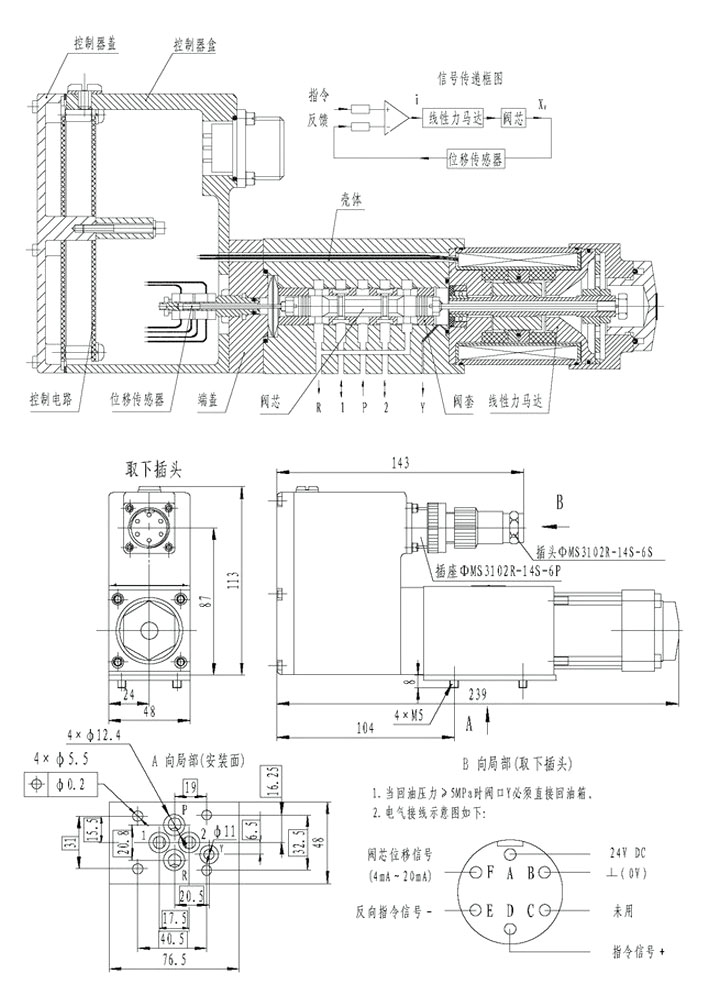 three parameters of proportion (P), integral (I) and differential (D), the response speed and stability of the system can be optimized, overshoot or oscillation can be avoided, and the system can run stably near the set pressure value.
3. Manual adjustment mode
Some proportional servo valves also support manual adjustment mode, which can directly control the position of the valve core by changing the input voltage or current through a knob or an external regulator, thus adjusting the output pressure. This method is suitable for debugging stage or emergency operation.
Third, matters needing attention
1. The system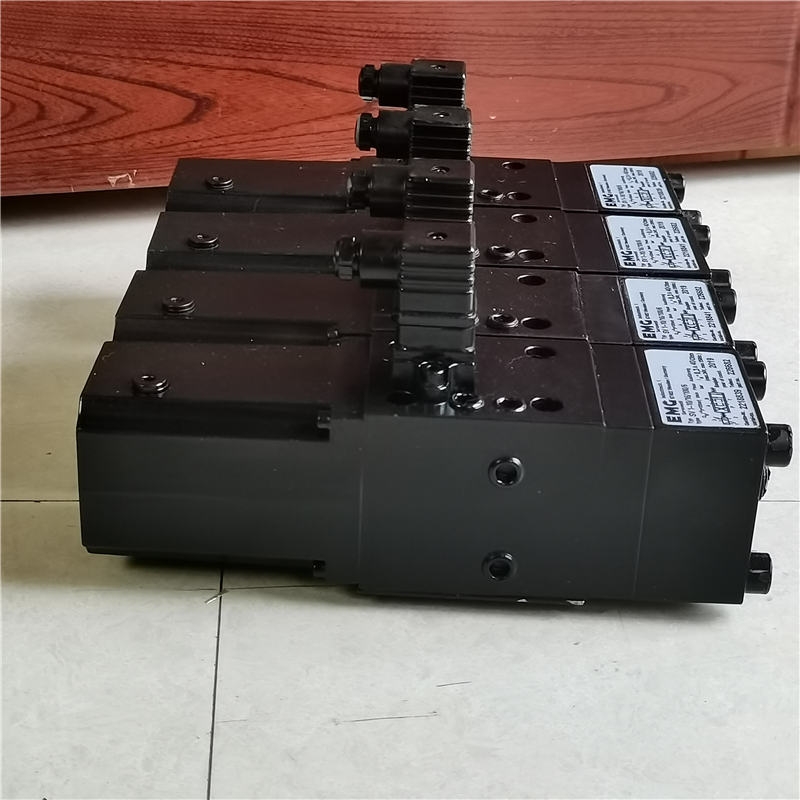 requires high cleanliness.
The internal structure of proportional servo valve is precise, which requires high cleanliness of hydraulic oil. If the oil contains impurities, it is easy to cause the valve core to be stuck or slow to respond, which will affect the pressure regulation accuracy.
2. Regular maintenance and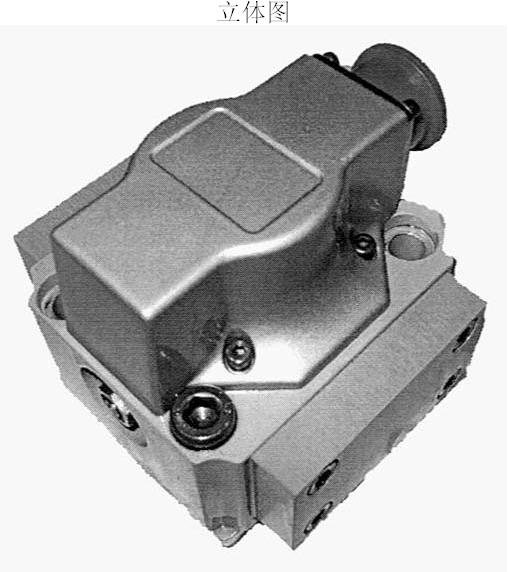 calibration
In order to ensure the long-term stability of pressure regulation accuracy, the proportional servo valve should be cleaned, lubricated and calibrated regularly, especially the feedback components such as sensors, which should be ensured to work normally.
3. Prevent electromagnetic interference
Because the proportional servo valve is controlled by electric signal, shielding measures should be taken to prevent electromagnetic interference from affecting the stability of the control signal.
tag
As a key component in modern hydraulic control system, proportional servo valve’s pressure adjustment function depends not only on its precise mechanical structure design, but also on the support of advanced electronic control technology. By setting the input signal reasonably and cooperating with PID control algorithm, the system pressure can be adjusted efficiently and stably. In the process of use, attention should also be paid to the cleaning and maintenance of the system to prolong the service life of the equipment and improve the control accuracy. With the continuous improvement of industrial automation level, the application prospect of proportional servo valve in various hydraulic systems will be broader.