
With the development of industrial intelligence, Digital Twin technology has been widely used in the field of high-end equipment. As the core control element in hydraulic system, the performance of servo valve directly affects the response speed, control accuracy and reliability of the system. Constructing digital twin model of servo valve can not only realize real-time monitoring and prediction of its running state, but also provide strong support for fault diagnosis, optimal design and intelligent control.
First, the basic concept of digital twinning of servo valve
Digital twinning of servo valve refers to constructing a virtual model with the same height as the actual servo valve through physical model, sensor data and simulation technology. The model can reflect the running state of servo valve in real time and keep synchronization with its physical entity. The core of digital twinning lies in “virtual-real interaction”, that is, through the two-way flow of data, the dynamic mapping and feedback control of physical systems are realized.
Second, the construction steps of digital twinning of servo valve
1. Physical modeling
Firstly, it is necessary to establish the physical model of the servo valve, including its structural parameters, material properties, hydrodynamic characteristics and so on. Usually, multi-body dynamics and fluid dynamics simulation software (such as ANSYS, AMESim, MATLAB/Simulink) are used for modeling to ensure that the model can accurately reflect the behavior of the servo valve under different working conditions.
2. Sensor deployment and data acquisition
Install high-precision sensors on the actual servo valve to collect key parameters such as pressure, flow, temperature, displacement and current. These data will be used to drive the operation of digital twin model and realize state monitoring and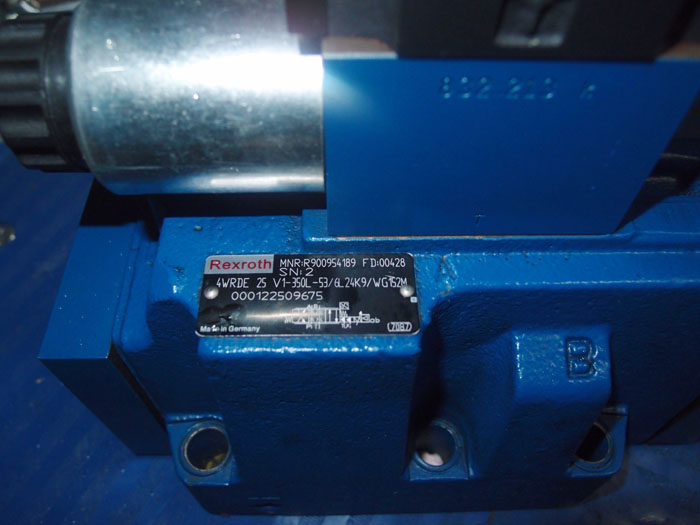 feedback correction.
3. Communication and data integration
Through the industrial Internet of Things (IIoT) technology, the sensor data is transmitted to the central processing system in real time. Communication protocols such as OPC UA and MQTT are adopted to ensure the real-time and reliability of data transmission. At the same time, edge computing or cloud computing platform is used for data preprocessing and feature extraction.
4. Virtual simulation and model updating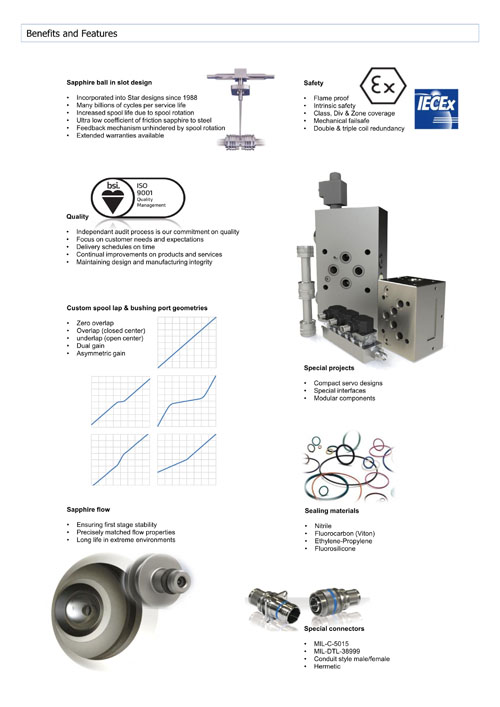
The simulation model of servo valve is run in digital space, and the parameters of the model are constantly revised in combination with real-time data to improve the accuracy and adaptability of the model. Through machine learning algorithms (such as neural network and support vector machine), the self-learning and adaptive ability of the model is realized.
5. Visualization and decision support
With the help of three-dimensional visualization platform, the running state, health index and fault early warning information of servo valve are displayed intuitively. Combined with expert system or artificial intelligence algorithm, it provides fault diagnosis, life prediction and maintenance suggestions to assist engineers in making decisions.
III. Key technical challenges
-Multi-physical field coupling modeling: The servo valve involves the coupling of mechanical, hydraulic, electrical and other physical fields, and the modeling complexity is high.
-High-precision data acquisition: the problems of sensor accuracy, installation position and data synchronization need to be solved.
-Real-time and computational efficiency: The model is required to have high computational efficiency while ensuring accuracy.
-Model updating and adaptation: How to dynamically adjust model parameters according to operation data is still a difficult point.
Fourth, the application prospect
Digital twin technology of servo valve has shown great potential in aerospace, intelligent manufacturing, rail transit and other fields. For example, in aircraft hydraulic system, remote monitoring and fault prediction of servo valve state can be realized through digital twinning,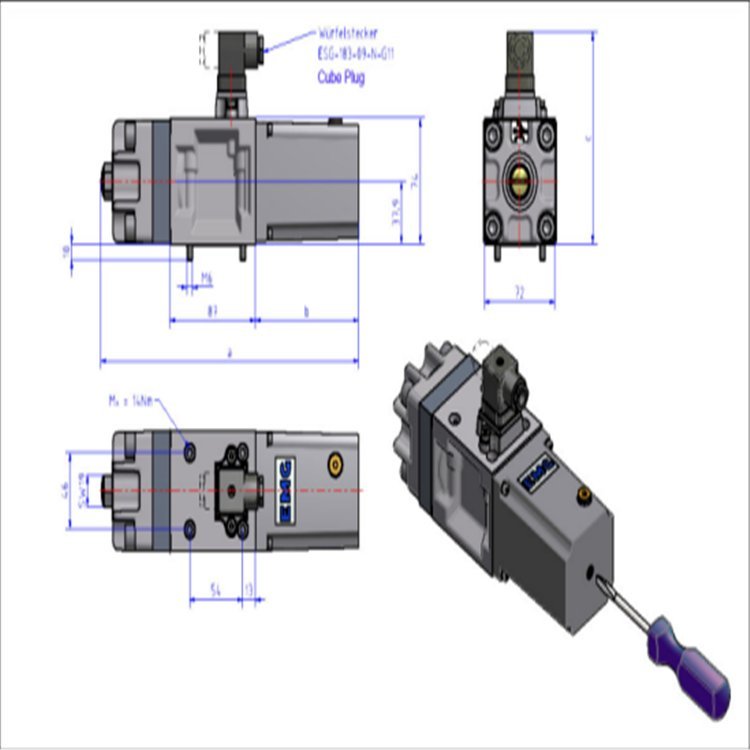 which improves flight safety; In wind power equipment, it is helpful to optimize the control strategy of hydraulic pitch control system and improve power generation
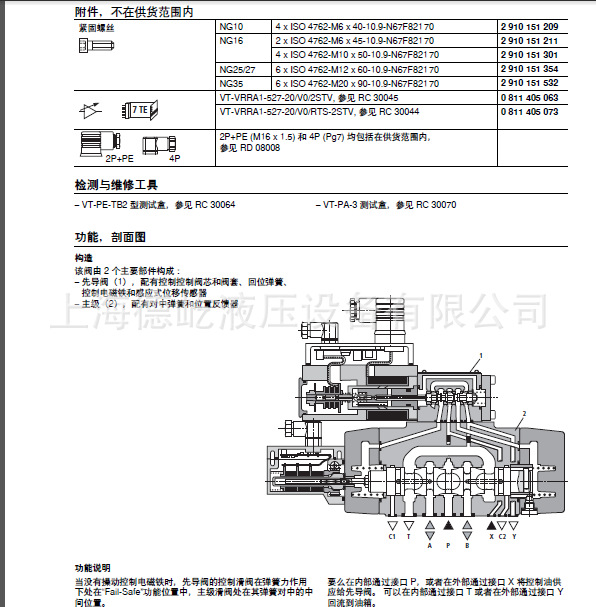 efficiency.
In the future, with the further integration of AI, big data and 5G technology, digital twinning of servo valves will develop in the direction of higher precision, stronger intelligence and wider application, and become an important supporting technology to promote the intelligence of high-end equipment manufacturing.