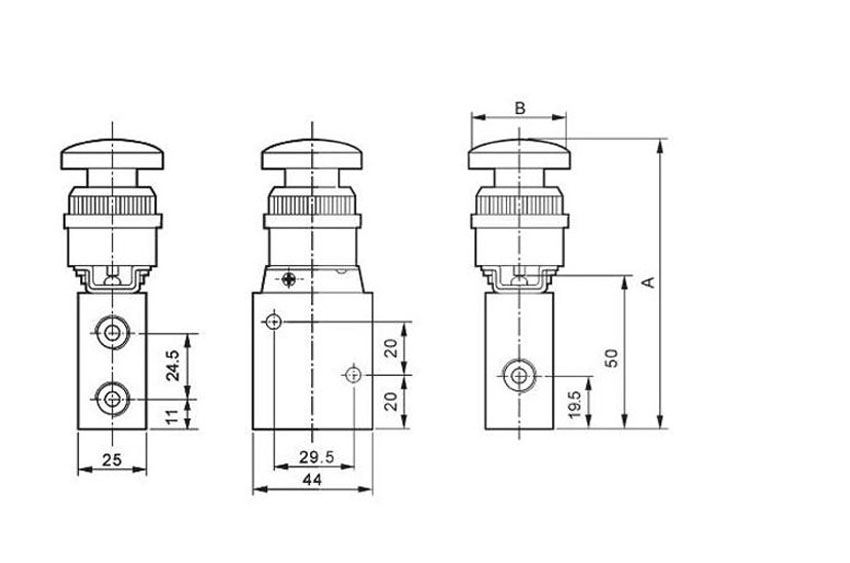
Inspection of copper alloy casting defects in mechanical valves after repair
Introduction:
In the production and manufacturing process of mechanical valves, the quality of copper alloy castings is crucial. Casting defects such as pores, inclusions, cold shuts, shrinkage porosity, and cracks not only affect the performance of mechanical valves but may also cause serious safety hazards. In order to ensure the quality of copper alloy castings, it is necessary to repair casting defects and then carry out inspections. This article discusses the inspection methods after the repair of casting defects in copper alloy castings of mechanical valves.
Casting defect repair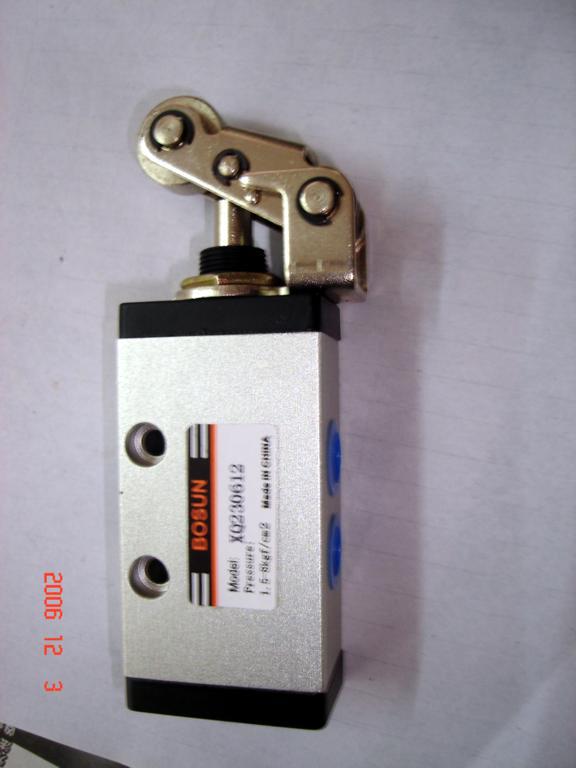
During the casting process of copper alloy castings, casting defects often occur due to casting technology, raw materials, and other factors. The occurrence of these defects often leads to a decrease in the strength, corrosion resistance, and fatigue resistance of copper alloy castings. For the repair of casting defects, different repair methods should be adopted according to the specific type and severity of the defects. For example, for pores and inclusions, welding or patching can be used for repair; for cold shuts and shrinkage porosity, welding, patching, and shrinkage compensation methods can be used; for cracks, welding, patching, and patching methods are usually required for repair.
Inspection after casting defect repair
After the repair of casting defects, a series of inspections must be carried out to ensure the effectiveness of the repair. The main inspection methods include:
Radiographic inspection: Radiographic inspection is one of the most commonly used methods for detecting internal defects in copper alloy castings. It can detect defects such as pores, inclusions, and cracks, but the detection effect for shrinkage porosity is poor. Therefore, before radiographic inspection, it is necessary to perform shrinkage compensation treatment on the copper alloy casting.
Magnetic particle inspection: Magnetic particle inspection is mainly used to detect surface cracks and inclusions in copper alloy castings. It can detect surface defects in copper alloy castings, but the detection effect for internal defects is poor.
Eddy current inspection: Eddy current inspection is mainly used to detect surface defects on copper alloy castings, such as cracks and inclusions. For internal defects such as pores and shrinkage porosity, the detection effect is poor.
Hydrostatic test: Hydrostatic test is mainly used to detect the strength and sealing property of copper alloy castings. It can detect cracks, inclusions, and other defects in copper alloy castings, but the detection effect for internal defects such as pores and shrinkage porosity is poor.
Metallographic inspection: Metallographic inspection is mainly used to detect internal defects in copper alloy castings, such as pores, inclusions, shrinkage porosity, etc. It can accurately detect internal defects in copper alloy castings, but it requires professional metallographic inspection equipment and personnel.
Conclusion
For the inspection of casting defects in copper alloy mechanical valve parts after repair, it is necessary to select appropriate inspection methods according to the specific type and severity of the defects. Through scientific and reasonable inspection, the quality of the repaired copper alloy casting can be ensured, thereby guaranteeing the performance and safety of the mechanical valve.