
Anti-rust treatment measures after sand removal of mechanical valve castings
One, Introduction
During the production process of mechanical valve castings, after the casting is sand cast, it is inevitable that sand particles will adhere to the surface of the casting, which is what we usually call sand removal. The surface of the casting after sand removal may appear rusting phenomena, which not only affects the appearance of the casting but also reduces the service life and performance of the casting. Therefore, it is particularly important to carry out anti-rust treatment on the castings after sand removal. This article will discuss in detail the anti-rust treatment measures after sand removal of mechanical valve castings.
Second, anti-rust treatment measures after sand removal of mechanical valve castings
Surface pretreatment: It is very important to perform surface pretreatment on the casting surface before anti-rust treatment. Firstly, perform pre-treatment such as degreasing and rust removal on the casting surface to remove oil stains, rust spots, and other impurities to ensure the cleanliness of the casting surface. Secondly, perform polishing treatment to remove burrs, sand particles, and other impurities on the surface to improve the flatness of the casting surface. Finally, clean the casting to ensure that there are no residual oil stains, rust spots, and other impurities on the surface.
Application of anti-rust primer: Anti-rust primer can effectively prevent the oxidation and rusting of castings in the air. Firstly, select the appropriate anti-rust primer according to the material and purpose of the casting, and then prepare the anti-rust primer according to the instructions. Next, after cleaning the surface of the casting, apply the anti-rust primer evenly. Finally, after the anti-rust primer is completely dried, a layer of anti-rust primer film forms on the surface of the casting, which can effectively prevent the casting from rusting.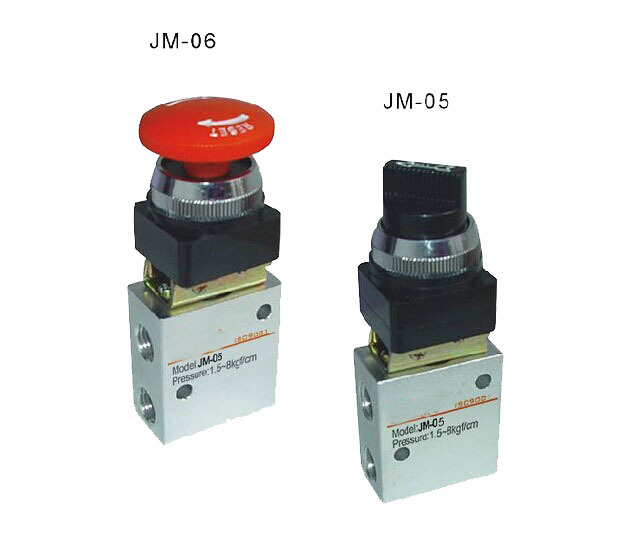
Application of anti-rust topcoat: Anti-rust topcoat can further improve the anti-rust performance of the casting and extend its service life. Firstly, select the appropriate anti-rust topcoat and then prepare the anti-rust topcoat according to the instructions. Next, after cleaning the surface of the casting, apply the anti-rust topcoat evenly. Finally, after the anti-rust topcoat is completely dried, a layer of anti-rust topcoat film forms on the surface of the casting, which can effectively prevent the casting from rusting.
Electroplating anti-rust: Electroplating is an effective anti-rust method. Firstly, clean the surface of the casting and perform pre-treatment before electroplating. Then, place the casting into the electroplating tank and apply electricity for electroplating. Finally, after the electroplating is completed, a layer of anti-rust plating forms on the surface of the casting, which can effectively prevent the casting from rusting.
Application of anti-rust oil: Anti-rust oil can effectively prevent the oxidation and rusting of castings in the air. Firstly, select the appropriate anti-rust oil and then prepare the anti-rust oil according to the instructions. Next, after cleaning the surface of the casting, apply the anti-rust oil evenly. Finally, after the anti-rust oil is completely dried, a layer of anti-rust oil film forms on the surface of the casting, which can effectively prevent the casting from rusting.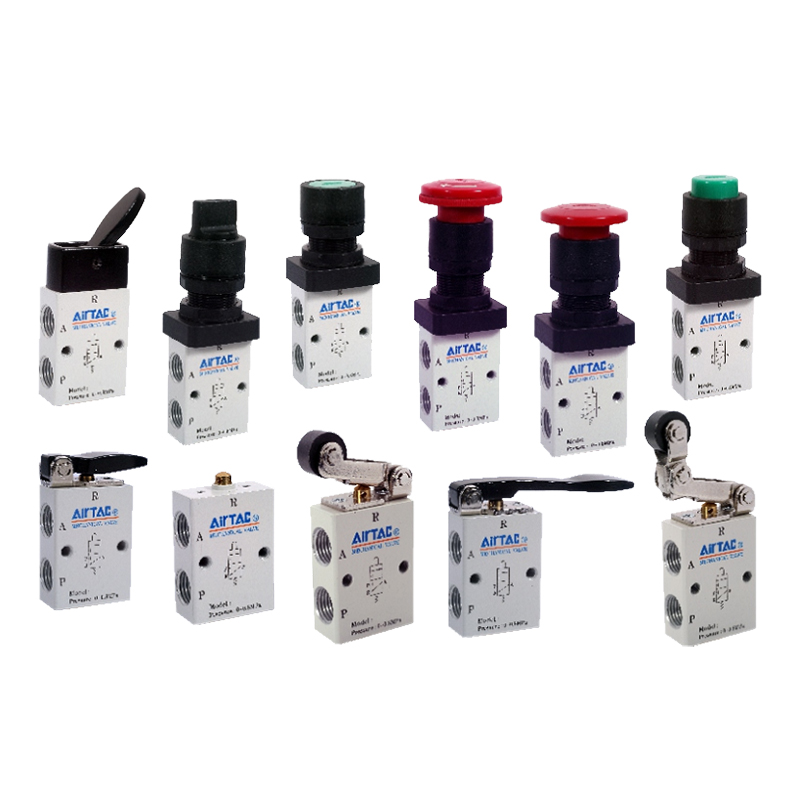 @@@@@@@@@@@@@@@@@@@@@@
Three, Conclusion
In summary, the anti-rust treatment measures after sand removal of mechanical valve castings mainly include surface pretreatment, application of anti-rust primer, application of anti-rust topcoat, electroplating anti-rust, and application of anti-rust oil. These anti-rust treatment measures can effectively prevent the oxidation and rusting of castings in the air, extending the service life of the castings. At the same time, these anti-rust treatment measures can also improve the aesthetics and performance of the castings.