
In the modern ship navigation control system, the steering gear, as the key actuator, is responsible for adjusting the steering angle according to the steering instructions, so as to control the ship’s course. The servo valve is one of the core components in the hydraulic system of steering gear, and its function is to accurately control the flow and direction of hydraulic oil, thus driving the rudder blade to act. Therefore, it is of great significance to understand how the steering gear drives the servo valve for mastering the working principle of the ship steering system.
First, the composition of the steering gear system
A typical hydraulic steering gear system is mainly composed of steering gear (such as steering wheel or autopilot on the bridge), feedback device, servo valve, main oil pump, hydraulic cylinder, tiller and rudder blade. Among them, the servo valve, as the control element of the hydraulic system, plays a connecting role. It adjusts the flow direction and flow rate of hydraulic oil according to the electrical signal or mechanical signal sent by the control system, and then controls the deflection angle of the rudder blade.
Second, the basic principle of servo valve
Servo valve is a high-precision hydraulic control valve, which can adjust the output hydraulic flow and pressure proportionally according to the input signal (usually current or voltage signal). In ship steering gear, the servo valve is usually an electro-hydraulic servo valve or a multi-way directional control valve. Its working process is: the control system converts the steering command into an electrical signal, which is input to the electromagnetic coil inside the servo valve. The magnetic force generated by the electromagnetic coil changes the position of the valve core, thus opening or closing the corresponding oil circuit, controlling the amount and direction of oil entering the two chambers of the hydraulic cylinder, and finally realizing the accurate control of the steering angle.
Third, the process of steering gear driving servo valve
1. Command input stage: The crew sends steering instructions by operating the steering wheel or autopilot system on the bridge.
2. Signal conversion stage: the control system converts mechanical or electrical signals into analog signals or digital signals that can be recognized by the servo valve.
3. Servo valve response stage: After receiving the signal, the servo valve quickly adjusts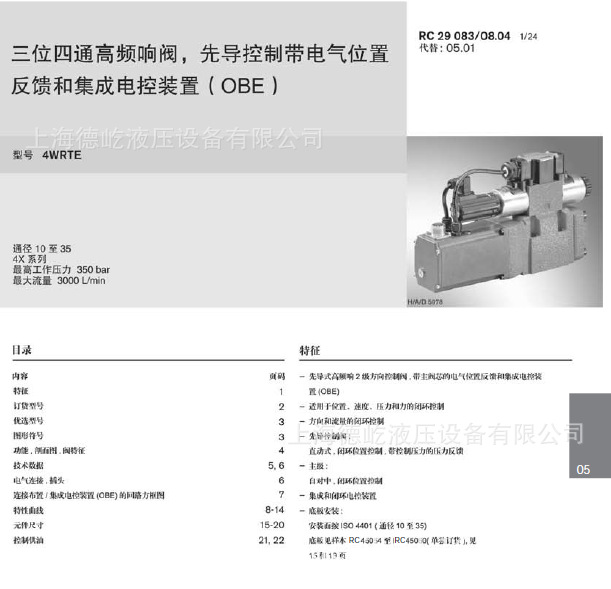 the position of the internal
 valve core to control the flow of hydraulic oil to different cavities of the hydraulic cylinder.
4. Hydraulic execution stage: the hydraulic cylinder pushes the tiller according to the change of oil pressure to drive the rudder blade to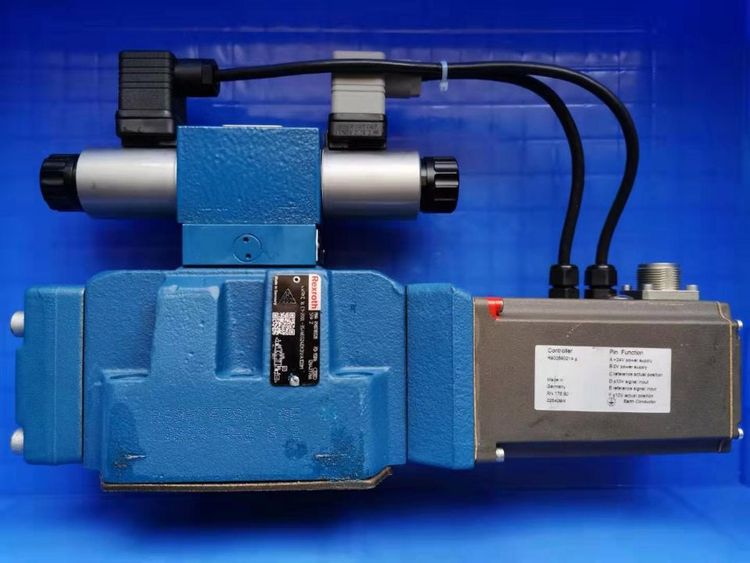 deflect to the target angle.
5. Feedback correction stage: feed back the actual position of the rudder blade to the control system through the angle sensor, compare it with the target angle, and continue to adjust the servo valve if there is any deviation until the set rudder angle is reached.
Fourth, the importance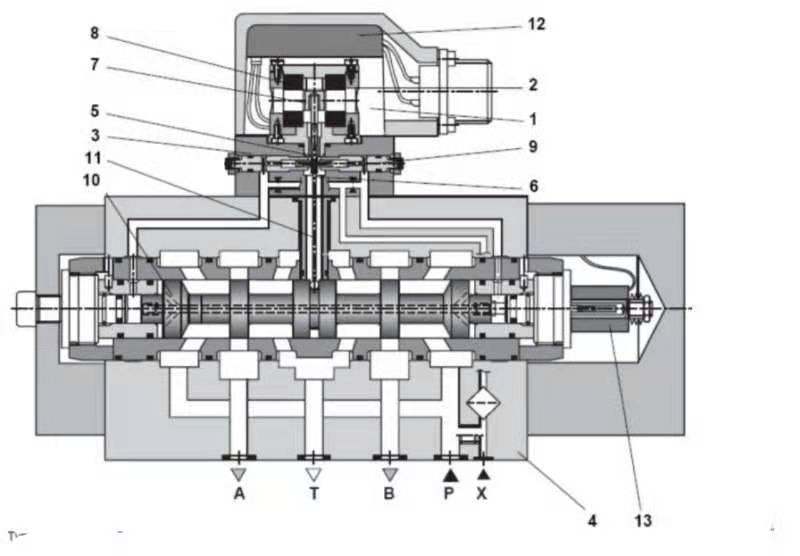 of servo valve in steering gear system
Because the servo valve directly controls the flow direction and flow rate of hydraulic oil, its response speed, control accuracy and stability directly affect the performance of the steering gear system. High-quality servo valve can realize millisecond response and ensure the rapid adjustment of rudder angle; At the same time, it has good anti-pollution ability and can run stably in complex ship environment for a long time. In addition, the servo valve also supports remote control and automatic operation, and is an important basic component to realize intelligent navigation of ships.
V. Summary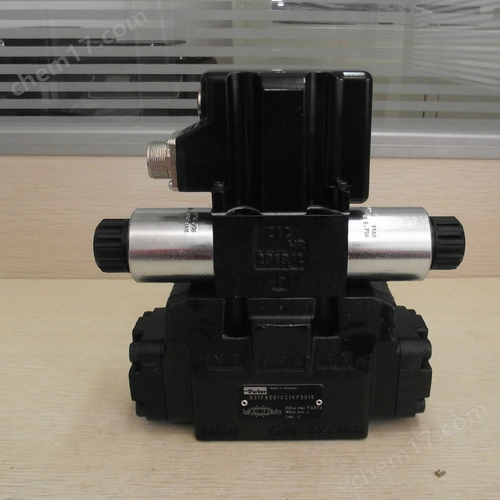
To sum up, the steering gear converts the steering command into the action signal of the servo valve through the control system, and the servo valve accurately adjusts the pressure and flow of hydraulic oil, thus driving the rudder blade to deflect. In the whole process, servo valve, as a bridge between brain and actuator, plays a vital role. With the continuous improvement of ship automation level, the technology of servo valve is also improving, and it is developing in the direction of higher precision, higher reliability and stronger adaptability, which provides a solid guarantee for the safe navigation of modern ships.