
The influence of the forging process of the mechanical valve body on its performance
I. Introduction
The valve body is one of the key components of the mechanical valve, and its performance directly affects the overall working efficiency and service life of the valve. The performance of the valve body is closely related to the forging process during the manufacturing process. The forging process refers to the plastic deformation of the metal billet by forging hammers, presses, and other mechanical tools to obtain parts with the required shape and size. The forging process has a crucial impact on the performance of the valve body, including mechanical properties, dimensional accuracy, surface quality, machining accuracy, and heat treatment effects.
II. The influence of forging technology on the mechanical properties of the valve body
The mechanical properties of the valve body mainly include strength, hardness, toughness, fatigue strength, etc. The influence of the forging process on the mechanical properties of the valve body is mainly reflected in the following aspects:
The influence of forging technology on the strength of the valve body. The forging technology can improve the strength of the valve body. Through the forging process, the internal microstructure of the metal material can be improved, making it have better tensile strength, compressive strength, and shear strength, thereby enhancing the strength of the valve body. In addition, the forging process can also produce residual stress in the internal structure of the metal material, improve the fatigue resistance of the material, and thus enhance the fatigue strength of the valve body.
The influence of forging technology on the hardness of the valve body. Forging technology can improve the hardness of the valve body. Through forging technology, the internal microstructure of the metal material can be improved, making it have better hardness. In addition, forging technology can also cause residual stress in the internal structure of the metal material, improving the hardness of the material.
The influence of forging technology on the toughness of the valve body. Forging technology can improve the toughness of the valve body. Through forging technology, the internal microstructure of the metal material can be improved, making it have better toughness. In addition, forging technology can also cause residual stress in the internal structure of the metal material, improving the toughness of the material.
The influence of forging technology on the fatigue strength of the valve body. Forging technology can improve the fatigue strength of the valve body. Through forging technology, the internal microstructure of the metal material can be improved, making it have better fatigue strength. In addition, forging technology can also cause residual stress in the internal structure of the metal material, improving the fatigue strength of the material.
Three, The influence of forging technology on the dimensional accuracy of the valve body
The influence of forging technology on the dimensional accuracy of the valve body is mainly reflected in the following aspects: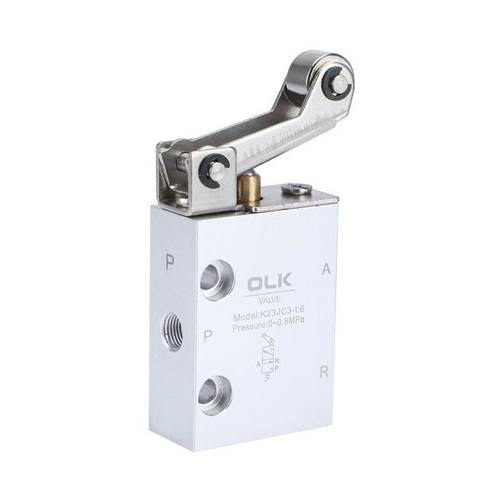
Forging technology can improve the dimensional accuracy of the valve body. Through forging technology, the internal microstructure of the metal material can be improved, making it have better dimensional accuracy. In addition, forging technology can also cause residual stress in the internal structure of the metal material, improving the dimensional accuracy of the material.
Forging technology can improve the surface accuracy of the valve body. Through forging technology, the surface quality of the metal material can be improved, making it have better surface accuracy. In addition, forging technology can also cause residual stress in the internal structure of the metal material, improving the surface accuracy of the material.
Forging technology can improve the processing accuracy of the valve body. Through forging technology, the internal microstructure of the metal material can be improved, making it have better processing accuracy. In addition, forging technology can also cause residual stress in the internal structure of the metal material, improving the processing accuracy of the material.
Four, The influence of forging technology on the surface quality of the valve body
The influence of forging technology on the surface quality of the valve body is mainly reflected in the following aspects:
Forging technology can improve the surface quality of the valve body. Through forging technology, the surface quality of the metal material can be improved, making it have better surface quality. In addition, forging technology can also cause residual stress in the internal structure of the metal material, improving the surface quality of the material.
Forging technology can improve the processing accuracy of the valve body. Through forging technology, the internal microstructure of the metal material can be improved, making it have better processing accuracy. In addition, forging technology can also cause residual stress in the internal structure of the metal material, improving the processing accuracy of the material.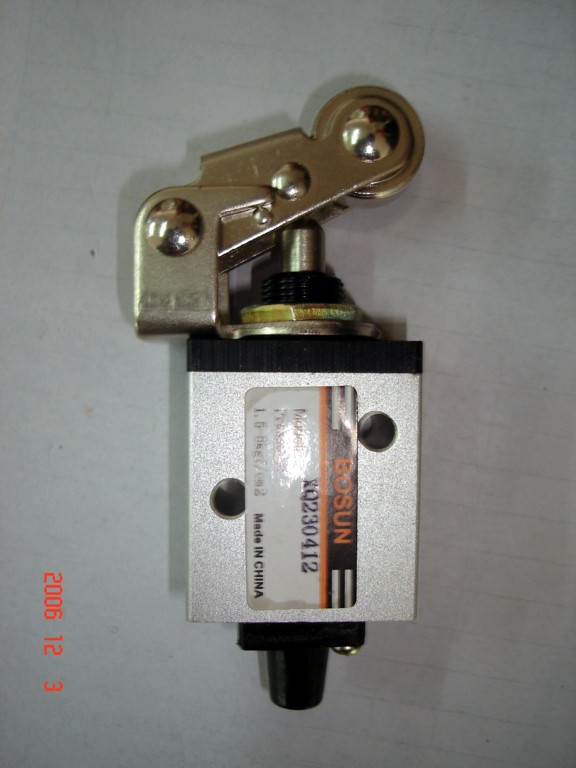
Forging technology can improve the heat treatment effect of the valve body. Through forging technology, the internal microstructure of the metal material can be improved, making it have better heat treatment effects. In addition, forging technology can also cause residual stress in the internal structure of the metal material, improving the heat treatment effect of the material.
Five, The influence of forging technology on the processing accuracy of the valve body
The influence of forging technology on the processing accuracy of the valve body is mainly reflected in the following aspects:
Forging technology can improve the processing accuracy of the valve body. Through forging technology, the internal microstructure of the metal material can be improved, making it have better processing accuracy. In addition, forging technology can also cause residual stress in the internal structure of the metal material, improving the processing accuracy of the material.
Forging technology can improve the heat treatment effect of the valve body. Through forging technology, the internal microstructure of the metal material can be improved, making it have better heat treatment effects. In addition, forging technology can also cause residual stress in the internal structure of the metal material, improving the heat treatment effect of the material.
Forging technology can improve the surface quality of the valve body. Through forging technology, the surface quality of the metal material can be improved, making it have better surface quality. In addition, forging technology can also cause residual stress in the internal structure of the metal material, improving the surface quality of the material.
Six, Conclusion
The influence of forging technology on the performance of the valve body is multi-faceted, including mechanical properties, dimensional accuracy, surface quality, processing accuracy, and heat treatment effects. Therefore, when designing the forging process of the valve body, it is necessary to fully consider these factors to ensure that the performance of the valve body meets the design requirements. At the same time, in order to improve the performance of the valve body, it is also necessary to continuously optimize the forging process and improve the level of forging technology.