
Planning of Cutting Path for Machining of Mechanical Valve Bodies
Machining of mechanical valve bodies is a complex and precise process, the core of which lies in how to plan a reasonable cutting path to ensure processing quality. Reasonable planning of the cutting path can not only improve processing efficiency but also ensure processing accuracy, avoid unnecessary losses, and optimize equipment use, reducing energy consumption.
Firstly, we need to clarify the type and requirements of the mechanical valve body processing. Different types of mechanical valve body processing require different cutting path planning. For example, for valve bodies that require precision processing, the planning of the cutting path needs to be more refined to ensure processing accuracy. For some rough processing valve bodies, the planning of the cutting path needs to be more coarse to improve processing efficiency.
Secondly, understanding the material and hardness of the mechanical valve body is also an important factor in planning the cutting path. Different materials and hardness of valve bodies require different cutting paths. For valve bodies with higher hardness, a more robust cutting path needs to be adopted to avoid rapid tool wear. For valve bodies with lower hardness, a more refined cutting path can be adopted to improve processing accuracy.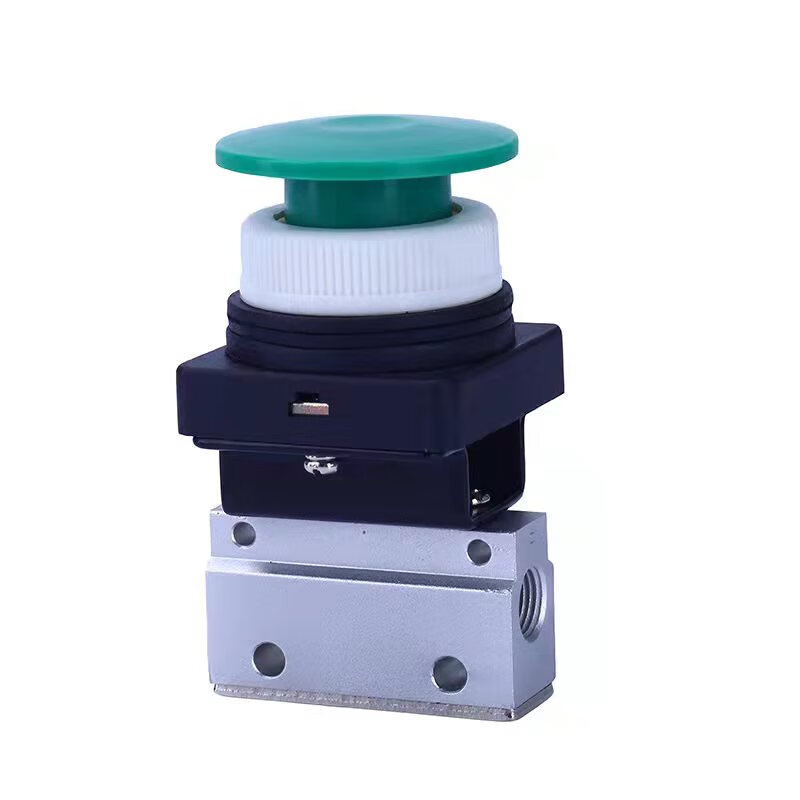 @@@@@@@@@@@@@@@@@@@@@@
In actual operation, the planning of the cutting path usually needs to be combined with CAM (Computer-Aided Manufacturing) software to complete. CAM software can provide a wealth of tool path selection and optimization functions to help users plan the best cutting path. In addition, it is also necessary to reasonably plan the movement trajectory of the tool according to the specific shape and size of the valve body to avoid collisions between the tool and the workpiece, while ensuring processing quality.
In actual operation, the planning of the cutting path also needs to consider the performance of the machine tool. The performance of the machine tool directly determines the planning of the cutting path. If the performance of the machine tool is good, a more refined cutting path can be adopted to improve processing accuracy. If the performance of the machine tool is poor, a more robust cutting path needs to be adopted to ensure processing quality.
In addition, the planning of the cutting path also needs to consider the processing sequence. Generally, the processing sequence should be from rough processing to finish processing, from the outer contour to the inner contour. This can avoid deformation caused by rough processing and ensure processing accuracy.
In summary, the planning of cutting path for the machining of mechanical valve bodies needs to consider a variety of factors, including the type of processing, material hardness, machine tool performance, and processing sequence. Only by reasonably planning the cutting path can the quality of mechanical valve body processing be guaranteed and the processing efficiency be improved.