
The principle of safety valves automatically opening and releasing excess pressure to protect system safety
In industrial production and daily life, the control of system pressure is crucial for ensuring the safety of equipment and personnel. In some specific situations, the pressure inside the equipment or system may exceed its normal working pressure due to various reasons. In such cases, if the pressure cannot be released in a timely and effective manner, it may lead to equipment failure, even causing personal injuries and property loss. At this point, safety valves play a vital role. A safety valve is a pressure control device that can automatically open and release pressure when the system pressure exceeds the set value, thereby protecting the system from overpressure damage.
The working principle of safety valves
The working principle of the safety valve is based on Pascal’s principle, that is, pressure is transmitted evenly in a closed liquid. When the internal pressure of the system exceeds the set pressure of the safety valve, the pressure of the liquid inside the system will be transmitted to the valve disc of the safety valve, causing the valve disc to rise under the pressure. When the valve disc rises to a certain position, the spring force on the valve disc and the friction force between the valve disc and the valve seat are insufficient to maintain the balance of the valve disc, and the valve disc will open. The high-pressure liquid inside the system is discharged through the opening part of the valve disc, the pressure is released, and thus the system is protected.
Chapter 2: Types of safety valves
According to the mode of opening, safety valves can be divided into lever type, spring type, and pulse type, etc. Lever type safety valves rely on the gravity of the lever and heavy hammer to overcome the pressure of the spring. When the system pressure reaches the set value, the heavy hammer will open the valve disc; spring type safety valves rely on the elasticity of the spring to overcome the gravity of the valve disc. When the system pressure reaches the set value, the elasticity of the spring will open the valve disc; pulse type safety valves rely on compressed air to push the valve disc open. When the system pressure reaches the set value, the compressed air will open the valve disc. According to whether the valve disc can automatically reset after opening, safety valves can be divided into closed type and open type. Closed type safety valves cannot reset after the valve disc is opened and require manual reset; open type safety valves can automatically reset after the valve disc is opened.
Chapter 3: Maintenance and inspection of safety valves
Maintenance and inspection of safety valves are crucial for ensuring their normal operation. Maintenance and inspection mainly include the following contents:
Regularly inspect the appearance of the safety valve to ensure there are no leaks, rust, or deformation.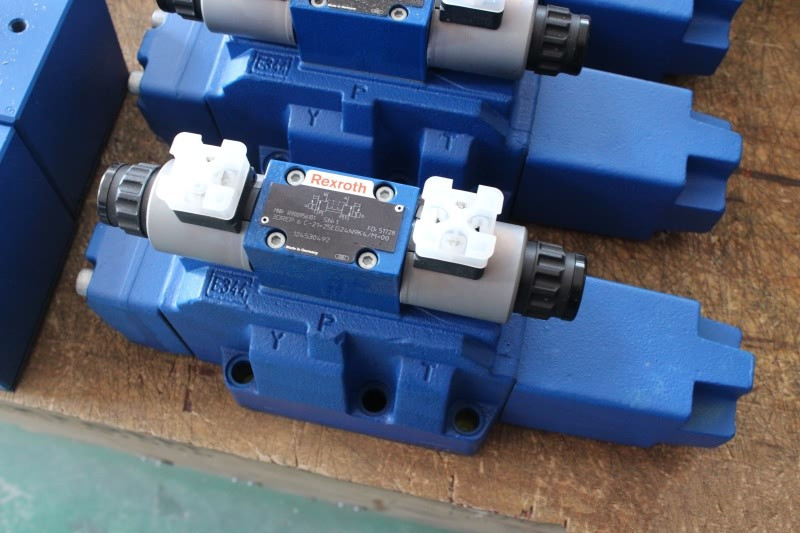
Inspect the lead seal of the safety valve to ensure there are no damages or displacement.
For closed type safety valves, regular manual reset should be conducted to ensure normal reset.
For open type safety valves, regular automatic reset tests should be conducted to ensure automatic reset.
For spring type safety valves, springs should be regularly replaced to ensure normal operation.
For lever type safety valves, regular inspections of the heavy and lever should be conducted to ensure there are no loosening or deformation.
For diaphragm type safety valves, regular inspections of the compressed air system should be conducted to ensure there are no leaks or blockages.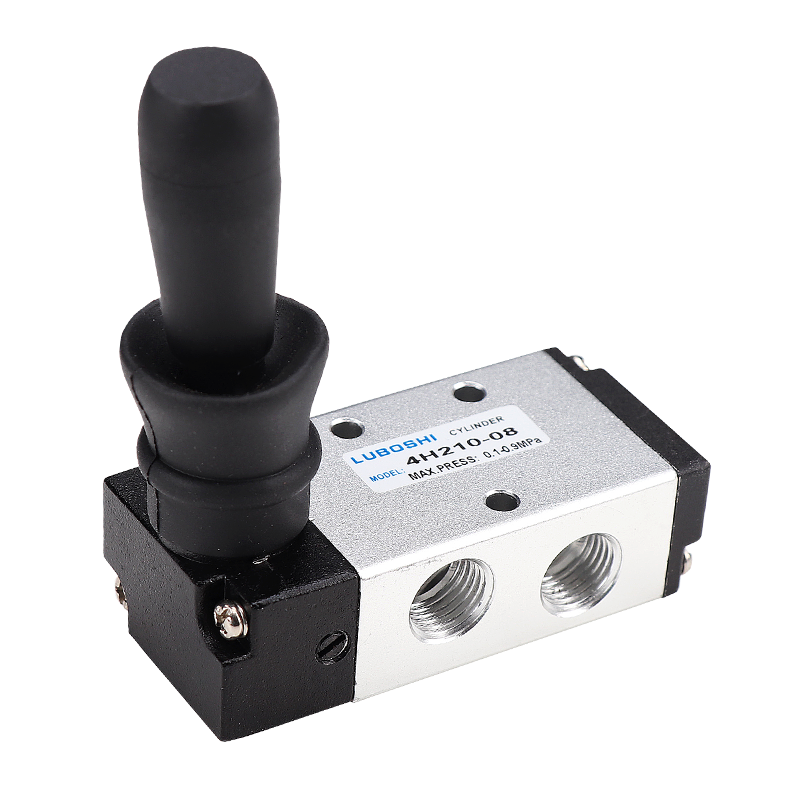
For all types of valves, regular pressure tests should be conducted to ensure that they can open and close normally.
Chapter 4: Application scenarios of safety valves
The safety valve is widely used in various fields such as petroleum, chemical industry, electricity, metallurgy, machinery, construction, ships, and aerospace. In these fields, the pressure control of equipment and systems is crucial; the safety valve can effectively prevent equipment and systems from failing due to overpressure and protect the safety of personnel and equipment. For example, in chemical production, the safety valve can prevent a high-pressure reactor from exploding due to overpressure; in power production, the safety valve can prevent a high-pressure steam pipeline from bursting due to overpressure; in mechanical manufacturing, the safety valve can prevent high-pressure equipment from being damaged due to overpressure.
In summary, as an important pressure control device, the working principle and maintenance methods of the safety valve are very important. Only by correctly understanding and mastering the working principle of the safety valve can it better play its role in protecting the safety of the system.