
In modern printing machinery, the synchronous control technology of servo valve is the key link to realize high precision and high speed printing. As the core control element in hydraulic system, the synchronization performance of servo valve directly affects the operation stability and product quality of printing equipment. This paper will focus on the theme of “how to synchronize the printing servo valve” and discuss its realization principle and key technology.
First, the role of servo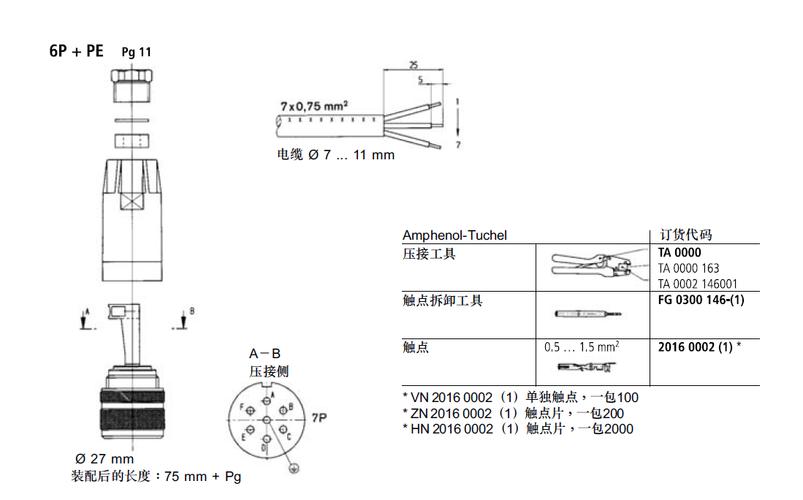 valve in printing equipment
Servo valve is mainly used to control the flow and pressure in the hydraulic system, and realize the precise movement of the actuator through high-precision feedback control. In printing machinery, such as gravure printing machines and flexographic printing machines, servo valves are widely used to adjust the displacement, pressure and speed of printing rollers to ensure the synchronization and coordination among printing units, thus ensuring the clarity and consistency of printed patterns.
Second, the importance of servo valve synchronization
In the process of multi-color printing, if there is speed or position deviation between printing units, it will lead to problems such as misregister and color difference, which will seriously affect the quality of finished products. Therefore, the synchronization of servo valve is very important. By accurately controlling the actions of each servo valve, the synchronous operation of each printing unit can be ensured, and high-precision color superposition and pattern matching can be realized.
Third, the realization of servo valve synchronization
1. Closed loop control technology
Servo valve usually forms a closed-loop control system with displacement sensor (such as grating ruler), pressure sensor and controller. By collecting the position and pressure signals of the actuator in real time and comparing them with the set values, the controller constantly adjusts the opening of the servo valve to achieve accurate synchronization.
2. Master-slave control strategy
In a multi-axis system, one shaft can be set as the main shaft and the rest as the slave shafts, and the synchronous signal is sent by the main shaft to drive the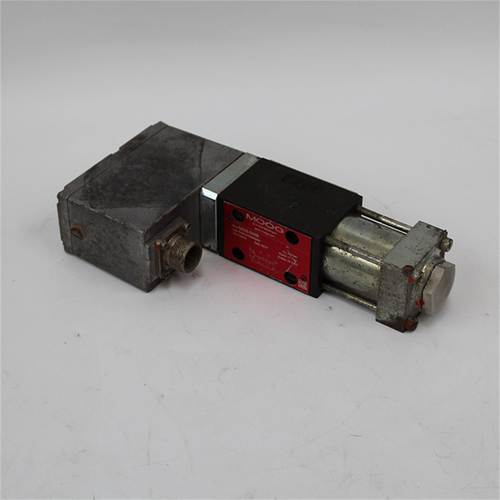 slave shaft to follow the main shaft, so as to ensure that the servo valves act in unison. This method has simple structure and fast response, and is suitable for most printing equipment.
3. Electronic gear and electronic cam technology
Modern printing equipment widely uses electronic gear and electronic cam technology for multi-axis synchronous control. In this way, the proportional relationship and motion trajectory of each axis are set by software, which realizes high-precision position synchronization and improves printing accuracy and efficiency.
4. CANopen or EtherCAT bus communication
Using high-speed fieldbus protocols (such as CANopen and EtherCAT) can realize high-speed data exchange among multiple servo valves, reduce signal delay and improve system synchronization performance.
Four, the factors affecting the synchronization performance of servo valve
-Response speed of the controller
-Accuracy and sampling frequency of the sensor
-Stiffness of hydraulic system and oil circuit design
-Dynamic response characteristics of the servo valve itself
-External disturbances such as load changes, temperature fluctuations, etc.
V. Optimization suggestions
In order to improve the synchronization performance of the servo valve, the following measures are suggested:
-Select servo valve with high response and precision;
-Optimizing control algorithm, such as adopting PID or more advanced control strategy;
-Strengthen the mechanical rigidity and hydraulic circuit design of the system;
-Conduct calibration and maintenance regularly to ensure the components are in good working condition.
tag
With the continuous improvement of production efficiency and printing quality requirements in printing industry, the synchronous control technology of servo valve is becoming more and more important. Through reasonable control strategy and advanced communication technology, the high-precision synchronous operation of multiple servo valves in printing equipment can be effectively realized, thus improving the performance and printing quality of the whole machine. In the future, with the development of intelligence and automation, the synchronous control of servo valve will continue to evolve in the direction of higher precision, stronger adaptability and smarter.