
As the core component of hydraulic control system, servo valve is widely used in industrial automation, aerospace, robot control and other fields. Its function is to convert tiny electrical signals into hydraulic energy output, so as to accurately control the movement of the actuator. In order to achieve high-precision control, servo valves usually need to have a good feedback mechanism to ensure that the system can sense the state of the valve in real time and adjust it. This paper will focus on the feedback mechanism and working principle of measuring servo valve.
First, the basic structure and working principle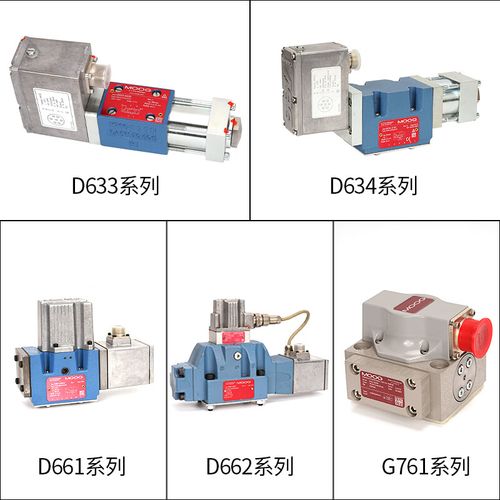 of servo valve
Servo valve is mainly composed of electromagnetic part, hydraulic amplification part and feedback mechanism. When the control system sends an electric signal, the electromagnetic part converts the signal into force or displacement, and drives the hydraulic amplification stage to control the flow and direction of hydraulic oil, thus driving the actuator to move. In order to realize closed-loop control, the servo valve must compare its actual output with the target value through the feedback mechanism and correct it according to the deviation.
Second, the type of servo valve feedback
The common feedback modes of servo valves mainly include the following:
1. Position Feedback (position feedback)
Position feedback is one of the most commonly used feedback methods. Usually, the actual position of the spool is measured by a displacement sensor (such as LVDT linear variable differential transformer) and the signal is fed back to the controller. After comparing the feedback signal with the set value, the controller adjusts the input signal to return the spool to the target position.
2. Force Feedback (Force feedback)
Force feedback is often used in nozzle flapper servo valve, and its principle is to feed back the output force of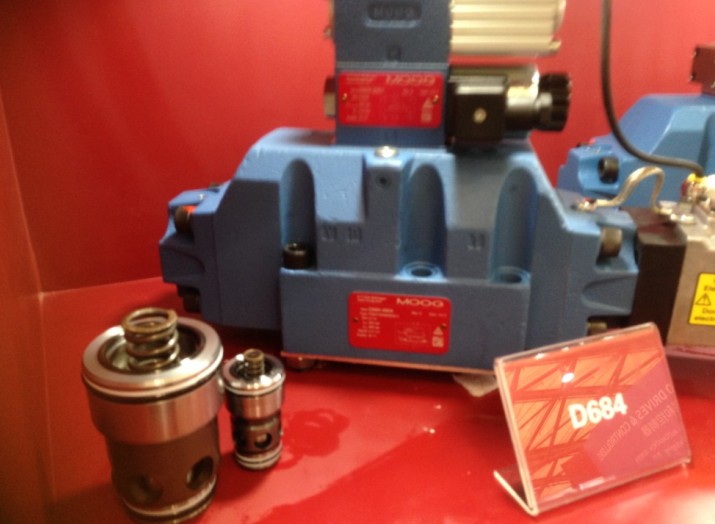 the valve core to the input end by using feedback spring to form a mechanical feedback loop. This method can effectively improve the stability and response speed of the system.
3. Pressure Feedback (pressure feedback)
In some systems, the working state of the valve will be judged by measuring the pressure difference between the inlet and outlet, and the valve will be adjusted accordingly. Pressure feedback is often used in situations where high dynamic response is needed.
4. Flow Feedback (flow feedback)
It is difficult to realize feedback control by measuring the output flow of the valve, but it has important application value in high-precision hydraulic system.
Third, the workflow of the feedback system
Taking position feedback as an example, the basic flow of closed-loop control of servo valve is as follows:
1. The controller sends out a target position signal;
2. The valve core moves to the corresponding position according to the input signal;
3. The displacement sensor measures the current position of the valve core;
4. The sensor feeds back the actual position signal to the controller;
5. The controller compares the set value with the feedback value to generate a deviation signal;
6. Adjust the input signal according to the deviation and drive the valve core again;
7. Cycle the above process until the valve core position reaches the set value.
This closed-loop feedbac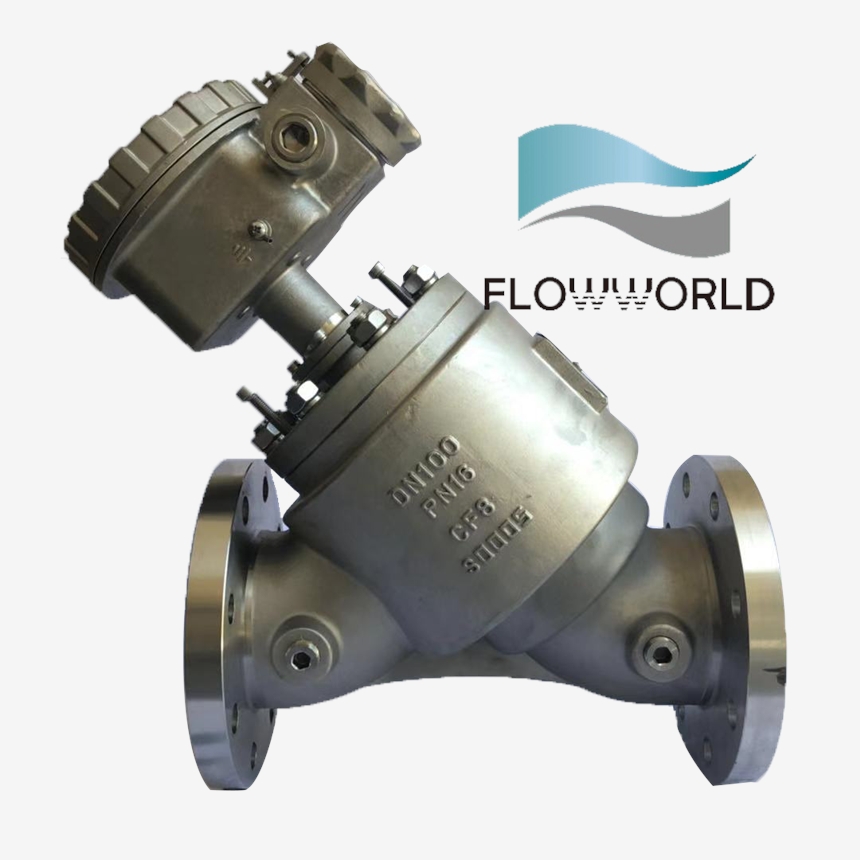 mechanism ensures that the servo valve can achieve high precision and fast response.
Fourth, the performance requirements of the feedback system
A good feedback system should have the following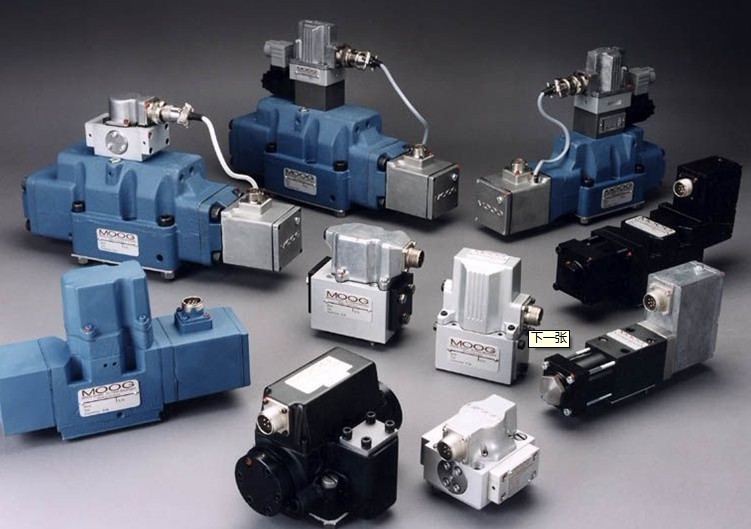 characteristics:
-High accuracy: the feedback signal must truly reflect the actual position of the spool or other parameters;
-Quick response: the feedback mechanism should be able to reflect system changes in time and avoid lag;
-Stability: prevent the system from oscillating due to feedback signal noise or delay;
-Reliability: the stability of the feedback signal can still be maintained under complex working conditions.
tag
To sum up, the feedback mechanism of servo valve is the key to realize high precision control. Through reasonable feedback design, the control performance of hydraulic system can be significantly improved. With the continuous progress of sensor technology and control algorithm, the future servo valve will achieve greater breakthroughs in feedback accuracy, response speed and system integration, and provide stronger technical support for high-end manufacturing and automation fields.